Can Dogs Eat Garlic? No, It Is Toxic. What to Do (2026)
Last updated: November 25, 2026
Veterinary reviewed by Dr Zahid Iqbal, DVM, MRCVS and Dr Fatih Bozbay, Veterinarian.
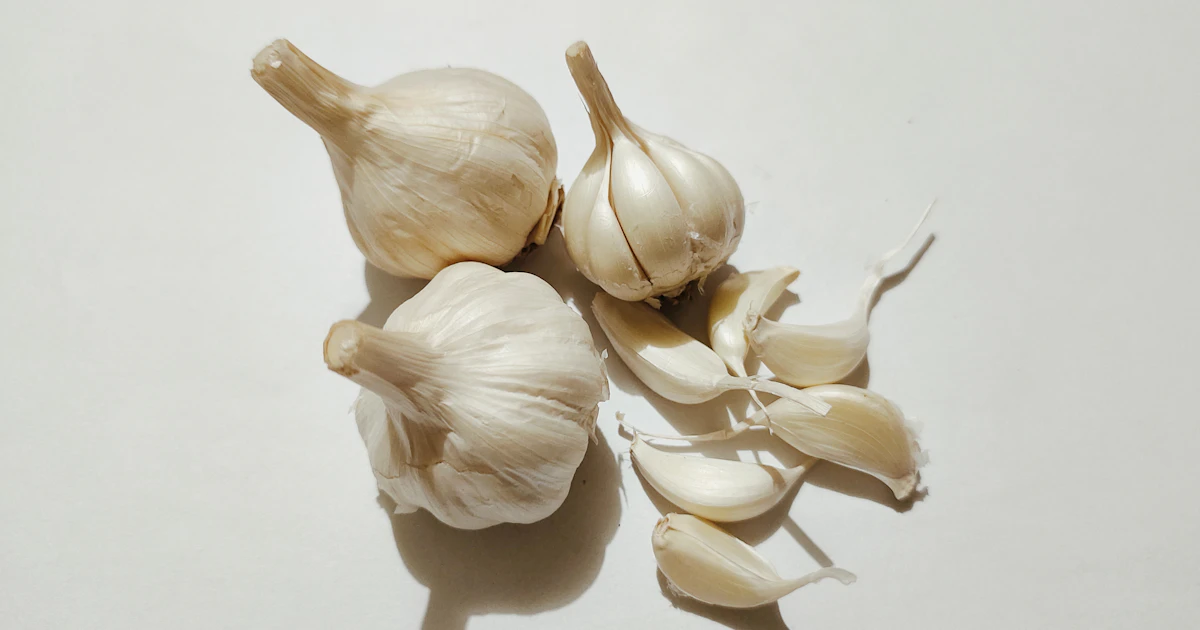
Photo by Surya Prakash on Unsplash
Garlic is in so many dishes that it can reach a dog without anyone noticing, from leftover pasta to a seasoned scrap off the counter. It is toxic to dogs in every form, whether raw, cooked, powdered or hidden in other food, and it damages red blood cells.
This guide explains why garlic is toxic, where it hides, how much is dangerous and which signs to watch for.
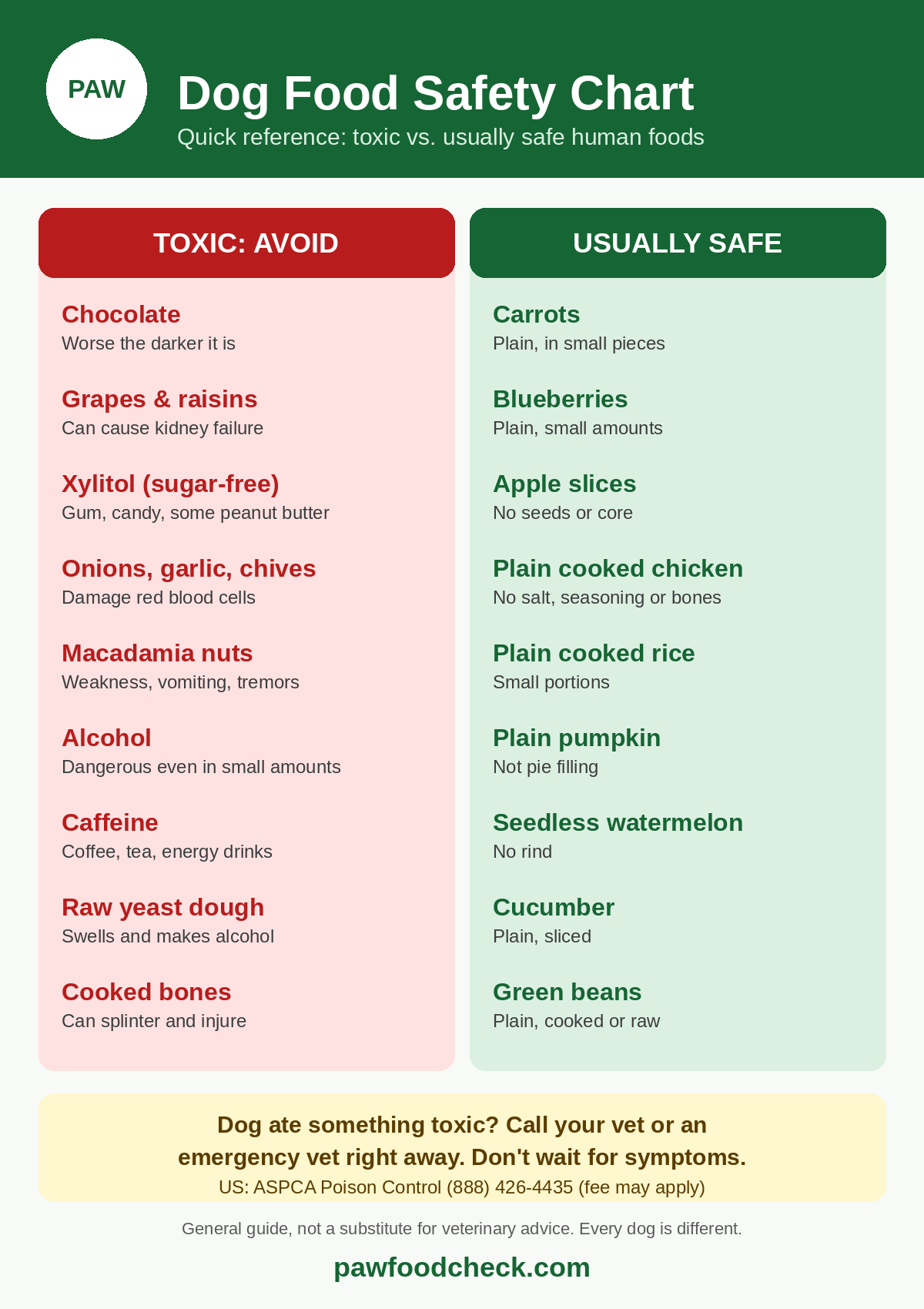
Quick answer: No. Garlic is toxic to dogs in every form: raw, cooked, powdered, in supplements or hidden in food. It damages red blood cells and can cause anemia. It is considered about five times more toxic than onion by weight. If your dog ate garlic, call your vet, the Pet Poison Helpline at 855-764-7661, or the ASPCA Animal Poison Control Center at 888-426-4435, even if your dog looks fine. A consultation fee may apply to the hotlines.
On this page:
- Why garlic is toxic to dogs
- Where garlic hides
- How much garlic is dangerous?
- Signs of garlic poisoning
- What to do if your dog ate garlic
- Garlic for fleas and as a supplement
- FAQ
Why garlic is toxic to dogs
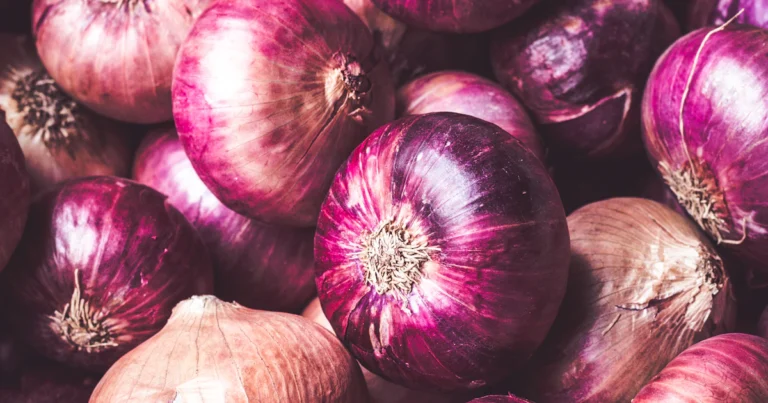
Garlic belongs to the Allium family along with onions, chives and leeks. These plants contain sulfur compounds that damage a dog’s red blood cells. When the damaged cells break apart faster than the body can replace them, the dog can become anemic, which means the blood carries less oxygen.
The AKC describes garlic as about five times more toxic than onion, so an equal weight of garlic poses a bigger risk. For the full story on the family, see our guide to onions and dogs.
Where garlic hides
Most garlic exposures are not a dog eating a whole clove. They come from food that was seasoned with it.
The delay is the dangerous part. A dog that seems fine on the day may still develop anemia a few days later, which is why you should call even if there are no signs.
| Form | Safe for dogs? | Note |
|---|---|---|
| Raw garlic cloves | No | The most obvious source. |
| Cooked or roasted garlic | No | Cooking does not make it safe. |
| Garlic powder, flakes and granules | No | Concentrated, so a small amount can matter, especially for a small dog. |
| Garlic bread, pizza crust, garlic naan | No | A small bite is less likely to cause serious harm, but call your vet for advice. |
| Sauces, gravy, soup and marinades | No | Often made with garlic and onion. |
| Seasoned meat, curry, biryani | No | Garlic and onion are common in spice mixes. |
| Garlic supplements and “natural” flea products | No | Concentrated, and not supported by good evidence. |
How much garlic is dangerous?
There is no reliable “safe amount,” and published figures vary a lot. The AKC says no exact garlic threshold is established and that even small amounts have caused poisoning in dogs of all sizes. Some veterinary sources suggest signs can begin at only a few grams per kilogram of body weight, while other articles quote much higher numbers from studies on onion or garlic extract. A garlic clove weighs about 5 g on average (PetMD).
Factors that raise the risk:
- Small body size. The same amount means more for a toy dog.
- Concentrated forms. Powders, flakes and extracts pack more of the toxic compounds into less volume.
- Repeated small amounts, which can add up over days.
- Breed and health. The AKC notes breeds such as Akitas and Shiba Inus may be more sensitive, and dogs with liver disease or anemia are at higher risk.
Because of this uncertainty, do not rely on a chart you found online to decide whether the amount was safe. Call a vet or poison hotline with your dog’s weight, what was eaten, how much and when.
Signs of garlic poisoning
| When | What you may see |
|---|---|
| Within a few hours | Mild stomach upset such as vomiting or diarrhea. |
| Two to five days later | Pale gums, weakness, tiring easily, fast breathing, dark or reddish urine. |
| Severe cases | Wobbly or uncoordinated movement, and bluish gums, tongue or skin. |
What to do if your dog ate garlic
- Remove any remaining garlic or food that contains it.
- Call your vet or a poison hotline right away: Pet Poison Helpline 855-764-7661 or ASPCA 888-426-4435.
- Have the details ready: your dog’s weight, what was eaten (clove, powder, bread, a dish), the amount and the time.
- Do not make your dog vomit at home unless a vet tells you to.
- Follow the vet’s advice. They may ask you to come in for an exam and blood tests.
- Go to an emergency clinic if you see pale gums, collapse, fast breathing or dark urine.
Treatment depends on how much was eaten and how unwell your dog is. A vet may make your dog vomit or give activated charcoal to limit absorption if the exposure was recent. Dogs with anemia may need to stay in the hospital for fluids and oxygen, and severe cases can need a blood transfusion.
Garlic for fleas and as a supplement
You may see claims online that garlic repels fleas, boosts immunity or helps with worms. Vets advise against it. The AKC points out that there is little research behind these claims, and that the amount needed to repel fleas often reaches or exceeds the level that can harm a dog. If you want flea protection, ask your vet about a proven preventative instead.
Some pet foods and treats may list garlic among the ingredients, usually in tiny amounts. If you are unsure, check the label and ask your vet whether it is suitable for your dog.
FAQ
Can dogs eat garlic bread?
No. Garlic bread contains garlic and often butter and oil. A single small bite is less likely to cause serious harm than a larger amount, but you should still contact a vet for advice.
Can dogs eat cooked garlic?
No. Cooking, roasting or baking does not remove the toxic compounds.
Is garlic powder worse than fresh garlic?
Powders and flakes are more concentrated, so a small sprinkle can matter more, particularly for small dogs.
How long after eating garlic do dogs show signs?
Stomach upset may appear within hours. Anemia signs such as pale gums and weakness usually show up two to five days later.
Is a little garlic in dog food okay?
Do not add garlic to your dog’s food yourself. If a commercial food lists garlic, ask your vet whether it is appropriate for your dog.
Can dogs recover from garlic poisoning?
Many dogs recover with prompt veterinary care. Severe anemia can be life-threatening, so early advice matters.
Are puppies and small dogs at higher risk from garlic?
Yes. The harmful dose depends on body weight, so the same amount of garlic is a bigger dose for a puppy or a small dog. Call your vet if a small dog or puppy eats any real amount, including garlic powder.
Bottom line
Keep garlic away from your dog in all its forms, including seasoned leftovers and “natural” remedies. If your dog eats any, call a vet or poison hotline early, even if your dog seems fine, because the effects can take days to appear.
PawFoodCheck is not a veterinary service. This article is general information and does not replace advice from your own veterinarian. For a possible poisoning, call a vet or poison hotline immediately.
Related guides
- Can dogs eat celery?
- Can dogs eat spinach?
- Can dogs eat mushrooms?
- Can dogs eat tomatoes?
- Can dogs eat chives?
- Can dogs eat leeks?
References
- American Kennel Club, Can Dogs Eat Garlic? (with veterinarians Michael Hyder, DVM, and Jamie Richardson)
- PetMD, Can Dogs Eat Garlic?
- Chewy, Can Dogs Eat Garlic?
- ASPCA Animal Poison Control Center, onion and garlic toxicity