Can Dogs Eat Lemons? Why Citrus Peel Is a Problem
Lemon flesh is not toxic to dogs, but peels, rinds and juice can cause trouble. Learn about psoralens, limonene, limes and what to do if your dog ate lemon.
Which fruits dogs can eat, which ones to avoid, and how much is safe. Clear, vet-informed answers on the fruits dog owners ask about most.

Lemon flesh is not toxic to dogs, but peels, rinds and juice can cause trouble. Learn about psoralens, limonene, limes and what to do if your dog ate lemon.

Peeled banana is safe for dogs in small slices. See how much by dog size, why peels, chips and banana bread are a problem, and who should skip it.
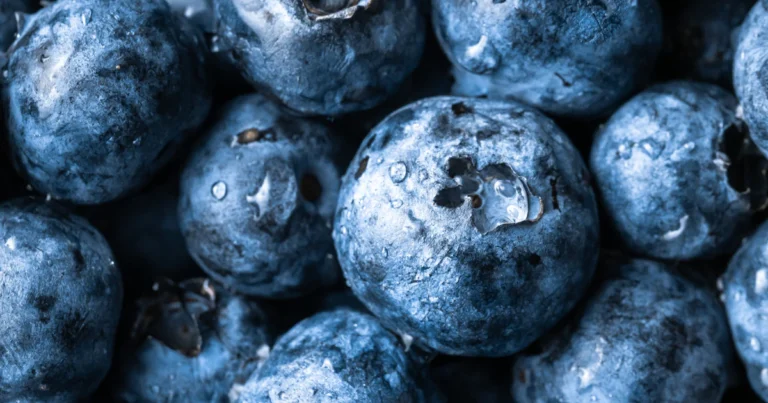
Yes, dogs can eat blueberries. See how many are safe by dog size, fresh vs frozen vs dried, and which blueberry foods to avoid.
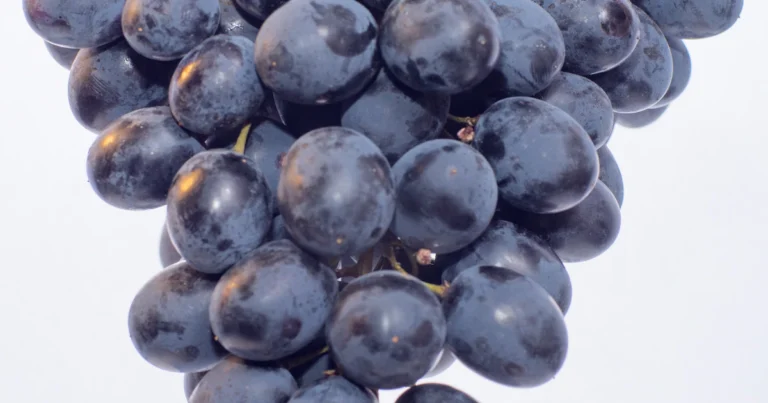
Grapes and raisins can cause kidney failure in dogs, even one. See the symptoms, what to do if your dog ate grapes, and safe fruit swaps.
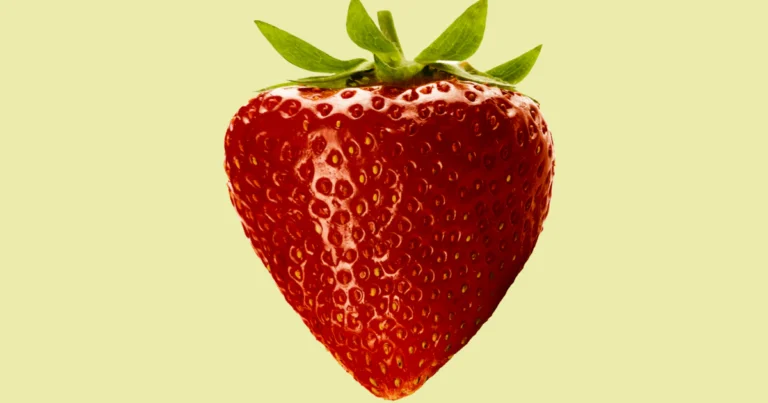
Plain strawberries are safe for dogs in small amounts. See how many by dog size, whether tops and frozen berries are OK, and why jam and yogurt are not.
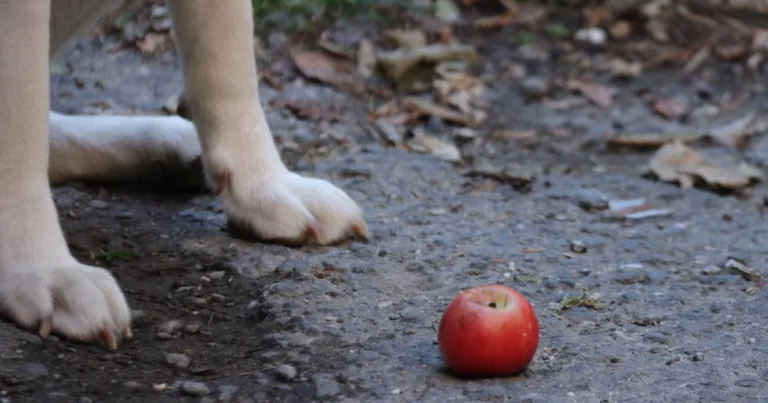
Apple slices are safe for dogs once the core and seeds are removed. See how much by dog size, and what to avoid: cores, dried apple and apple pie.
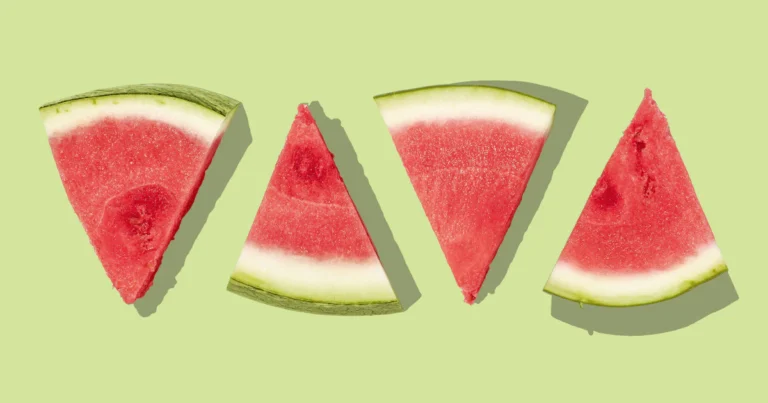
Seedless watermelon flesh is safe for dogs in small pieces. See how much by dog size, why rind and seeds matter, and when to skip it.
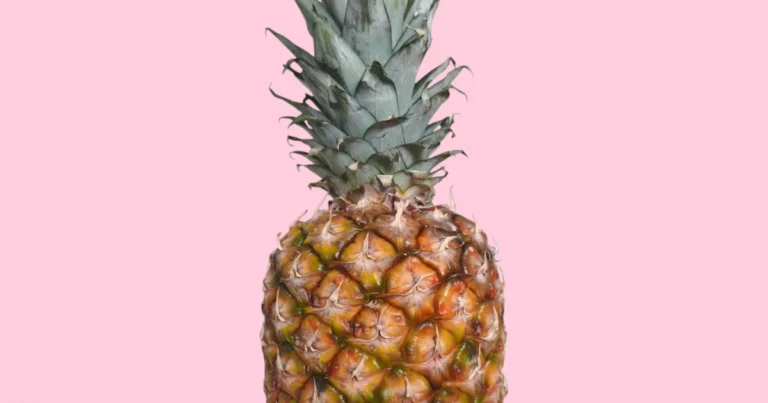
Yes, dogs can eat fresh pineapple flesh. See safe amounts by dog size, why to remove the core and skin, and why canned pineapple is a no.
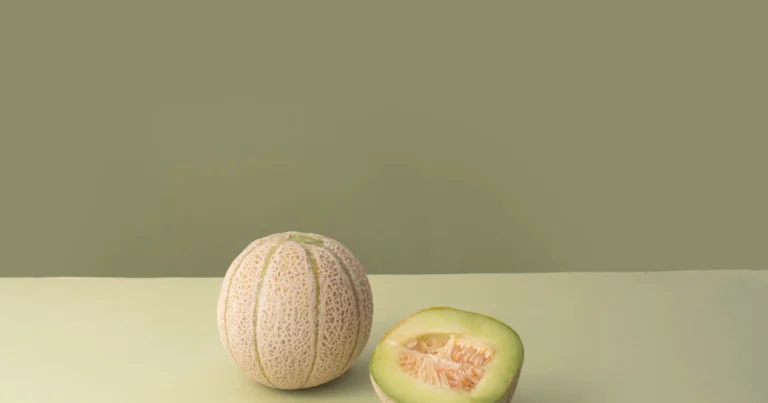
Yes, dogs can eat ripe cantaloupe flesh in small amounts. Learn why to remove the rind and seeds, plus safe portions.

Peeled, seedless orange flesh is fine for most dogs in small amounts. Learn how many segments to give and why peel, pith and seeds are not safe.