Can Cats Eat Tomatoes? Ripe vs Green and Plants
Last updated: November 25, 2026. Sources are listed at the bottom.
Veterinary reviewed by Dr Zahid Iqbal, DVM, MRCVS and Dr Fatih Bozbay, Veterinarian.
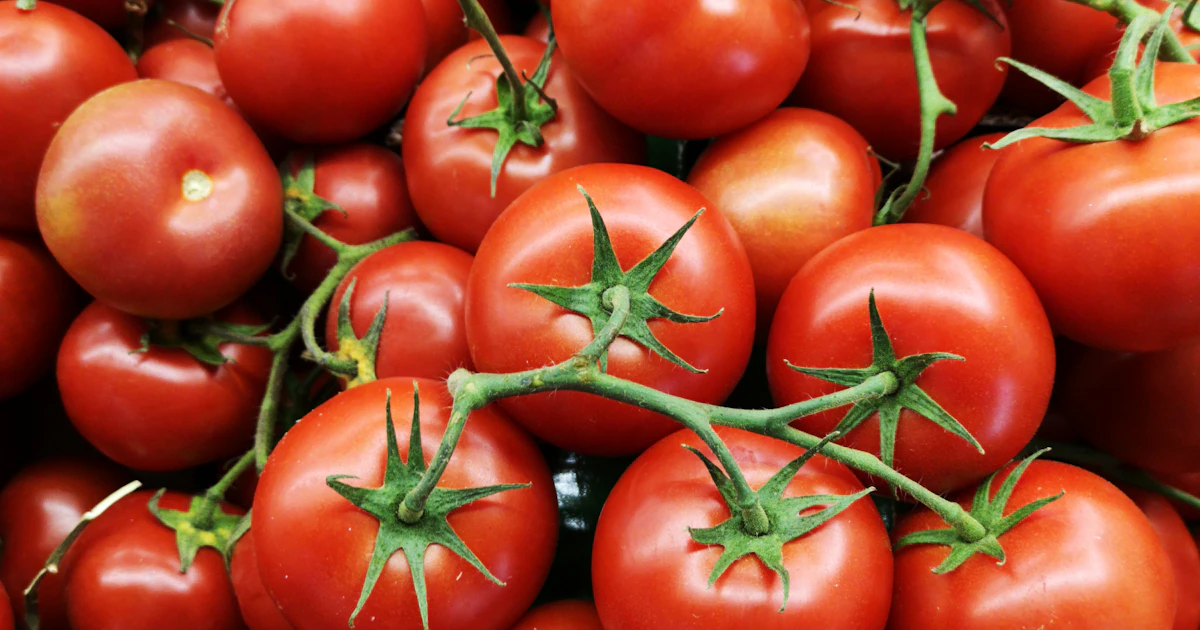
Photo by engin akyurt on Unsplash
Ripe tomatoes are not the main concern. The danger is the green parts: unripe fruit, stems and leaves, which matter most for cats that get into a garden.
Here is how to tell what is safe.
Green unripe tomatoes, leaves and stems contain toxic solanine and tomatine. Tomato sauce is salty and not recommended.
Ripe tomatoes
Chewy says to offer only the ripe, red flesh, and that green unripe fruit, leaves and stems are not safe because they contain solanine and tomatine. Great Pet Care says ripe tomatoes are non-toxic and can be an occasional treat in small amounts.
Green tomatoes and tomato plants
Great Pet Care says unripe green tomatoes should not be fed to cats because of their much higher solanine, and the leaves and stems also contain it. Epic Gardening notes solanine can cause nausea, vomiting, lethargy and loss of appetite in dogs and cats.
Tomato sauce, soup and ketchup
Rover says tomato sauce is not recommended, since it has a lot of salt, which per the ASPCA can cause excessive thirst and urination, or even sodium ion poisoning. Sauces may also contain onion or garlic. See onions and garlic for cats.
What to do if your cat ate green tomato or the plant
Chewy advises contacting your vet if your cat eats green tomato, stems or leaves, or has symptoms after any tomato. You can also call the ASPCA Animal Poison Control Center at (888) 426-4435; fees may apply. Keep a piece of the plant to show them.
Ripe fruit versus the rest of the plant
Kinship says cats can only eat ripe tomato fruit, and that the plant, stems, leaves and green unripe fruit are considered toxic because they contain tomatine and possibly solanine. Chewy agrees that concentrations are higher in green unripe parts, leaves and stems. Hepper notes tomato plants contain more tomatine than solanine, and tomatine decomposes significantly as the fruit ripens.
How serious is it really?
Opinions differ in tone. Rover says a plain ripe piece usually will not bother a cat’s stomach, while the plant and small green tomatoes can cause upset stomach and drooling. Epic Gardening points out that tomato poisoning in pets is extremely rare and treatable, and most pets are not attracted to them. Cats.com concludes the risk from a small amount of ripe tomato is negligible but asks whether it is worth it when safer foods exist.
Sauce, soup and cherry tomatoes
Catster points out that ripe tomatoes are fine but many sauce ingredients, such as garlic and onion, are dangerous. Cats.com adds that green cherry tomatoes carry the same risk as other unripe fruit.
How to tell ripe from unripe
Rover says a ripe tomato has full red or red-orange color and soft skin and comes off the vine easily, while firm green fruit is not ready.
Tomato plants on the windowsill or in the garden
The green parts of the plant, meaning leaves, stems and unripe fruit, carry the highest levels of tomatine and solanine. If you grow tomatoes, keep pots out of a curious cat’s reach, since chewing on foliage is a bigger concern than a bite of ripe fruit.
Do tomatoes help a cat at all?
Ripe tomato has vitamin C, vitamin A and fiber, but a cat on a balanced diet does not need any of it. Most sources describe it as an optional, tiny extra with no real nutritional upside.
Where sources disagree
Most vet-reviewed sites say a small piece of plain ripe red tomato is fine. A few advise skipping tomato entirely because the benefit is so small. We take the cautious middle path: offer little or none, and never the green parts.
Tomatine or solanine: which toxin?
Sources name different compounds. PetMD names solanine, Catster’s tomato guide names tomatine, Catster’s sauce guide names both, and Hepper says tomato plants contain mainly tomatine with only small amounts of solanine. Hepper adds that tomatine seems less toxic by mouth than some related plant toxins and breaks down significantly as the fruit ripens. The practical advice is the same either way: ripe red flesh only, never leaves, stems or green fruit.
How dangerous the plant really is
Catster says the lethal dose has not been established in cats and that there are no verified reports of cats dying from eating the plant, with lab animals the only source for lethal doses. PetMD says poisoning is not normally fatal but is uncomfortable and should be addressed quickly. Hepper’s soup guide, in contrast, mentions that severe cases could be fatal. Because the sources vary, treat any plant nibbling as a reason to phone a vet.
Why some cat foods contain tomato
Catster says some commercial cat foods contain a small amount of tomato paste, usually to balance the recipe or add bulk and fiber, and the quantities are too small to worry about. It also says cats cannot taste sweetness, so a cat poking at a tomato is more likely curious about the smell and texture than hungry for it.
Frequently asked questions
Can cats eat cherry tomatoes?
Ripe ones in tiny amounts, with the green stem removed. Small tomatoes are easy to swallow whole, so cut them up.
Can cats eat cooked tomatoes?
Chewy says occasional small cooked amounts are possible with caveats, but avoid sauces with salt, onion or garlic.
Can cats eat tomato sauce?
Not recommended because of salt and seasonings.
Are tomato plants toxic to cats?
Yes. Leaves and stems contain solanine, so keep cats away from garden plants.
Can kittens eat tomatoes?
Best to skip. Kittens need kitten food, and green parts are especially risky.
Can cats eat tomato soup?
Plain homemade soup from ripe tomatoes is not toxic on its own, but shop-bought and restaurant soups often contain onion, garlic, salt and cream. Safer snacks exist, so it is easiest to skip it.
Can cats eat ketchup?
No. Ketchup usually contains onion and garlic powder plus sugar and salt, none of which suit a cat.
Can cats eat green tomatoes?
No. Unripe fruit holds more tomatine and solanine than ripe fruit. Keep green tomatoes away from your cat.
PawFoodCheck is not a veterinary service. This article is general information and does not replace advice from your own veterinarian.
Why do cat foods contain tomato?
Catster says a small amount of tomato paste is sometimes added to balance the recipe, add bulk or add fiber, in quantities too small to cause concern.
Why is my cat interested in tomatoes?
Catster says cats cannot taste sweetness, so curiosity about the smell and texture is the likelier reason. It also warns that cats are poor at regulating food intake, so interest alone is no reason to offer more.
Can cats eat lasagna or spaghetti sauce?
Catster says the tomato itself is not the main problem. Sauces often contain onion, garlic or oregano, and lasagna sauce can be very salty, so these dishes are best kept from cats.
Related guides
References
- Chewy: Can Cats Eat Tomatoes?
- Great Pet Care: Can Cats Eat Tomatoes?
- Rover: Can Cats Eat Tomatoes?
- Epic Gardening: Are Tomato Plants Toxic?
- Chewy: Can Cats Eat Tomatoes?
- Kinship: Can Cats Eat Tomatoes?
- Hepper: Can Cats Eat Tomatoes?
- Rover: Can Cats Eat Tomatoes?
- Epic Gardening: Tomato Plants and Pets
- Chewy: Can Cats Eat Tomatoes?
- ManyPets: Can dogs or cats eat tomatoes?
- Hepper: Can Cats Eat Tomato Soup?
- PetMD: Can Cats Eat Tomatoes?
- Catster: Can Cats Eat Tomatoes?
- Hepper: Can Cats Eat Tomatoes?
- Catster: Can Cats Eat Tomato Sauce?
- Catster: Can Cats Eat Lasagna?
- Catster: Can Cats Eat Spaghetti?
- Hepper: Can Cats Eat Tomato Soup?