Toxic Foods for Cats: What to Avoid and What to Do
Do not wait for signs. Call your vet or an emergency clinic now. In the US you can also call the ASPCA Animal Poison Control Center at (888) 426-4435 (a consultation fee may apply) or Pet Poison Helpline at (855) 764-7661. Pet Poison Helpline also lists 800-213-6680 on some of its pages. Have the product, the amount and the time ready.
Last updated: November 13, 2026. General information for cat owners, not a replacement for your vet. Sources are listed at the bottom.
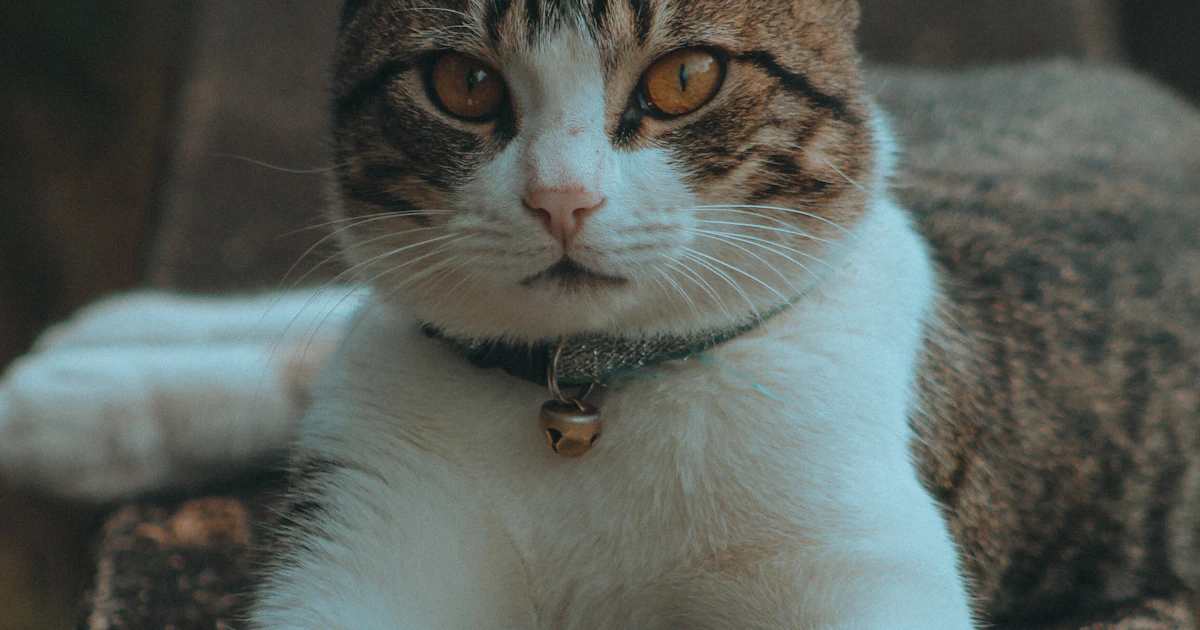
Photo by Victória Duarte on Unsplash
The short answer
The foods most often named as dangerous for cats are onions, garlic, chives and leeks, chocolate and caffeine, grapes and raisins, alcohol, xylitol, and raw yeast dough. Lilies are not a food, but they are one of the most dangerous things a cat can chew in a home, so they are on this page too.
Quick list: foods and plants to keep away from cats
- Onions, garlic, chives, leeks, shallots (all forms, including powders and seasoned food): can damage red blood cells and cause anemia.
- Chocolate: contains methylxanthines (theobromine and caffeine), which cats handle poorly.
- Coffee, tea, energy drinks: caffeine is toxic to cats.
- Grapes and raisins: the ASPCA advises not giving them to pets in any amount.
- Alcohol: including drinks and foods made with it.
- Xylitol: a sweetener in sugar-free gum, candy and some baked goods. Less studied in cats, but best avoided.
- Raw yeast dough: can swell in the stomach and produce alcohol.
- Lilies (Lilium and daylilies): a plant, not a food. Even a small amount can cause kidney failure in cats.
Why each one is a problem
Onions, garlic, chives and leeks
VCA Animal Hospitals explains that these plants belong to the Allium family and are a common cause of poisoning in cats, with garlic being the most toxic. Cats are extremely sensitive. Signs can include stomach upset, and the red blood cell damage that follows can take a few days to show. Pet Poison Helpline points out that powders are very concentrated: one teaspoon of onion powder is about as potent as 5 ounces of fresh onion. That is why seasoned leftovers, soups, baby food and gravy are risky. Never give your cat food seasoned with onion or garlic.
Chocolate and caffeine
The same compounds that make chocolate poisonous for dogs are just as toxic for cats, according to the Cat Care Society. Dark and baking chocolate are the most concentrated. Cats cannot taste sweetness, so they are less likely than dogs to go looking for chocolate, but a curious cat may still sample it. PetMD lists coffee, tea, soda and energy drinks as other sources of caffeine.
Grapes and raisins
Grapes and raisins are an established cause of kidney injury in dogs. The evidence in cats is smaller, but the ASPCA and other toxicology groups still list them as a risk, so the sensible rule is to keep them away from cats, including baked goods and trail mix that contain them.
Xylitol
Xylitol is the well-known danger for dogs. Research in cats is limited, and there are fewer reported cases, so we cannot say how risky it is. Because nobody can promise it is safe, check labels and keep sugar-free products away from your cat.
Raw yeast dough
PetMD explains that raw dough can expand in the stomach and cause painful bloating, and that yeast makes alcohol as it ferments. Treat any raw dough exposure as an emergency.
Lilies
Pet Poison Helpline ranks lilies as the number one cat poison in its 2025 top 10 list for cats, and VCA notes that true lilies and daylilies can both cause kidney failure. If you bring flowers home, check that there are no lilies in the bouquet.
Foods that are toxic to dogs but different for cats
Some pet food lists mix dogs and cats together, which can confuse people. One example is macadamia nuts. They are known to be toxic to dogs, but the ASPCA toxicology team has said they cause no problems in cats. Salted or chocolate-covered nuts are still a bad idea for cats, and fatty nuts can upset the stomach. When in doubt, skip it and ask your vet.
What to do if your cat ate something toxic
- Take the food or package away from your cat.
- Call your vet, an emergency clinic or a poison hotline straight away. Do not wait for symptoms.
- Tell them what your cat ate, roughly how much, when, and your cat’s weight.
- Do not make your cat vomit unless a vet tells you to.
- Keep the packaging or a photo of the label to show the vet.
Signs that something is wrong
Depending on what was eaten, signs can include vomiting, diarrhea, drooling, weakness, tiredness, pale gums, fast breathing, tremors or seizures. Some poisons, such as onions and lilies, may not show clear signs for hours or days, which is another reason to call early.
Browse our cat food guides
- Can cats eat chicken?
- Can cats eat salmon?
- Can cats eat tuna?
- Can cats eat eggs?
- Can cats drink milk?
- Can cats eat cheese?
- Can cats eat bread?
- Can cats eat rice?
- Can cats eat yogurt?
- Can cats eat bananas?
- Dog owner? See toxic foods for dogs.
Frequently asked questions
What human foods are poisonous to cats?
The main ones are onions, garlic, chives and leeks, chocolate, caffeine, grapes and raisins, alcohol, xylitol and raw yeast dough.
Is chocolate toxic to cats?
Yes. Chocolate and caffeine contain methylxanthines, which are toxic to cats. Call your vet if your cat ate any.
Are garlic and onion really that bad for cats?
Yes. VCA says Allium plants are a common cause of poisoning in cats and that cats are extremely sensitive. Powders and seasoned foods count too.
Are macadamia nuts toxic to cats?
They are toxic to dogs, but the ASPCA toxicologist quoted by Kinship says they cause no problems in cats. Salted and chocolate-covered nuts are still not suitable.
Should I call a hotline or the vet first?
Either is fine, and if you are not sure, call your vet or emergency clinic first. Poison hotlines charge a fee, but they can give vets specific treatment advice.
More toxic food guides
- Can cats eat chocolate?
- Are lilies toxic to cats?
- Can cats eat grapes or raisins?
- Are onions and garlic toxic to cats?
- My cat ate raw bread dough
- My cat ate a chicken bone
- Can cats eat avocado? (best avoided)
- Can cats eat bacon? (not recommended)
- Can cats eat ham? (not recommended)
- Can cats eat tomatoes? (green parts toxic)
- Can cats eat oranges? (citrus, not recommended)
- Can cats eat coconut? (best avoided)
- Can cats eat raw chicken? (not recommended)
- Can cats eat raw salmon? (not recommended)
- Ice cream: skip it (chocolate and xylitol risk)
- Butter: not toxic, but too fatty
- Nuts: avoid (macadamia, moldy walnuts, bitter almonds)
Browse all cat food guides A to Z
References
- ASPCA: Animal Poison Control
- VCA Animal Hospitals: Onion, garlic, chive and leek poisoning in cats
- VCA Animal Hospitals: Toxic hazards
- Pet Poison Helpline: Top 10 Pet Poisons of 2025
- Pet Poison Helpline: Feline safety
- PetMD: What things are poisonous to cats?
- Kinship: Top 10 foods that are toxic to cats
- Cat Care Society: Dangerous and toxic foods