Can Dogs Eat Strawberries? Tops, Frozen, Portions & Jam
Last updated: November 25, 2026 · Sources are listed at the bottom. How we research
Veterinary reviewed by Dr Zahid Iqbal, DVM, MRCVS and Dr Fatih Bozbay, Veterinarian.
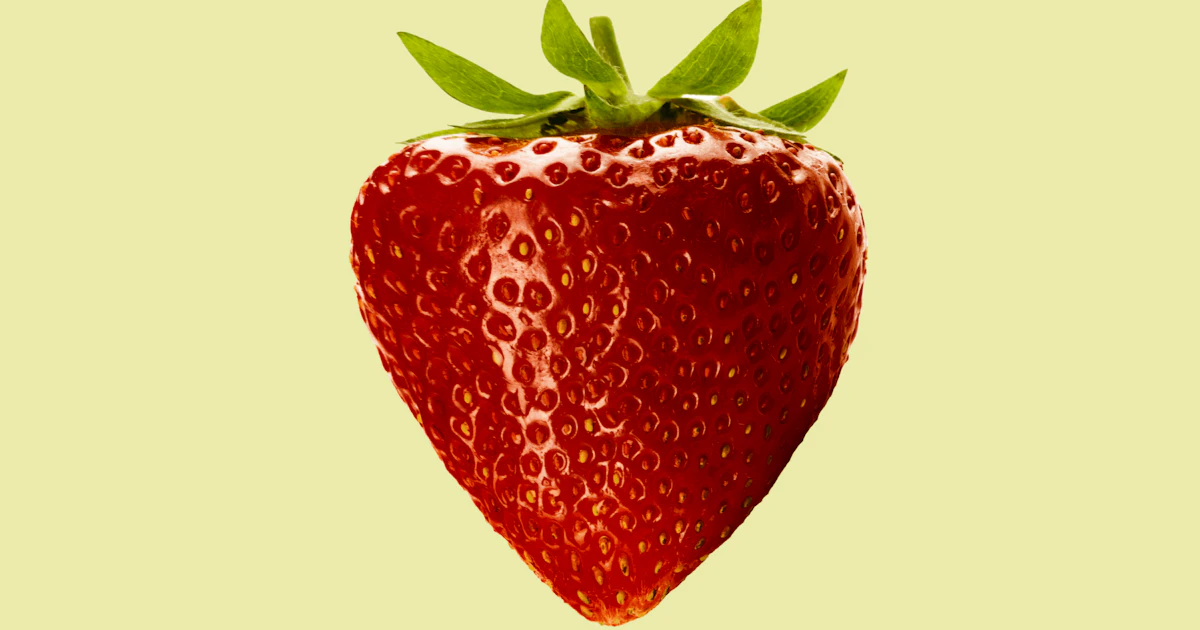
Photo by Allec Gomes on Unsplash
Strawberries are one of the fruits dogs tend to love, and a stray berry from the punnet is rarely a reason to worry. Plain strawberries are a safe, low-calorie treat for most dogs, as long as they are washed and the green tops are removed.
This guide covers fresh and frozen berries, how many a dog can have, and which strawberry products to keep out of the bowl.
Quick answer: Yes. Plain strawberries are a safe, low-calorie treat for most dogs. Raw strawberries have only about 32 kcal and 5 g of sugar per 100 g. Wash them, remove the green tops, and cut them into small pieces. Skip jam, syrup, canned fruit, yogurt and ice cream, which add sugar and sometimes xylitol. Ask your vet first if your dog has diabetes, pancreatitis, kidney disease or a prescription diet.
- Safe: fresh or plain frozen strawberries, washed and cut small
- Remove first: the green tops, stems and leaves
- Avoid: jam, syrup, canned strawberries, strawberry yogurt, ice cream, cake and milkshakes
- Check the label for: xylitol (also called birch sugar or wood sugar), raisins and grapes in fruit mixes
Jump to: Which kind · How many · How to serve them · Who should be careful · Ate too many · FAQ
Are strawberries safe for dogs?
Yes. Webvet’s vet-reviewed guide (medically reviewed by Dr. Athena Gaffud, DVM, in August 2026) describes fresh, plain strawberry as a generally low-risk, optional treat, and PetMD’s guide (reviewed by Molly Price, DVM) agrees that dogs can eat strawberries in moderation.
Calories and sugar. The USDA lists raw strawberries at about 32 kcal per 100 g, with about 4.9 g of sugar, 2 g of fiber and almost no fat. A cup of halves (152 g) is about 49 kcal, and one large berry (about 18 g) is about 6 kcal. Webvet notes that strawberries are not unusually high in sugar compared with other fruit.
It is a treat, not a need. Strawberries are not a required part of your dog’s diet. A complete dog food should stay the main source of nutrition.
Teeth. You may read that strawberries whiten teeth or clean them. Webvet says this is not established. Brushing with dog-safe toothpaste and regular dental checks are what protect teeth.
Fresh, frozen, jam and other strawberry products
The last column is our own calculation. We keep all treats under 10% of daily calories, with daily calories estimated as 1.6 × resting energy requirement (70 × body weight in kg to the power 0.75), divided by 0.32 kcal per gram of strawberry and rounded down. It is the most a healthy adult dog could have if strawberries were the only treat, not a target, and far more than anyone should feed in one go. The PetMD amounts are the better guide. PetMD says most dogs can have strawberries regularly in small amounts. Introduce them slowly, starting with one or two pieces. Active, underweight or overweight dogs need different amounts, so ask your vet.
| Form | Verdict | What to know |
|---|---|---|
| Fresh strawberries, washed | Safe | Cut into small slices. Whole berries can be tough to eat and can choke small dogs. |
| Tops, stems and leaves | Remove | Not known to be toxic, but PetMD says they are hard to digest and can upset the stomach or choke. |
| Plain frozen strawberries | Safe | A refreshing treat. Cut them small and let them soften slightly first. Check frozen mixes for grapes or raisins. |
| Canned or syrup-packed strawberries | Avoid | Added sugar and syrup. Review the exact product. |
| Jam, jelly and sauces | Avoid | Concentrated sugar. Check for xylitol and other additives. |
| Strawberry yogurt | Avoid | PetMD notes it often contains added sugar or xylitol. |
| Strawberry ice cream, milkshake, cake or shortcake | Never | More sugar and fat, and recipes can include chocolate, alcohol or raisins. |
| Sugar-free or strawberry-flavored products | Check the label | They are dangerous only if the ingredients list xylitol, birch sugar or wood sugar. If it is listed, contact a vet or poison service promptly. |
How many strawberries can a dog eat?
PetMD suggests the amounts below, with slices about 1/4 inch thick. Treats of all kinds should stay under 10% of daily calories. Webvet points out that no evidence-based berry count exists, so treat any chart as a starting point and scale down for a first taste.
| Dog weight | Treat budget (10%) | PetMD suggested amount | Calorie ceiling for strawberries |
|---|---|---|---|
| 5 lb (2.3 kg) | ~21 kcal | 1 to 2 slices | 64 g |
| 10 lb (4.5 kg) | ~35 kcal | 1 to 2 slices | 108 g |
| 20 lb (9.1 kg) | ~59 kcal | 1 to 2 slices | 182 g |
| 35 lb (15.9 kg) | ~89 kcal | 5 to 6 slices | 278 g |
| 50 lb (22.7 kg) | ~116 kcal | 5 to 6 slices | 363 g |
| 75 lb (34 kg) | ~158 kcal | A handful of slices | 493 g |
| 100 lb (45 kg) | ~196 kcal | A large handful of slices | 611 g |
How to serve strawberries safely
- Wash the berries well.
- Cut off the green top and any stem.
- Slice or chop to suit your dog’s size and chewing. Mash a little for small dogs.
- Serve fresh, or freeze plain pieces and let them soften slightly.
- Offer one or two pieces the first time and watch for stomach upset over the next day.
Which dogs should be careful with strawberries
Webvet says these dogs should check with a vet first. It does not ban strawberries for any of them. The decision depends on the diagnosis, calorie target and diet.
- Dogs with diabetes or obesity. Strawberries contain natural sugar. PetMD says these dogs may not be good candidates.
- Dogs with pancreatitis or kidney disease.
- Dogs on a prescription or therapeutic diet. Do not change the plan without the treating vet.
- Dogs with food allergies or on an elimination diet. A new fruit can invalidate the trial.
- Puppies. PetMD says puppies can have them in moderation, washed and in small portions. Complete puppy food must stay the main diet.
My dog ate a lot of strawberries. What now?
Plain strawberries. Expect possible gas, vomiting or loose stools. Offer water and skip other treats for the day.
Seek veterinary care for: repeated vomiting, marked diarrhea, belly pain, weakness, facial swelling, breathing difficulty, tremors, seizures or collapse. Do not make your dog vomit unless a professional tells you to.
If it was jam, yogurt, a sweet or a fruit mix: read the ingredients. If you see xylitol (birch sugar, wood sugar), grapes, raisins, chocolate or alcohol, call a vet or poison line promptly. In the US: ASPCA Animal Poison Control Center (888) 426-4435 or Pet Poison Helpline (855) 764-7661 (a consultation fee may apply).
Frequently asked questions
Can dogs eat strawberries every day?
PetMD says most dogs can have them regularly in small amounts. Keep pieces small, stay within the 10% treat budget, and skip them if your dog gets loose stools.
Can dogs eat strawberry tops or leaves?
It is best to remove them. They are not known to be toxic, but they are hard to digest and can upset the stomach.
Can dogs eat frozen strawberries?
Yes, plain ones, cut small and softened slightly. Check frozen fruit mixes for grapes and raisins.
Can dogs eat strawberry jam?
No. It is mostly sugar and may contain other additives. Check the label for xylitol.
Can dogs eat strawberry yogurt?
Most are not recommended because of added sugar and sometimes xylitol.
Can dogs eat strawberry ice cream?
No. It has even more sugar and fat than the fruit.
Do strawberries clean a dog’s teeth?
That is not established. Brushing and dental checks protect teeth.
Can puppies eat strawberries?
In small, washed, well-cut portions, yes. Complete puppy food should stay the main diet, and a vet can advise on your puppy.
Can dogs with diabetes eat strawberries?
Ask your vet first. Strawberries contain natural sugar, though they are not unusually high in it.
Can diabetic dogs eat strawberries?
Strawberries contain natural sugar, so ask your vet before offering them to a diabetic dog.
Are whole strawberries a choking risk?
They can be, especially for small dogs and puppies, and especially when frozen. Cut strawberries into small pieces or mash them before serving.
The bottom line
Plain strawberries are an easy, low-calorie treat for most dogs. Wash them, take off the tops, cut them small, and keep to the day’s treat budget. Leave out jam, yogurt, ice cream and anything sweetened, and ask your vet first if your dog has diabetes, pancreatitis, kidney disease, allergies or a prescription diet.
This article is general information and does not replace advice from your own veterinarian. I am not a veterinarian. See our disclaimer.
Related guides
- Can dogs eat kiwi?
- Can dogs eat plums?
- Can dogs eat raspberries?
- Can dogs eat pears?
- Can dogs eat blackberries?
References
- Webvet: Can Dogs Eat Strawberries? (medically reviewed by Dr. Athena Gaffud, DVM; xylitol, products, who should check with a vet)
- PetMD: Can Dogs Eat Strawberries? (reviewed by Molly Price, DVM) (serving chart, tops and stems, frozen, yogurt)
- USDA FoodData Central: strawberries, raw (FDC ID 167762)
- American Kennel Club: Can Dogs Eat Strawberries? (safe in moderation, benefits)