Can Dogs Eat Avocado? Pit, Persin & Fat Risks Explained (2026)
Last updated: November 25, 2026
Veterinary reviewed by Dr Zahid Iqbal, DVM, MRCVS and Dr Fatih Bozbay, Veterinarian.
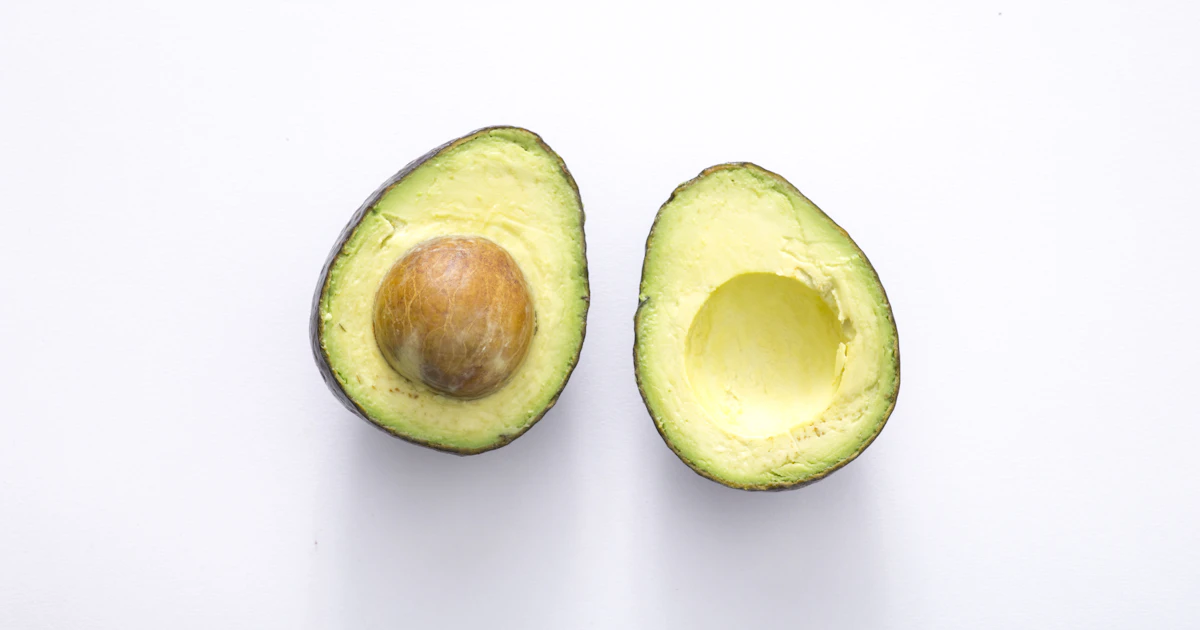
Photo by Thought Catalog on Unsplash
Avocado is a popular toast topping and guacamole base, and owners often hear mixed messages about it for dogs. It is best not to feed avocado on purpose. A small bite of plain flesh is unlikely to be an emergency for most dogs, but avocado is very high in fat, and the pit, skin and leaves are the bigger dangers.
Below we explain which parts are dangerous, what to do if your dog ate avocado and how guacamole, oil and other avocado products compare.
Dog swallowed an avocado pit or is choking? Go to an emergency vet right away. Questions about poisoning: Pet Poison Helpline 855-764-7661 or ASPCA Animal Poison Control 888-426-4435.
Quick answer: It is best not to feed avocado on purpose. A small bite of plain flesh is unlikely to be an emergency for most dogs, but avocado is very high in fat, and the pit, skin and leaves are the bigger dangers. The pit is a choking and blockage hazard, and the skin, pit and leaves contain more persin, a natural plant toxin.
On this page
- Is avocado safe for dogs?
- Which parts are dangerous?
- What to do if your dog ate avocado
- Guacamole, oil and avocado products
- Better fruit treats
- FAQ
Is avocado safe for dogs?
This is a topic where trusted sources do not fully agree, so here is the careful version. The American Kennel Club says the answer is “yes and no” because avocados contain persin, a fungicidal toxin that can seriously harm some animals. Dogs are considered fairly resistant to persin compared with birds, horses, rabbits and goats, and the flesh has less of it than the skin, pit and leaves. Many vet sources therefore treat a small bite of plain flesh as low-risk, while others advise keeping avocado away from dogs entirely.
The reasons to skip it are practical. Avocado is roughly 160 kcal and 15 g of fat per 100 g, so even a few chunks add a lot of fat. Fat can cause vomiting and diarrhea, and in some dogs it can trigger pancreatitis. Avocado also has no nutrient your dog needs that regular dog food does not already supply. Because of this, I do not give a feeding amount table for avocado.
Which parts are dangerous?
Persin in large amounts can cause vomiting, diarrhea, and in severe cases chest or breathing trouble and heart effects. The exact amount that makes a dog seriously ill is not well established, which is another reason not to take a chance with whole fruits or plants.
| Part | Risk | Why |
|---|---|---|
| Flesh | Low, but fatty | Less persin; fat can upset the stomach or trigger pancreatitis |
| Pit (seed) | High | Choking and intestinal blockage; may need surgery; contains persin |
| Skin (peel) | Higher | More persin; hard to digest |
| Leaves, stem and tree | Higher | More persin; keep dogs away from avocado trees and plants |
| Unripe fruit | Higher | Also contains persin and is harder to digest |
What to do if your dog ate avocado
Signs of a blockage include repeated vomiting, loss of appetite, a painful or swollen belly, straining to poop, and lethargy. These need urgent veterinary care. Do not make your dog vomit unless a vet tells you to.
| What your dog ate | What to do |
|---|---|
| A small bite of plain flesh | Usually just watch for vomiting or diarrhea over the next day; call your vet if signs are severe or last |
| A lot of flesh | Call your vet; watch for vomiting, diarrhea and belly pain (pancreatitis risk) |
| The pit, or you are not sure | Call your vet or an emergency clinic now; a swallowed pit can cause a blockage |
| Skin, leaves or a whole fruit | Call your vet or poison control for advice |
| Guacamole | Check for onion and garlic, which are toxic; call your vet |
| Choking, gagging or trouble breathing | Emergency: go to a vet immediately |
Guacamole, oil and avocado products
- Guacamole: Not recommended. It often contains onion and garlic, which are toxic to dogs, plus salt, lime and spices. See onions and garlic.
- Avocado oil: Some sources say it does not contain persin and is not toxic, but it is pure fat. Skip it unless your vet says otherwise.
- Avocado toast and sandwiches: Bread, seasonings and other toppings add their own problems.
- Dog foods with avocado: Some commercial foods use processed avocado ingredients at levels the makers consider safe. This is different from feeding fresh fruit.
Better fruit treats
If you want to share a fruit, these are lower-fat options with their own portion guides: blueberries, strawberries, watermelon (seedless, rind removed) and bananas.
The sources really disagree
The AKC’s avocado guide says flesh can be an occasional small treat, but its fruit and vegetable guide says it shouldn’t be given at all. PetMD says avocado is safe in moderation but that the risks outweigh the benefits. Chewy says peeled and pitted avocado is fine in moderation, while Chewy’s fruit guide lists it as dangerous. Hepper’s fatal-foods list says nothing about avocado is safe, while its avocado oil article says the flesh is non-toxic but advises keeping it away. If you cannot settle on one view, the safest reading is to skip it or keep to a taste.
Persin: how much to worry
The AKC quotes a veterinarian who says persin is in the leaves, skin and pit, that dogs are more tolerant than animals like birds and horses and typically need large quantities to be poisoned, but it can still cause mild stomach upset. Hepper says dogs tolerate it better than most other species, but vomiting and diarrhea can still occur. PetMD says a dog would have to eat a lot of leaves, bark or peel to show signs.
The pit is the bigger emergency
The AKC says the pit is not toxic to dogs but is a choking hazard and can cause intestinal blockage, sometimes needing surgery. PetMD says if a dog has eaten the pit or seems to be choking, go to an emergency facility. Chewy’s article, by contrast, says the pit also contains persin in a higher concentration than the flesh.
Fat and pancreatitis
PetMD says avocado is high in fat and some dogs can develop pancreatitis from even a small amount of pulp. The AKC says to skip avocado for dogs prone to pancreatitis or that are overweight. The AKC and PetMD both give a limit of about 1 teaspoon per 10 pounds of body weight for those who do feed it.
Oil, guacamole and sushi
The AKC and PetMD say avocado oil lacks persin but is very high in fat, and PetMD advises avoiding it, whereas Chewy says dogs can eat it. Hepper says avocado oil on a dog food or supplement label is not a concern. The AKC and PetMD say guacamole should stay off limits; Hepper’s sushi guide says avoid avocado there too.
FAQ
Is avocado poisonous to dogs?
Avocado contains persin, which is toxic to some animals. Dogs are fairly resistant, and the flesh has less persin than the skin, pit and leaves. The pit, however, can cause choking or a blockage, and the fat can cause stomach upset or pancreatitis.
Can dogs eat avocado flesh?
A small bite is unlikely to cause serious trouble for most dogs, but it is not recommended as a treat because of the fat. Ask your vet if you are unsure.
My dog ate an avocado pit. What now?
Call your vet or an emergency clinic right away. Pits can lodge in the throat, stomach or intestines.
Can puppies eat avocado?
It is better to avoid it. Puppies have sensitive stomachs and are more likely to swallow the pit.
Can dogs eat avocado oil?
It does not contain persin according to some sources, but it is high in fat. There is little reason to give it.
Is avocado toxic to dogs?
The AKC and PetMD say the flesh is not highly toxic in small amounts, but the skin, leaves and pit contain persin; Hepper’s fatal-foods list is stricter.
How much avocado can a dog eat?
The AKC and PetMD both say no more than about 1 teaspoon per 10 pounds of body weight.
Can a dog die from eating an avocado pit?
The AKC says the pit can cause a blockage that may need surgery, and PetMD calls swallowing it an emergency.
Can dogs eat guacamole?
The AKC, PetMD and Chewy all say no.
Bottom line
Avocado is not a good treat for dogs. The flesh is usually not an emergency in small amounts, but it is fatty, and the pit, skin and leaves are real hazards. Keep whole fruits and trees out of reach, and call your vet if your dog eats the pit.
I’m not a veterinarian. This article is general information and does not replace advice from your vet, especially for dogs prone to pancreatitis or weight gain.
Related guides
References
- American Kennel Club (AKC), can dogs eat avocado
- PetMD, can dogs eat avocado
- ASPCA, avocado and animal toxicity
- Chewy, can dogs eat avocado
- USDA FoodData Central, avocado nutrient data
- AKC, Can Dogs Eat Avocado? (persin, pit, 1 tsp per 10 lb)
- AKC, Fruits and Vegetables Dogs Can or Can’t Eat (should not be given)
- PetMD, Can Dogs Eat Avocado? (pancreatitis, pit)
- Chewy, Can Dogs Eat Avocado? (flesh, oil)
- Chewy, What Fruits Can Dogs Eat? (dangerous)
- Hepper, Can Dogs Eat Avocado Oil? (muddy evidence)
- Hepper, 11 Human Foods That Can Be Fatal to Dogs (avocado)
- Hepper, Can Dogs Eat Sushi? (avocado)