Can Dogs Eat Cod? Cooked Cod, Bones & Fish Oil (2026)
Last updated: November 25, 2026
Veterinary reviewed by Dr Zahid Iqbal, DVM, MRCVS and Dr Fatih Bozbay, Veterinarian.
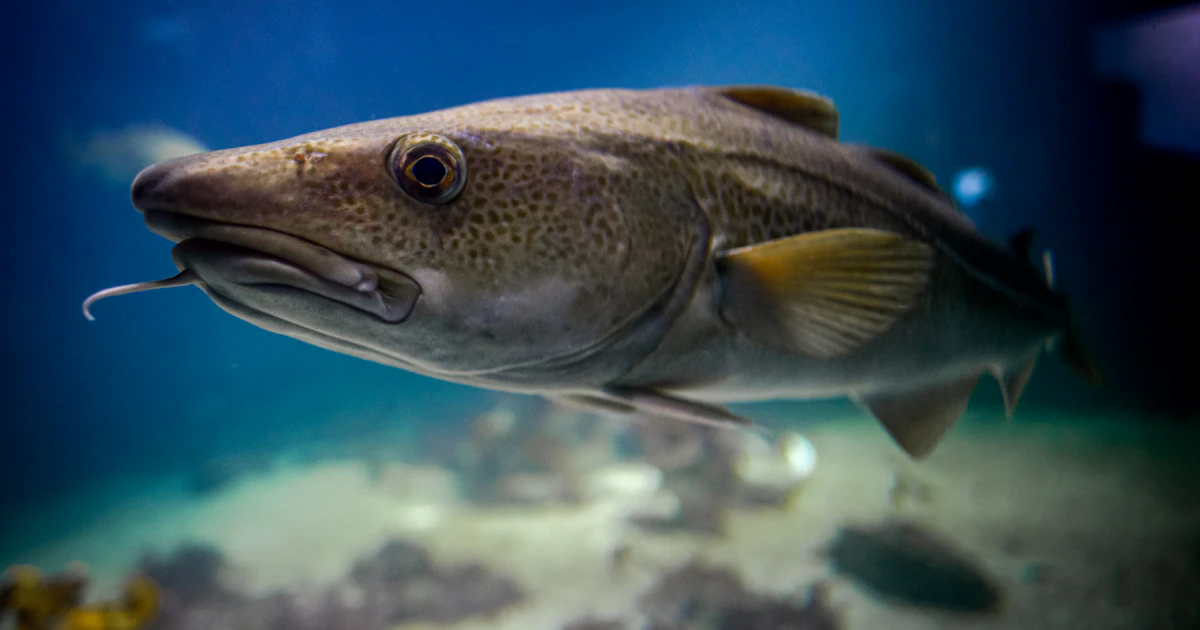
Photo by Gabriela on Unsplash
Cod is a mild white fish, and a bite of plain fillet is an easy thing to share. Plain, fully cooked, boneless cod is generally safe for dogs in small amounts. It is lean and mild, but fish bones are a hazard, and fried, battered, salted or seasoned cod is not suitable.
Below you will find the risks, how much cod a dog can eat and how different cod forms compare.
Quick answer: Yes, plain, fully cooked, boneless cod is generally safe for dogs in small amounts. It is lean and mild, but fish bones are a hazard, and fried, battered, salted or seasoned cod is not suitable. Cook it without oil, salt, onion or garlic and offer it only as an occasional treat.
On this page
Cod is one of the mildest white fish, and it shows up in dog foods and in family dinners. A flake of plain baked cod is a low-risk treat for most dogs.
What matters is how it is cooked and whether any bones are left, so here is how to serve it safely.
Can dogs eat cod?
Cod is a lean fish that provides protein and some minerals. Fully cooked plain cod is generally safe for most dogs and is sometimes used in dog foods for dogs with sensitivities to common proteins.
Because cod is lean, it is lower in fat than many other fish and meats. That makes it a gentler option, but it is still a treat and not a replacement for a balanced diet.
Cook it fully, with no oil, butter, salt or seasonings, and check for bones before serving. Small, thin fish bones can lodge in the throat or the digestive tract.
Risks to know
Cod is low risk when plain. These are the things to watch for:
- Fish bones, which are thin and sharp and can cause choking or injury.
- Fried or battered cod, as in fish and chips, which is greasy and salty.
- Salt cod, which is preserved in large amounts of salt and is not suitable for dogs.
- Seasonings and sauces, which often include garlic, onion or lemon.
- Raw or undercooked fish, which can carry parasites and bacteria.
- Fish allergy, which is uncommon but possible.
How much cod can a dog eat?
There is no official vet standard for cod portions. These numbers are my own conservative estimates, offered occasionally.
Count fish as part of your dog’s daily calories. Dogs with allergies, pancreatitis or kidney disease need a vet’s advice.
| Dog weight | Practical amount, occasionally |
|---|---|
| Under 10 lb (4.5 kg) | 1 to 2 small flakes |
| 10 to 25 lb (4.5 to 11 kg) | 1 tablespoon |
| 25 to 50 lb (11 to 23 kg) | 1 to 2 tablespoons |
| 50 to 100 lb (23 to 45 kg) | 2 to 3 tablespoons |
| Over 100 lb (45 kg) | About 1/4 cup |
Cod forms compared
| Form | Safe? | Notes |
|---|---|---|
| Plain baked or boiled cod | Small amounts | The best way to serve cod. |
| Fried or battered cod | No | Fatty, salty and breaded. |
| Salt cod | No | Very high in salt. |
| Cod with sauce or seasoning | No | May contain onion, garlic and salt. |
| Cod liver oil | Ask your vet | Only give it if your vet recommends it and in the dose they advise. |
| Raw cod | Not recommended | Parasite and bacteria risk. |
How to serve it
- Choose fresh or thawed cod fillet and check for bones.
- Bake, steam or boil it with no oil, salt or seasoning.
- Cook until it flakes easily and is opaque all the way through.
- Let it cool, flake it into small pieces and remove any bones.
The first time, offer only a small flake and watch for vomiting, itching or loose stools over the next day before offering more.
Cod as a lower-mercury fish
PetMD lists cod among fish that are safe for dogs because such species are generally less likely to have high mercury or heavy parasite burdens. Hepper’s swordfish guide also names cod as a safer choice, since smaller fish are harvested younger. The AKC prefers shorter-lived species over tuna and swordfish, and Hepper’s cod guide names swordfish, king mackerel, tilefish and canned albacore tuna as high-mercury fish to avoid.
Bones and fillet preparation
Hepper says cod must be deboned, as fish bones are small and brittle and can damage the intestinal tract or lodge in the throat or mouth. PetMD says bones, fins, head, tail and scales should not be included.
Cooking, raw fish and the 145°F guide
PetMD says the American Veterinary Medical Association does not recommend raw or undercooked fish for dogs, and Hepper says raw cod can carry bacteria such as Salmonella. Hepper’s swordfish guide notes that the FDA recommends 145°F as the internal temperature for fish. Cook it with no oil or seasoning, according to the AKC.
Omega-3s, allergies and what cod really adds
Hepper says cod contains omega-3 fatty acids and iodine, and that omega-3s can help with inflammation, allergies and itchy skin. PetMD and the AKC say fish can be a novel protein for dogs with allergies to more common proteins such as chicken. None of that makes cod a replacement for a balanced diet, and Hepper says treats should be 10 percent or less of daily food.
Battered, fried and salted cod
The AKC says fish cooked in too much oil can cause GI upset, and PetMD says breaded fried fish adds oils, fats and salt that can trigger vomiting, diarrhea or even pancreatitis. Fish and chips and fish sticks are therefore not the same as a plain baked fillet.
FAQ
Is cod good for dogs?
Plain cooked cod is a lean protein that many dogs enjoy. It is not necessary for dogs eating a complete food.
Can dogs eat cod skin?
A small piece of plain cooked skin is usually fine, but skin adds fat and may carry scales and bones. It is easiest to remove it.
Can dogs eat fish and chips?
No. The batter, oil, salt and seasonings make it unsuitable, and chips are fatty and salty.
Can dogs eat cod liver oil?
It can be used as a supplement, but only on your vet’s advice, because too much vitamin A and vitamin D can be harmful.
Can dogs eat raw cod?
It is better to cook it. Raw fish can carry parasites and bacteria, and ask your vet before feeding raw fish.
Can puppies eat cod?
A tiny amount of plain, boneless, cooked cod is usually fine, but puppies should eat a complete puppy food.
Is cod safe for dogs with allergies?
PetMD and the AKC say fish can work as an alternative protein for dogs allergic to chicken, but ask your vet before changing the diet.
Can dogs eat fish and chips or fish sticks?
PetMD says breading adds oils and salt that can cause vomiting, diarrhea or pancreatitis, so plain baked cod is better.
Does cod contain mercury?
PetMD and Hepper list cod among lower-mercury fish, unlike swordfish, king mackerel, tilefish and canned albacore.
How much cod can a dog eat?
Hepper says treats should be no more than 10 percent of daily intake.
Bottom line
Plain, boneless, fully cooked cod is generally a safe occasional treat for dogs. Skip fried, salted and seasoned versions and check carefully for bones.
I’m not a veterinarian. This article is general information and does not replace advice from your vet, especially for dogs with diabetes or digestive problems.
Related guides
References
- American Kennel Club (AKC), can dogs eat fish
- PetMD, can dogs eat fish
- Chewy, can dogs eat cod
- FDA, raw pet food and safety
- PetMD, Can Dogs Eat Fish? (cod, raw fish, bones)
- Hepper, Can Dogs Eat Cod? (omega-3, deboning)
- AKC, Can Dogs Eat Fish? (mercury, oil, bones)
- Hepper, Can Dogs Eat Swordfish? (safer fish, 145°F)
- Hepper, Can Dogs Eat Raw Fish? (skin, omega-3)
- Hepper, Can Dogs Eat Seafood? (mercury risks)