Can Dogs Eat Salmon? Cooked vs Raw, Skin & Amounts (2026)
Last updated: November 25, 2026
Veterinary reviewed by Dr Zahid Iqbal, DVM, MRCVS and Dr Fatih Bozbay, Veterinarian.
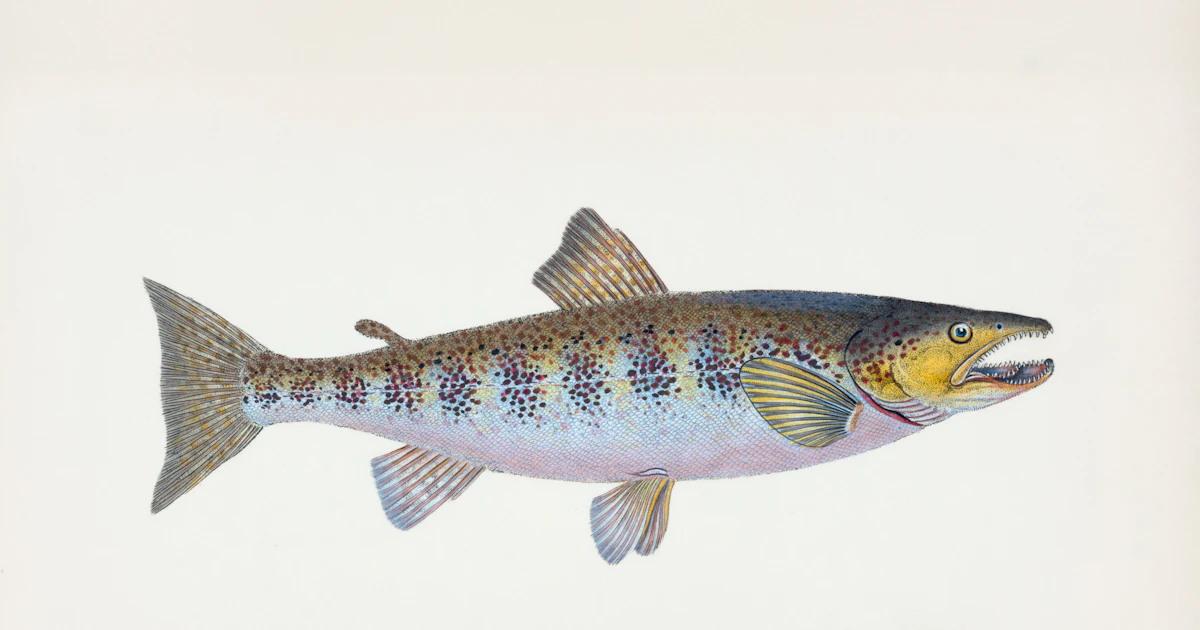
Photo by The New York Public Library on Unsplash
Salmon is a popular fish for people, and it also shows up in many dog foods, so owners often ask whether a bite from the plate is fine. Dogs can eat fully cooked, boneless, plain salmon in small amounts. Raw or undercooked salmon is a real risk, because it can carry the parasite-linked infection known as salmon poisoning disease.
This guide explains the raw salmon risk, how much salmon a dog can have and how different forms of salmon compare.
Dog ate raw salmon, trout or other raw fish? Call your vet now, even if your dog seems fine, and tell them what and when your dog ate. Early treatment makes a big difference. Pet Poison Helpline: 855-764-7661.
Quick answer: Yes, dogs can eat fully cooked, boneless, plain salmon in small amounts. Never feed raw or undercooked salmon, because it can carry a parasite-linked infection called salmon poisoning disease that can be fatal without treatment. Skip seasoning, oil-packed fish and salty smoked salmon.
On this page
- Is salmon safe for dogs?
- Raw salmon and salmon poisoning disease
- How much salmon can a dog have?
- Salmon forms compared
- How to prepare salmon for a dog
- FAQ
Is salmon safe for dogs?
Cooked salmon is safe for most dogs and is a common ingredient in dog foods. It is a good source of protein and omega-3 fatty acids, which are linked to healthy skin and coat. The American Kennel Club and PetMD both say salmon should be cooked, and Webvet suggests an occasional treat once or twice a week, not a meal replacement.
Salmon is fairly rich. Cooked salmon is roughly 200 kcal and 12 g of fat per 100 g, so large amounts can cause stomach upset, weight gain or, in some dogs, pancreatitis. Some dogs are also allergic to fish.
Raw salmon and salmon poisoning disease
The main danger is raw or undercooked salmon. Some salmon and related fish carry a fluke that is infected with a bacterium called Neorickettsia helminthoeca. A dog that eats the raw fish can develop salmon poisoning disease. The AKC notes that most untreated cases are fatal, so this is not a risk to gamble with. It is most often linked to fish from the Pacific Northwest, and it can also come from raw trout. “Sushi-grade” or fresh fish does not make raw salmon safe for dogs, and freezing or curing does not reliably remove the risk.
Signs usually show up within about a week and can include:
- Loss of appetite and lethargy
- Vomiting and diarrhea, sometimes bloody
- Fever
- Weight loss and swollen lymph nodes
Thorough cooking destroys the organism. If your dog eats raw salmon, trout or similar fish, call your vet right away rather than waiting for signs.
How much salmon can a dog have?
Treats should stay within about 10% of your dog’s daily calories. At roughly 200 kcal per 100 g, the table shows the calorie ceiling and a practical weight of plain, cooked, boneless flaked salmon. The practical amounts are my own conservative estimates, not a vet standard.
Offer salmon no more than once or twice a week. If salmon replaces part of a meal, speak to your vet, because fish alone is not a complete diet.
| Dog weight | Calorie ceiling (cooked salmon) | Practical amount |
|---|---|---|
| 5 lb | about 10 g | about 8 g (a teaspoon or two of flakes) |
| 10 lb | about 17 g | about 14 g |
| 20 lb | about 29 g | about 25 g (1 ounce) |
| 35 lb | about 44 g | about 38 g |
| 50 lb | about 58 g | about 50 g (under 2 ounces) |
| 75 lb | about 78 g | about 70 g (2 to 2½ ounces) |
| 100 lb | about 98 g | about 90 g (3 ounces) |
Salmon forms compared
Seasonings often hide garlic and onion, which are toxic to dogs: see garlic and onions.
| Form | Safe? | Notes |
|---|---|---|
| Baked, steamed, poached or grilled, plain, boneless | Yes, small amounts | Best option |
| Raw or undercooked salmon | No | Salmon poisoning disease and other bacteria |
| Smoked salmon, lox | No | Cured, not cooked, and very salty |
| Salmon with bones | No | Brittle bones can choke or injure the gut |
| Cooked salmon skin | Small amounts, if at all | Some sources say it is safe; it is fatty and can be a choking risk, so removing it is safer |
| Canned salmon in water, no salt | Occasionally, small amounts | Drain well; check for bones and added salt |
| Canned salmon in oil or brine | No | Too much fat or salt |
| Seasoned, buttered or sauced salmon | No | Garlic, onion, salt and fat are risks |
| Salmon oil, as a supplement | Ask your vet | Amount matters; too much can cause stomach upset |
How to prepare salmon for a dog
- Buy fresh or fully thawed plain salmon.
- Cook it all the way through by baking, steaming, poaching or grilling. No oil, butter, salt, lemon or spices.
- Let it cool, then check carefully for small bones, including pin bones, and remove the skin.
- Flake the fish into small pieces.
- Serve a small portion from the table above, and watch for stomach upset.
A few flakes can go over regular food or plain rice. For other lean proteins, see chicken and shrimp.
FAQ
Can dogs eat raw salmon?
No. Raw salmon can cause salmon poisoning disease. Always cook it fully.
Can dogs eat smoked salmon?
It is better not to. Smoked salmon is cured rather than cooked and is very high in salt.
Can dogs eat salmon skin?
Some veterinary sources say fully cooked, plain skin is fine in tiny amounts, but it is fatty and can be a choking risk. Leaving it off is the safer choice.
Can dogs eat canned salmon?
Occasionally and in small amounts, if it is packed in water with no added salt. Avoid oil-packed or brined fish.
Is salmon good for dogs every day?
Not as an extra. A balanced dog food already supplies the nutrients your dog needs, and daily salmon adds a lot of fat and calories. Ask your vet if you want to use fish oil or fish regularly.
Can puppies eat salmon?
A small amount of plain, fully cooked, boneless salmon is generally considered fine, but puppies need balanced puppy food and are more at risk from bones. Ask your vet first.
Bottom line
Fully cooked, plain, boneless salmon is a healthy occasional treat for most dogs. Never give raw or undercooked fish, remove all bones, skip the seasoning, and call your vet right away if your dog eats raw salmon or trout.
I’m not a veterinarian. This article is general information and does not replace advice from your vet, especially for dogs with fish allergies, pancreatitis or weight problems.
Related guides
- Can dogs eat tuna?
- Can dogs eat lamb?
- Can dogs eat sardines?
- Can dogs eat beef?
- Can dogs eat crab?
- Can dogs eat cod?
- Can dogs eat tilapia?
References
- American Kennel Club (AKC), can dogs eat salmon
- PetMD, can dogs eat salmon
- Webvet, can dogs eat salmon
- Oregon Veterinary Medical Association, salmon poisoning disease
- USDA FoodData Central, cooked salmon nutrient data