Can Dogs Eat Mango? Safe Amounts, Pit & Skin Risks (2026)
Peeled, pitted mango is safe for most dogs in small amounts. Learn portions by dog size and why the pit, skin and dried mango are a problem.
Which fruits dogs can eat, which ones to avoid, and how much is safe. Clear, vet-informed answers on the fruits dog owners ask about most.
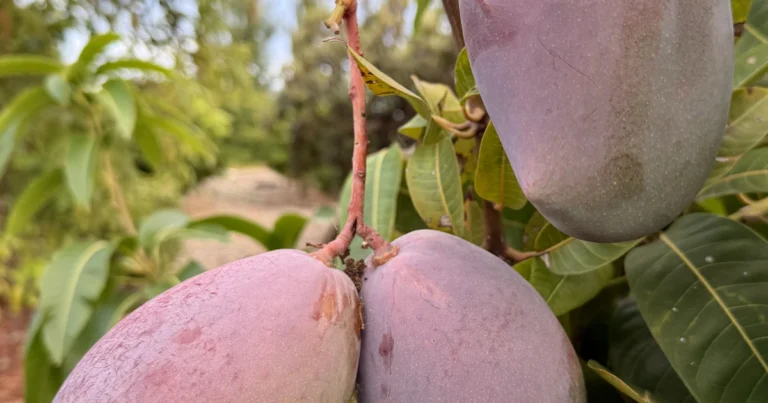
Peeled, pitted mango is safe for most dogs in small amounts. Learn portions by dog size and why the pit, skin and dried mango are a problem.

Yes, dogs can eat a small amount of plain coconut flesh. Learn about coconut oil, coconut water, shells and safe amounts.
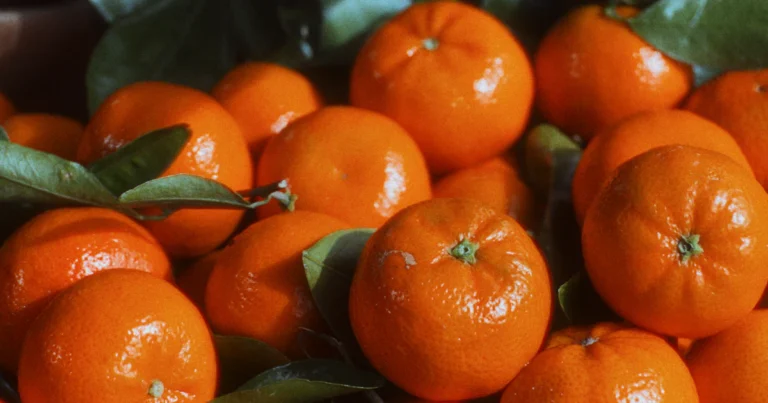
Can dogs eat tangerines and clementines? Yes, a few peeled, seedless segments are safe. Skip the peel and canned fruit in syrup. See portions.

Yes, dogs can eat ripe pear flesh in small amounts. Learn why you must remove the seeds and core, plus safe amounts and canned pears.
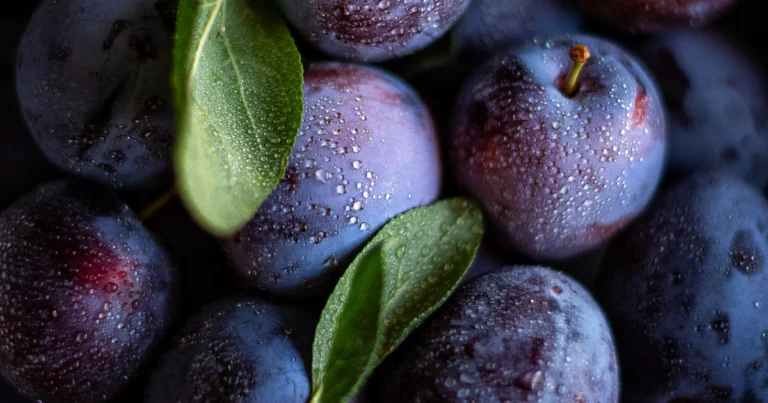
Only ripe plum flesh is safe for dogs in small amounts. The pit is a choking and blockage hazard and contains cyanide compounds.
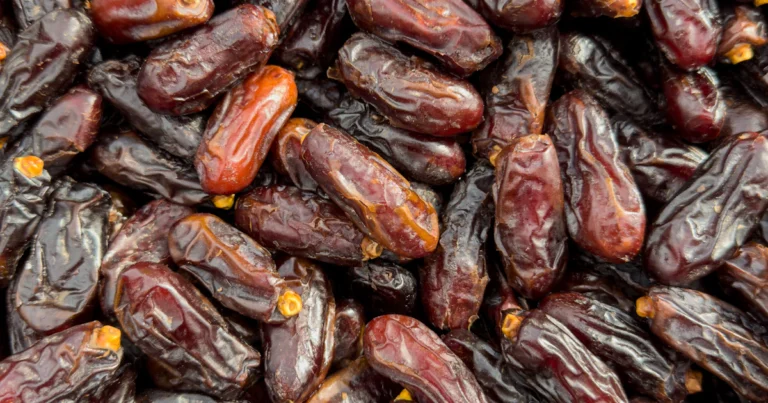
Dates are not toxic, but they are very high in sugar and the pit can cause a blockage. Learn safe amounts and what to do if your dog ate a pit.

Nectarine flesh is generally safe for dogs in small amounts, but the pit is dangerous. Learn how to serve it and what to do if your dog ate a pit.
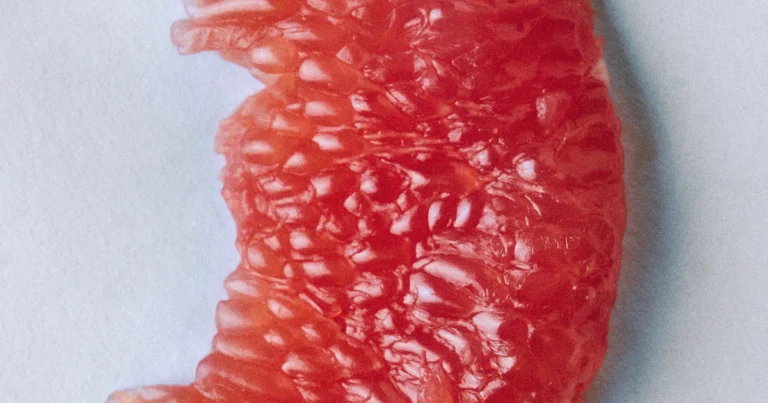
Grapefruit is not as dangerous as grapes, but the peel, pith and seeds can upset a dog. Here is what to know and what to feed instead.
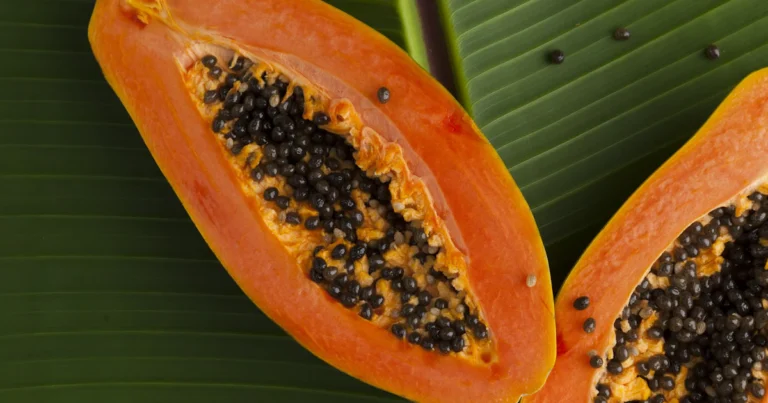
Ripe papaya flesh is generally safe for dogs in small amounts, but skin and seeds should be removed. Learn how to serve it safely.
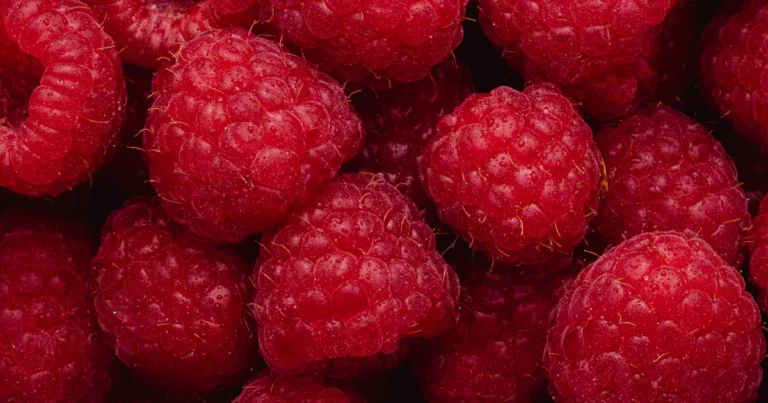
Yes, dogs can eat a few fresh raspberries. Learn about the small natural xylitol content, safe amounts and which raspberry products to avoid.