Can Dogs Eat Grapefruit? Peel, Pith & Safety Guide (2026)
Last updated: November 25, 2026
Veterinary reviewed by Dr Zahid Iqbal, DVM, MRCVS and Dr Fatih Bozbay, Veterinarian.
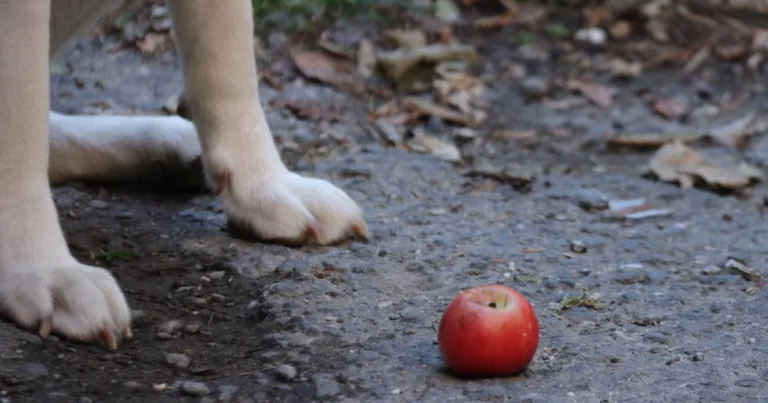
Photo by Kate Laine on Unsplash
Grapefruit is a breakfast fruit with a strong smell and an acidic taste. It is better to skip it for dogs. Grapefruit is not poisonous like grapes, and a tiny bite of flesh will usually not cause serious harm, but it is very acidic, and the peel, pith and seeds can cause vomiting or other problems.
This guide covers the risks, how different grapefruit forms compare and the difference between the flesh and the peel, rind and seeds.
Quick answer: It is better to skip it. Grapefruit is not poisonous like grapes, and a tiny bite of flesh will usually not cause serious harm, but it is very acidic and the peel, pith and seeds can cause vomiting or diarrhea. Many vets suggest offering a gentler fruit such as blueberries or watermelon instead.
On this page
Do not confuse grapefruit with grapes. The two are unrelated, and grapefruit does not carry the kidney danger that grapes do.
Even so, grapefruit is not a fruit many vets recommend for dogs. Here is why, and what to do if your dog ate some.
Can dogs eat grapefruit?
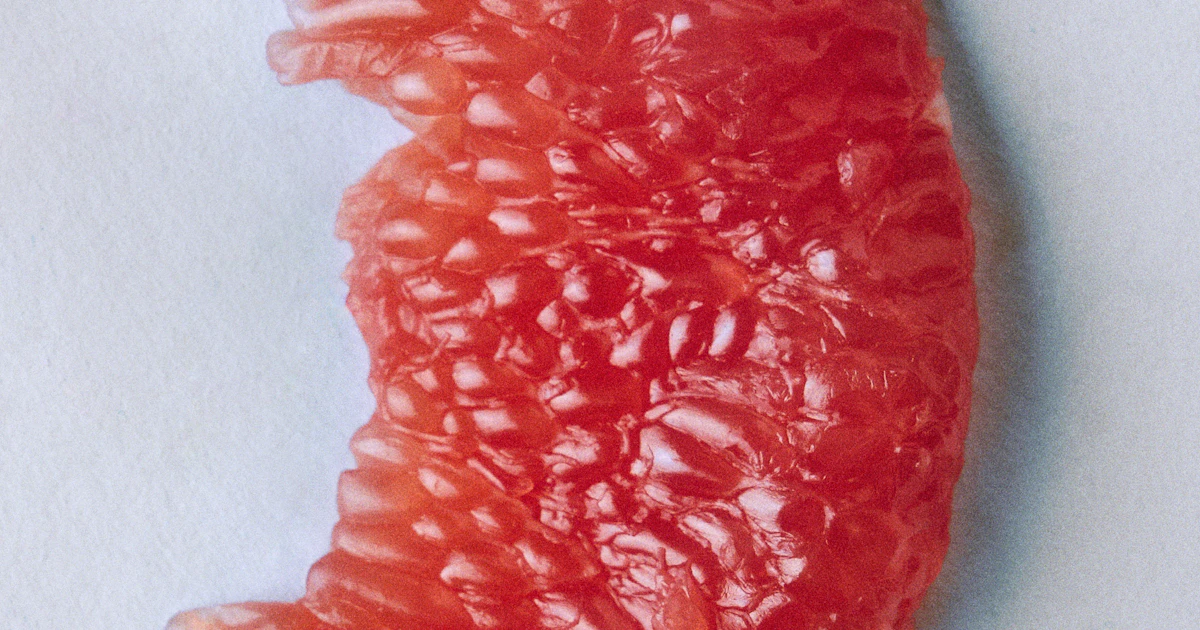
The flesh of a grapefruit is not toxic to dogs in the way chocolate or grapes are. A small bite of ripe flesh is unlikely to cause lasting harm. The trouble is that grapefruit is one of the more acidic and bitter citrus fruits, and most dogs do not like it.
The peel, the white pith and the seeds are the bigger concern. Citrus peel contains essential oils and plant compounds that can irritate a dog’s stomach and, in larger amounts, cause more serious symptoms.
Because dogs gain little from grapefruit and there are many gentler fruits to choose from, the easy answer is to skip it.
If your dog does steal a segment, remove any peel and seeds you can reach, give fresh water, and keep an eye on the stomach for the rest of the day. Most dogs that eat a small piece of flesh have no problem, but the fruit is not worth offering on purpose.
Risks to know
These are the main issues with grapefruit:
- Acidity. Grapefruit can cause stomach upset, with drooling, vomiting or diarrhea.
- Peel and pith. They contain citrus oils and compounds such as psoralens that can irritate the gut. Large amounts can lead to stronger symptoms such as lethargy or tremors.
- Seeds. They are a choking risk and can contain compounds that are not good for dogs.
- Sugar. Even though it is tart, grapefruit contains sugar, which is not ideal for diabetic or overweight dogs.
- Medications. Grapefruit affects how some medicines are processed in people. Ask your vet if your dog takes medication and has eaten grapefruit.
Grapefruit forms compared
| Form | Safe? | Notes |
|---|---|---|
| Grapefruit flesh | Not recommended | A tiny bite is unlikely to harm, but it is acidic and not worth offering. |
| Grapefruit peel or pith | No | Contains citrus oils that irritate the stomach. |
| Grapefruit seeds | No | Choking risk and not good for dogs. |
| Grapefruit juice | No | Concentrated acid and sugar. |
| Canned grapefruit | No | Usually packed in syrup or juice with added sugar. |
| Grapefruit essential oil | No | Concentrated oils can be harmful if licked or inhaled. Keep away from dogs. |
Flesh versus peel, rind and seeds
PetMD says grapefruit flesh is not toxic, but the peel, rind and seeds are toxic because they contain psoralen, and that the rind can also cause an intestinal blockage. The AKC says the skin and rind are toxic because of the natural essential oils they contain. Hepper says rinds and other parts of the plant are toxic and mentions psoralens and essential oils together. Chewy’s plant list likewise says grapefruit skin and plant parts are toxic while the fruit is not.
What toxicity can look like: sources differ
PetMD says the toxin can cause kidney failure, excessive sensitivity to light and GI problems. Hepper, citing the ASPCA, lists vomiting, diarrhea, depression and dermatitis. Hepper’s lemon guide adds that while psoralen plus sunlight can irritate skin, the authors found no reports of that happening in dogs from eating lemons. So the severity described varies by source, and the safe takeaway is to keep peel away from the dog.
Why the flesh still is not a good snack
The AKC’s Dr. Klein says grapefruit can be very irritating to a dog’s gut, partly because of the citric acid. PetMD says even the flesh may upset some dogs at any amount and that grapefruit offers no nutritional benefit. Hepper says some dogs eat a few peeled segments fine while others have vomiting or diarrhea.
Other citrus: PetMD and Hepper differ on edges
PetMD says oranges, tangerines, clementines and mandarins do not pose the same risk as lemons, limes and grapefruits. The AKC says orange peels are not considered toxic but are hard to digest and can cause blockage, while Chewy says orange peels may be toxic in large amounts. If you want to share citrus at all, plain peeled orange or mandarin segments are the sources’ more comfortable choice.
Portions and the 10 percent rule
PetMD says all treats, including fruit, should be no more than 10 percent of daily diet, and that dogs with obesity, diabetes, bladder stones, allergies or GI disease should not be fed fruit without checking with a vet.
FAQ
Is grapefruit toxic to dogs?
Not in the way grapes are, but the peel, pith and seeds can make dogs sick, and the flesh is acidic. Most vets suggest avoiding it.
Can dogs eat grapefruit flesh?
A tiny bite is unlikely to cause serious harm, but there is no benefit, and it can upset the stomach.
What is the difference between grapefruit and grapes?
They are unrelated. Grapes and raisins can cause kidney failure in dogs, while grapefruit is a citrus fruit with different concerns.
Can dogs drink grapefruit juice?
No. Juice is acidic and sugary and has no benefit for dogs.
What fruit can I give instead?
Blueberries, watermelon without seeds or rind, and sliced apple without seeds are gentler choices in small amounts.
My dog ate grapefruit peel. What should I do?
Watch for vomiting, diarrhea, drooling or unusual tiredness. Call your vet if your dog ate a lot of peel or seems unwell.
Can dogs eat other citrus fruits?
Some can in tiny amounts. Oranges and tangerines flesh are milder than grapefruit, but the peel and seeds should still be avoided. See our guides to oranges and tangerines for details.
Is grapefruit juice safe for dogs?
The sources reviewed do not address juice directly. The flesh’s acidity is the concern, so there is no reason to offer it.
Are grapefruit seeds toxic to dogs?
PetMD says the peel, rind and seeds are toxic because of psoralen.
Why do some sources say grapefruit is fine?
Because the flesh is not toxic. The AKC and Hepper still say to avoid it because it is acidic and irritating.
Can dogs eat grapefruit plants or leaves?
Chewy’s plant list says grapefruit skin and plant parts are toxic, while the fruit is not.
Bottom line
Grapefruit is not as dangerous as grapes, but its acidity, peel and seeds make it a fruit most dogs are better off without. Offer a gentler fruit and call your vet if your dog ate a lot of peel.
I’m not a veterinarian. This article is general information and does not replace advice from your vet, especially for dogs with diabetes or digestive problems.
Related guides
- Can dogs eat oranges?
- Can dogs eat tangerines?
- Can dogs eat grapes?
- Can dogs eat blueberries?
- Can dogs eat watermelon?
References
- American Kennel Club (AKC), can dogs eat grapefruit
- PetMD, can dogs eat grapefruit
- ASPCA, citrus toxicity in dogs
- Pet Poison Helpline, citrus fruits
- PetMD, Can Dogs Eat Grapefruit? (psoralen, kidney failure)
- AKC, Can Dogs Eat Grapefruit? (essential oils, gut irritation)
- Hepper, Can Dogs Eat Grapefruit? (ASPCA signs)
- Hepper, Can Dogs Eat Lemons? (psoralen and sunlight)
- PetMD, Can Dogs Eat Lemons? (other citrus)
- AKC, Can Dogs Eat Oranges? (peel not toxic)
- Chewy, Can Dogs Eat Oranges? (peel oils)
- Chewy, 20 Most Common Plants Poisonous to Dogs (grapefruit skin)
- PetMD, What Fruits Can Dogs Eat? (10 percent)