Can Dogs Eat Pomegranate? Seeds, Peel & Juice (2026)
Last updated: November 25, 2026
Veterinary reviewed by Dr Zahid Iqbal, DVM, MRCVS and Dr Fatih Bozbay, Veterinarian.
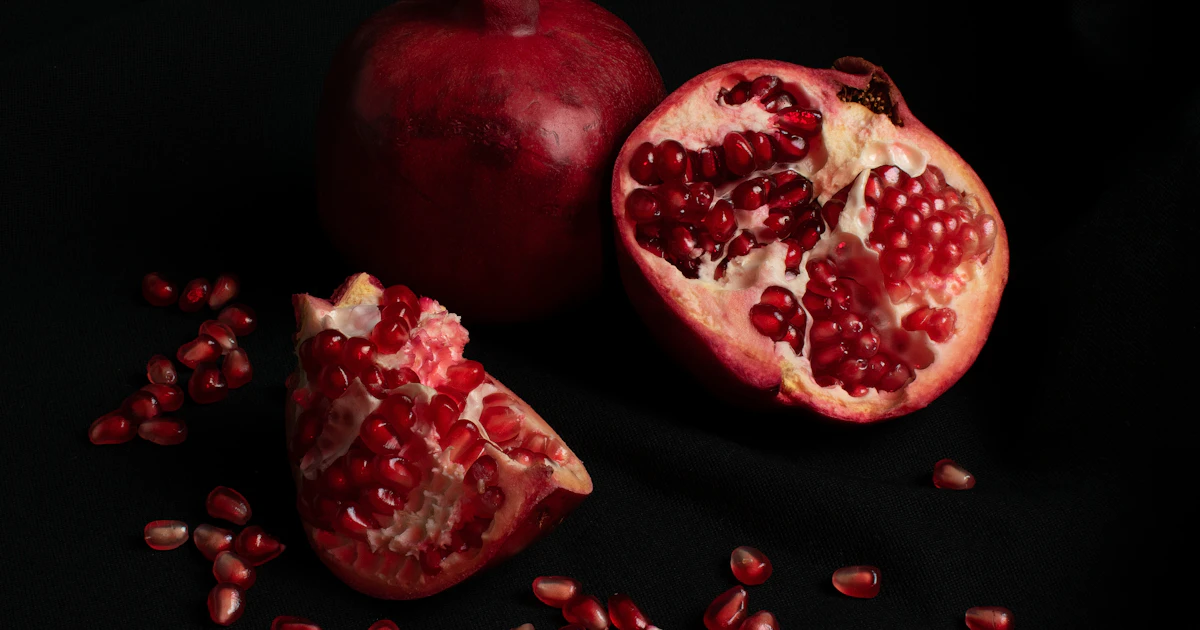
Photo by Margarita Zueva on Unsplash
Pomegranate seeds are bright, juicy and messy, which makes them attractive to a curious dog. A few seeds, called arils, are generally safe for most dogs as an occasional treat, but too many can cause an upset stomach with vomiting or diarrhea. The peel and pith are bitter and can irritate.
Below you will find the risks, how much pomegranate a dog can eat and how different pomegranate forms compare.
Quick answer: A few pomegranate seeds (arils) are generally safe for most dogs as an occasional treat, but too many can cause an upset stomach with vomiting or diarrhea. The peel and pith are bitter and can irritate the gut, and juice and sweetened products are very sugary. Keep portions small.
On this page
- Can dogs eat pomegranate?
- Risks to know
- How much pomegranate can a dog eat?
- Pomegranate forms compared
- How to serve it
- FAQ
Pomegranates are messy and tempting, and a dog that finds spilled seeds will often eat them without hesitation. A few seeds are rarely a problem.
Here is how pomegranate compares with other fruit, and where the limits are.
Can dogs eat pomegranate?
The juicy seeds, called arils, are not considered toxic to dogs. They contain some fiber and plant compounds, and a small handful is unlikely to harm a healthy dog.
The trouble starts with quantity and the other parts of the fruit. The tough peel and the bitter white pith can irritate the stomach, and the seeds themselves are fibrous and can cause loose stools in larger amounts.
Vet sources do not agree on this one. Some, such as Webvet, say a few plain arils are fine, while others, including PetMD, advise against pomegranate altogether. If you are unsure, the safe choice is to skip it.
Because dogs do not need the nutrients in pomegranate, it is an occasional treat only. There are gentler fruits, such as blueberries and watermelon, that most dogs handle better.
Risks to know
These are the things to watch for:
- Stomach upset. Too many seeds or any peel can cause vomiting or diarrhea.
- Peel and pith. They are tough, bitter and not easy to digest.
- Sugar. Pomegranate is a sweet fruit, and juice is concentrated sugar.
- Choking. The whole fruit can be a hazard for small dogs, and the seeds are small and slippery.
- Pomegranate products. Juices, syrups such as grenadine, and snack mixes may contain added sugar, alcohol or sweeteners.
- Allergic reactions, which are uncommon but possible.
How much pomegranate can a dog eat?
There is no official vet standard for pomegranate portions. These numbers are my own conservative estimates, offered occasionally.
Offer seeds plain and without any peel or pith. Stop if your dog develops loose stools, and skip it for dogs with diabetes or sensitive stomachs.
| Dog weight | Practical amount, occasionally |
|---|---|
| Under 10 lb (4.5 kg) | 1 to 2 teaspoons of seeds |
| 10 to 25 lb (4.5 to 11 kg) | 1 tablespoon of seeds |
| 25 to 50 lb (11 to 23 kg) | 1 to 2 tablespoons of seeds |
| 50 to 100 lb (23 to 45 kg) | 2 to 3 tablespoons of seeds |
| Over 100 lb (45 kg) | About 1/4 cup of seeds |
Pomegranate forms compared
| Form | Safe? | Notes |
|---|---|---|
| Fresh pomegranate seeds | Small amounts | Remove all peel and pith. |
| Pomegranate peel and pith | No | Bitter and hard to digest. |
| Whole pomegranate fruit | No | Choking risk and messy for small dogs. |
| Pomegranate juice | Not recommended | Concentrated sugar. |
| Grenadine or pomegranate syrup | No | Very sugary. |
| Pomegranate snack mixes or bars | Not recommended | May contain sugar, chocolate or xylitol. |
How to serve it
- Cut the fruit open and separate the seeds from the white pith.
- Rinse the seeds and discard all peel and pith.
- Offer a small spoonful of seeds as a treat.
- Keep your dog away from the rest of the fruit.
The first time, offer only a few seeds and watch for vomiting or loose stools over the next day before offering more.
Do sources agree? No
PetMD says dogs should not eat any part of fresh pomegranate, and the AKC says it is not recommended even though it is not toxic. Hepper says the opposite: dogs can eat pomegranates in moderation and that a dog who gobbles a whole one does not need an immediate vet trip. This is a real disagreement between sources, not a gap. PetMD and the AKC lean cautious while Hepper is more relaxed, so a stolen seed or two is not likely a crisis but nobody recommends feeding it.
Seeds
PetMD says the seeds are difficult to digest and can cause an intestinal blockage, but that one or two seeds off the floor are unlikely to cause much harm in a healthy adult. The AKC’s Dr. Klein says seeds can cause gastrointestinal issues, especially in moderate to high numbers since they do not break down easily, with diarrhea and vomiting most common and blockage possible. Hepper says the seeds are not poisonous but are highly acidic and may cause vomiting and diarrhea.
Peel, rind and stem
PetMD says the peel, rind and seeds can cause an obstruction, which can be a life-threatening emergency, and that the peel has trace amounts of cyanide but a dog would need to eat a lot. The AKC’s Dr. Klein says pieces of rind and stem can cause obstruction, especially in smaller dogs. Hepper says raw peels are tough to digest.
Chocolate-covered seeds and processed products
The AKC says to avoid chocolate-covered pomegranate seeds, since chocolate is toxic to dogs. PetMD says there are specially made dog foods and supplements containing pomegranate in amounts considered safe, but fresh raw fruit is a different matter.
Pomegranate extract in food
The AKC says a 2017 peer-reviewed study suggested pomegranate peel extract may aid digestive health in dogs, and that another study found pomegranate can slow lipid oxidation in dog food. Hepper also mentions studies on peel extract and hindgut fermentation. Both point to extracts, not fresh fruit, as the possible benefit.
FAQ
Are pomegranate seeds safe for dogs?
A small amount is generally safe, but large amounts can upset the stomach.
Can dogs eat pomegranate peel?
No. The peel is tough, bitter and can upset the stomach.
Is pomegranate juice safe for dogs?
It is better to avoid it. Juice is high in sugar and has none of the fiber found in the seeds.
Can pomegranate stain my dog’s fur or mouth?
The juice can stain light-colored fur and fabrics, so offer it in a place that is easy to clean.
Can dogs eat pomegranate every day?
No. Keep it as an occasional treat, since daily sugar and fiber can add up.
Can puppies eat pomegranate?
A few seeds are usually fine, but puppies have sensitive stomachs and do not need them.
Is pomegranate toxic to dogs?
The AKC’s Dr. Klein says no, but that does not make it safe to eat. PetMD says the risk is obstruction, not poison.
What if my dog ate a whole pomegranate?
PetMD says watch for vomiting or diarrhea and call the vet if the dog seems lethargic or disoriented. Hepper says do not panic, give plenty of water and monitor.
Can dogs have pomegranate juice?
The sources reviewed do not address juice, so there is nothing to support offering it.
Is pomegranate extract in dog food okay?
PetMD says some dog foods and supplements contain it in safe amounts, and the AKC describes studies on extracts.
Bottom line
A few plain pomegranate seeds are generally a safe occasional treat. Skip the peel, the pith, the juice and sweetened products, and stop if your dog’s stomach reacts.
I’m not a veterinarian. This article is general information and does not replace advice from your vet, especially for dogs with diabetes or digestive problems.
Related guides
- Can dogs eat blueberries?
- Can dogs eat cranberries?
- Can dogs eat watermelon?
- Can dogs eat raspberries?
- Can dogs eat cherries?
References
- American Kennel Club (AKC), can dogs eat pomegranate
- PetMD, can dogs eat pomegranate
- Chewy, can dogs eat pomegranate
- USDA FoodData Central, pomegranate nutrient data
- PetMD, Can Dogs Eat Pomegranate? (seeds, peel, obstruction)
- AKC, Can Dogs Eat Pomegranates? (rind, extract studies, chocolate)
- Hepper, Can Dogs Eat Pomegranates? (acidic seeds, peel)