Can Dogs Eat Blueberries? Safe Amounts & What to Avoid (2026)
Last updated: November 25, 2026
Veterinary reviewed by Dr Zahid Iqbal, DVM, MRCVS and Dr Fatih Bozbay, Veterinarian.
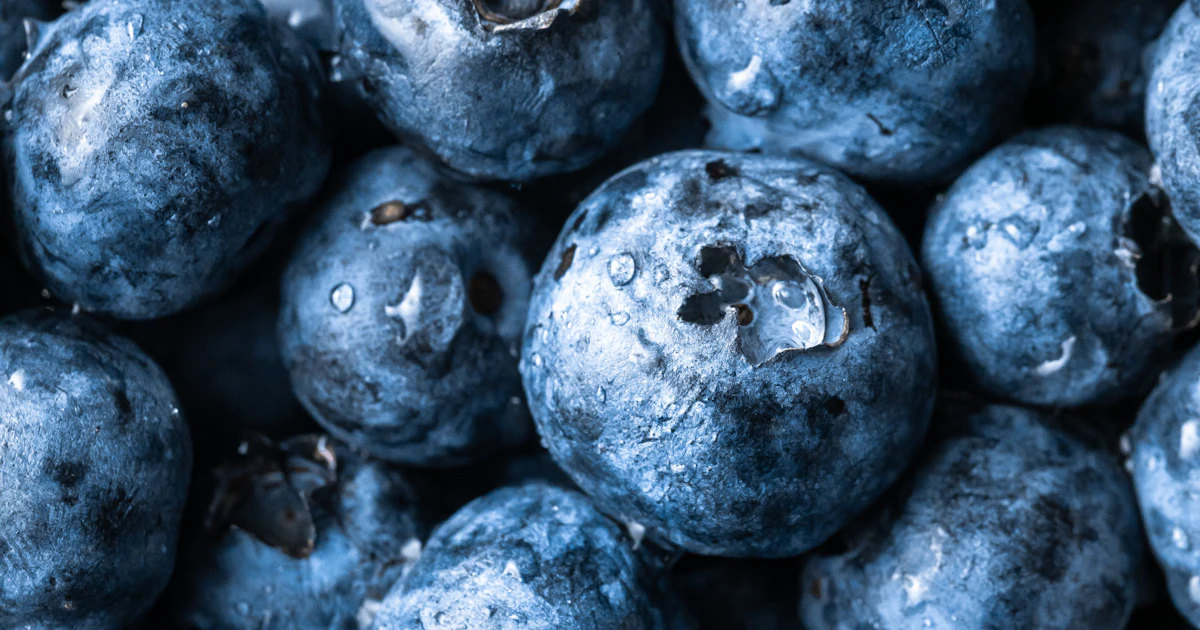
Photo by Melissa Belanger on Unsplash
Blueberries are one of the few treats that come naturally bite-sized, which makes them popular with owners who want something light for training or a quiet afternoon. They are non-toxic and low in calories, and most dogs take to them quickly.
Below you will find how many to offer for your dog’s size, how fresh, frozen and dried berries differ, and who should be careful.
Quick answer: Yes, dogs can eat blueberries. They are non-toxic, low in calories and a good bite-size treat. Offer plain fresh or frozen berries only: about 1 to 2 for a toy dog, 3 to 5 for a medium dog and up to 10 for a large dog per day. Skip muffins, sweetened yogurt and anything with added sugar or xylitol.
On this page:
- Are blueberries good for dogs?
- How many blueberries can a dog eat?
- Fresh, frozen, dried and blueberry foods
- Risks and who should be careful
- How to serve blueberries
- FAQ
Are blueberries good for dogs?
For most dogs, yes, as an occasional treat. Raw blueberries contain about 57 calories per 100 g, around 2.4 g of fiber and about 10 g of natural sugar (USDA). A single berry weighs roughly 1.5 g, which works out to about 1 calorie each. That makes blueberries a lighter choice than most store-bought biscuits, so they suit dogs that need to watch their weight.
Blueberries also contain antioxidants and vitamin C. They are a treat, not a supplement: a complete dog food already covers your dog’s nutrition, so there is no need to feed berries for health reasons.
How many blueberries can a dog eat?
Treats of all kinds should stay at or under about 10% of your dog’s daily calories. Blueberries are so light that portion size is limited more by stomach tolerance than calories: too many at once can cause loose stools because of the fiber and sugar. The ranges below follow the guidance from PetMD and WebVet, and are a daily ceiling, not a target.
For a 5 lb dog the whole treat budget is roughly 21 calories a day (see our guides on strawberries and apples for the same method), so a couple of blueberries leave plenty of room. The first time, offer one or two berries and wait 24 hours before giving more. If you also feed other fruit that day, count the total, and cut back if the stool gets soft.
| Dog weight | Blueberries per day (up to) | Approx. calories |
|---|---|---|
| 5 lb | 1 to 2 | about 2 |
| 10 lb | 1 to 2 | about 2 |
| 20 lb | 2 to 3 | about 3 |
| 35 lb | 3 to 5 | about 5 |
| 50 lb | 3 to 5 | about 5 |
| 75 lb | about 8 | about 7 |
| 100 lb | up to 10 | about 9 |
Fresh, frozen, dried and blueberry foods
| Form | OK for dogs? | Note |
|---|---|---|
| Fresh blueberries | Yes | Rinse well and remove stems and leaves. |
| Frozen blueberries | Yes | A cool treat. Plain and unsweetened only. Mash or let them soften for small dogs. |
| Dried blueberries | Only if plain | Dried fruit is concentrated in sugar and calories. Many packs have added sugar or preservatives. Give only a few. |
| Blueberry muffins, pancakes, pie, jam | No | High in sugar and fat. They can also contain raisins, chocolate or nuts. |
| Blueberry yogurt | No | Often sweetened. Some sugar-free versions contain xylitol, which is toxic to dogs. See is xylitol toxic to dogs. |
| Wild blueberries | Only if you are sure | Make sure they are really blueberries. Some wild berries are poisonous. |
Risks and who should be careful
- Stomach upset. Too many berries can cause gas, soft stool or diarrhea. Stop feeding them if this happens.
- Choking. The berries are small and round, and the stems are tough. This matters most for small dogs and dogs that gulp. Remove stems and mash or halve berries for tiny dogs.
- Added sugar and xylitol. The real danger is in products flavored with blueberry, not the fruit itself. Read the ingredient list on any blueberry food.
- Dogs on special diets. If your dog has diabetes, kidney disease or a prescription diet, ask your vet before adding any treat.
- Allergy. Rare, but stop and call your vet if you see itching, hives, vomiting or swelling after eating them.
How to serve blueberries
- Serve a few plain berries as a training treat or a topper on regular food.
- Freeze them for a cool treat on a hot day.
- Mash a few and stir them into your dog’s food or spread them on a lick mat.
- Pre-portion the day’s berries so everyone in the family does not add their own handful.
Looking for more safe fruit? See bananas and watermelon. Avoid grapes and raisins, which are toxic.
FAQ
Can dogs eat blueberries every day?
Many dogs can have a small number daily as long as the portion stays within the table above and their stool stays normal. Rotating different safe treats is also a good habit.
Can puppies eat blueberries?
Yes, in very small amounts. Puppies have more sensitive stomachs, so start with one berry and watch for vomiting or diarrhea.
Can dogs eat frozen blueberries?
Yes. Make sure they are plain and unsweetened. For small dogs, let them thaw slightly or mash them to lower the choking risk.
Can dogs eat dried blueberries?
Plain dried blueberries without added sugar are acceptable in tiny amounts, but fresh or frozen berries are a better choice because dried fruit is much more concentrated in sugar and calories.
Can dogs eat blueberry yogurt or muffins?
No. They are high in sugar, and some sugar-free yogurts contain xylitol, which is poisonous to dogs.
My dog ate a whole punnet of blueberries. What now?
Blueberries are not toxic, so the most likely result is gas or diarrhea. Offer water and watch your dog. Call your vet if there is repeated vomiting, a swollen belly, severe diarrhea or lethargy, or if the berries came from a product with other ingredients.
Bottom line
Plain blueberries are one of the easiest safe treats for dogs: low in calories, bite-sized and well tolerated. Keep the portion small, remove stems, and stay away from sweetened blueberry foods.
PawFoodCheck is not a veterinary service. This article is general information and does not replace advice from your own veterinarian, who knows your dog’s health history.
Related guides
- Can dogs eat cantaloupe?
- Can dogs eat kiwi?
- Can dogs eat plums?
- Can dogs eat raspberries?
- Can dogs eat blackberries?
- Can dogs eat pancakes?
References
- USDA FoodData Central, blueberries, raw
- PetMD, Can Dogs Eat Blueberries?
- WebVet, Can Dogs Eat Blueberries? (reviewed by the WebVet Veterinarian Team)
- Hill’s Pet Nutrition, Can Dogs Eat Blueberries?
- American Kennel Club: Can Dogs Eat Blueberries? (safe in moderation, benefits and feeding tips)
Quick reference: see our Dog Food Safety Chart for a one-page list of toxic and usually safe foods for dogs.