Can Dogs Eat Watermelon? Seeds, Rind, Portions & Frozen Tips
Last updated: November 25, 2026 · Sources are listed at the bottom. How we research
Veterinary reviewed by Dr Zahid Iqbal, DVM, MRCVS and Dr Fatih Bozbay, Veterinarian.
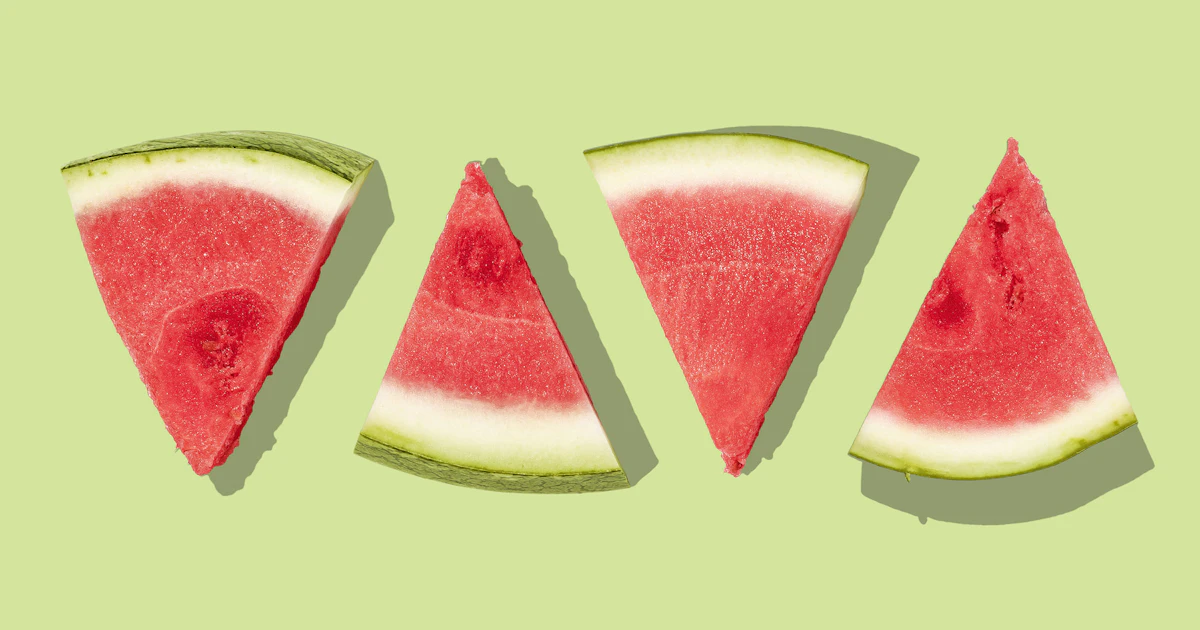
Photo by Shamblen Studios on Unsplash
Watermelon is the classic summer snack, and a dog sitting beside the picnic blanket is a familiar sight. The red flesh is safe for most dogs as an occasional treat. The problems come from the rind and the seeds, not from the fruit itself.
Here is how to prepare it, how much is reasonable and which parts to leave out.
Quick answer: Yes. The red flesh of watermelon is safe for most dogs as an occasional treat. It is low in calories (about 30 kcal per 100 g) and mostly water. The danger is not the fruit but the rind and the seeds, which can choke a dog or block its gut. Cut the flesh into small pieces, remove the rind and all black seeds, and keep it to a few pieces, two or three times a week.
- Safe: seedless watermelon flesh in small pieces, fresh or frozen
- Remove first: black seeds, and the white seed pieces where you can
- Never: the rind, and watermelon drinks or sweets that contain xylitol or alcohol
- Ask your vet first: diabetes, obesity, a past pancreatitis or a prescription diet
Jump to: Flesh, seeds & rind · How much · How to serve it · Who should skip it · Ate the rind · FAQ
Is watermelon safe for dogs?
Yes, plain watermelon flesh is safe. Webvet’s vet-reviewed guide (medically reviewed by Dr. Athena Gaffud, DVM, in August 2026) describes it as an optional, low-risk treat as long as the calories fit your dog’s whole diet, and notes that only the rind and seeds cause trouble. It is not poisonous.
Calories. The USDA lists raw watermelon at about 30 kcal per 100 g, and a cup of diced watermelon (152 g) is about 46 kcal. It is roughly 91% water, with about 6 g of natural sugar per 100 g and almost no fat.
It is a treat, not a need. Dogs get what they need from a complete dog food. Watermelon is not required for hydration, vitamins or weight control, and it should never replace a bowl of fresh water.
Too much. The most common problem is simply a loose stool from the extra water and sugar. A new food can also cause gas, vomiting or a drop in appetite in some dogs.
Watermelon flesh, seeds and rind
These are tiny amounts. By our estimate each piece weighs about 4 g, so even the largest serving is only around 25 g, or under 10 kcal. That is far below the calorie limit for treats, which means your dog’s stomach, not calories, sets the real limit. Offer one piece the first time and watch for loose stool over the next day. Dogs on a diet for diabetes or weight need a vet’s advice first.
| Part or product | Verdict | What to know |
|---|---|---|
| Red flesh (seedless) | Safe | Cut into small pieces. Best choice. |
| Flesh with black seeds | Remove the seeds | A few swallowed seeds are usually harmless, but many seeds can block the gut or choke a small dog. PetMD adds that seeds hold only trace amounts of cyanide, and poisoning is very unlikely. |
| Soft white seeds in “seedless” melons | Small amounts | Thin and soft, but a vet-reviewed guide on Hepper says a lot of them could upset the stomach. Pick out the ones you can see. |
| Rind (green and white skin) | Never | Tough and hard to digest. It can cause choking, stomach upset or a blockage. |
| Frozen watermelon pieces | Safe | A cooling treat in hot weather. Use small pieces, not big hard chunks, and watch dogs that gulp. |
| Watermelon juice, smoothies, sweets, drinks | Check the label | Added sugar is a problem, and sugar-free products may contain xylitol, which is highly toxic to dogs. |
| Watermelon with salt, chilli powder or alcohol | Never | Seasonings and alcohol are not safe for dogs. |
How much watermelon can a dog eat?
PetMD, in an article reviewed by Jennifer Coates, DVM, suggests small pieces about 1 inch by 1 inch by 1/4 inch (roughly 2.5 cm by 2.5 cm by 6 mm), two to three times a week. Treats of all kinds should stay under 10% of daily calories.
| Dog weight | Pieces per serving (1 x 1 x 1/4 inch) |
|---|---|
| Extra small (2 to 10 lb) | 2 to 3 |
| Small and medium (11 to 50 lb) | 3 to 4 |
| Large (51 to 90 lb) | 4 to 5 |
| Extra large (91 lb and up) | 5 to 6 |
How to serve watermelon safely
- Wash the outside of the melon before cutting, so dirt from the skin does not drag into the flesh.
- Cut away every bit of the rind, including the pale green-white layer.
- Take out the black seeds and any thick white seed pieces.
- Cut the flesh into small pieces, or scoop small balls.
- Serve fresh, or freeze the pieces for a cool treat. You can also mash a little into your dog’s meal.
Keep the rest of the melon out of reach. Many dogs will happily eat a whole slice with the rind, which is how most problems start.
Which dogs should be careful with watermelon
- Dogs with diabetes or obesity. Watermelon has natural sugar, so the amount needs a vet’s decision.
- Dogs with a history of pancreatitis or digestive disease. Ask your vet before adding treats.
- Dogs on a prescription or medical diet. Only add it if your vet approves.
- Small dogs and fast eaters, who are at the highest risk from seeds and rind. Use very small pieces.
- Puppies. The guidance we found does not cover puppies specifically, so ask your vet first and keep pieces tiny.
Watermelon also does not treat overheating. If your dog is panting heavily, drooling, weak or collapsing in the heat, that is an emergency: move to shade, offer cool (not ice-cold) water and call your vet straight away.
My dog ate watermelon rind or seeds. What now?
A few seeds. A handful of swallowed seeds is not likely to cause a blockage by itself. Watch for vomiting, belly pain or a change in appetite, and call your vet if you see them, or if your dog ate a lot of seeds.
A piece of rind. Call your vet, especially for a large piece or a small dog. Tell them the size of the piece, whether it was chewed and when it was eaten. Do not try to make your dog vomit or give home remedies unless a vet tells you to.
Go to a vet promptly if you see: choking, repeated vomiting, a painful or swollen belly, weakness, collapse, blood, or if your dog cannot eat or drink normally. In the US you can also call the ASPCA Animal Poison Control Center at (888) 426-4435 or Pet Poison Helpline at (855) 764-7661 (a consultation fee may apply), for example if a product with xylitol or alcohol was eaten.
Frequently asked questions
Can dogs eat watermelon every day?
It is better not to. PetMD suggests two to three times a week at most, and the extra water and sugar can loosen stools.
Can dogs eat watermelon seeds?
Remove them. A few swallowed by accident are usually harmless, but many seeds can cause a blockage, and they can choke small dogs.
Are watermelon seeds poisonous to dogs?
Seeds contain trace amounts of cyanide, but a dog would need to eat a very large number of them to be poisoned, so the realistic risk is choking or a blockage.
Can dogs eat watermelon rind?
No. It is tough, can choke a dog and can block the gut.
Can dogs eat frozen watermelon?
Yes, in small pieces. It makes a cooling treat in hot weather.
Can dogs with diabetes eat watermelon?
Ask your vet first. It contains natural sugar, so the decision depends on your dog.
Can puppies eat watermelon?
Ask your vet first, and give only tiny seedless pieces.
Why did my dog get diarrhea after watermelon?
Most often it was too much at once. The water and sugar loosen the stool. Stop the extra, and call your vet if it is severe, lasts more than a day or comes with vomiting.
Can diabetic dogs eat watermelon?
Watermelon is mostly water but it contains natural sugar, so ask your vet before offering it to a diabetic dog.
What are the signs of too much watermelon?
Too much can cause diarrhea, gas or an upset stomach. Swallowed rind or seeds can also cause a blockage in some dogs, so call your vet if you see repeated vomiting, a swollen belly or loss of appetite.
The bottom line
Seedless watermelon flesh is a safe, low-calorie treat for most dogs. Remove the rind and seeds, cut it small, keep it to a few pieces a couple of times a week, and ask your vet first if your dog has diabetes, weight problems, a history of pancreatitis or a special diet.
This article is general information and does not replace advice from your own veterinarian. I am not a veterinarian. See our disclaimer.
Related guides
References
- Webvet: Can Dogs Eat Watermelon? (medically reviewed by Dr. Athena Gaffud, DVM; rind, seeds, calories, what to do after rind)
- PetMD: Can Dogs Eat Watermelon? (reviewed by Jennifer Coates, DVM) (serving sizes, seeds and cyanide, rind, diabetes)
- Hepper: Can Dogs Eat Watermelon? (vet-approved; white seeds in seedless melons, rind)
- USDA FoodData Central: watermelon, raw (FDC ID 167765)