Can Cats Eat Pineapple? Safety, Risks and Serving Tips
Last updated: November 25, 2026. Sources are listed at the bottom.
Veterinary reviewed by Dr Zahid Iqbal, DVM, MRCVS and Dr Fatih Bozbay, Veterinarian.
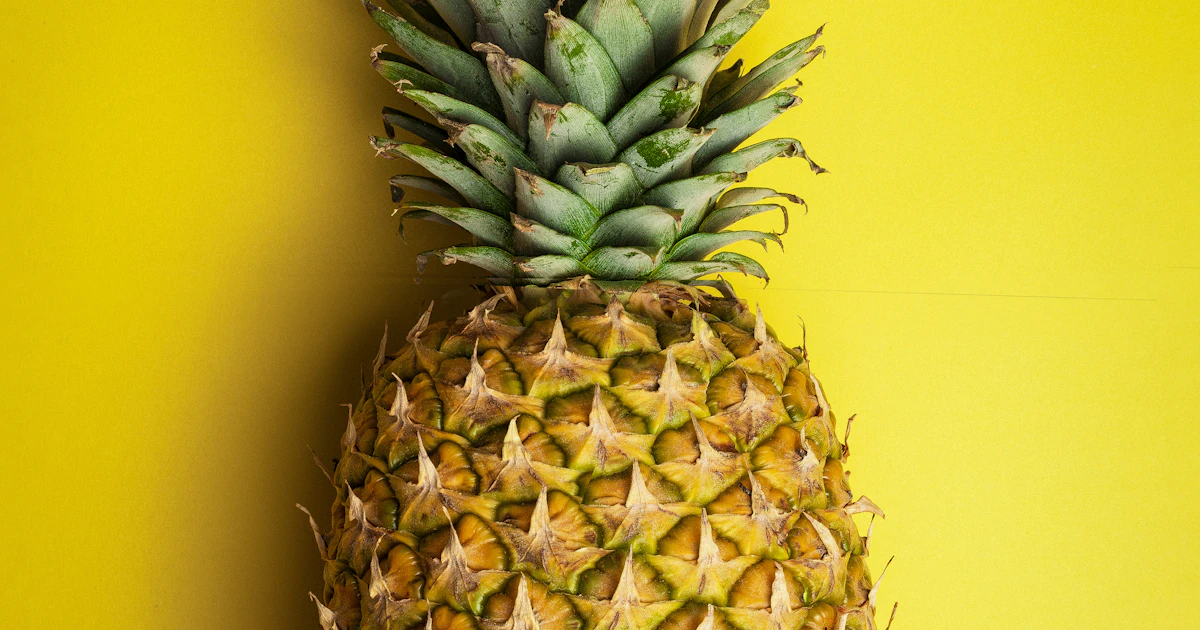
Photo by Stephany Williams on Unsplash
Your cat sniffed your fruit plate and now you are wondering whether pineapple is okay to share. It is not on the list of poisonous foods for cats, but that does not make it a good everyday snack.
Cats are obligate carnivores, so fruit is never a nutritional need. Here is how to share pineapple safely, and when to skip it.
Plain fresh pineapple is not toxic to cats, but cats do not need it. Offer a small piece as an occasional treat at most, and skip the core, rind, leaves and canned pineapple in syrup.
Is pineapple safe for cats?
Chewy’s veterinary education team says cats can eat a small amount of fresh pineapple, but it should stay in treat territory and never crowd out a complete and balanced cat food. PetMD also lists fruit as an occasional treat only, and notes that cats with diabetes should not be given fruit because of the sugar.
How much pineapple can a cat have?
Very little: one or two small, bite-sized pieces, now and then. A common guideline is that treats of any kind should be a small part of the daily calories, and this is one reason to keep portions tiny. Watch your cat for 24 hours after the first taste, and stop if you see vomiting or diarrhea.
What to avoid
- Core and rind: tough and hard to digest; they can cause choking or a blockage if swallowed.
- Canned pineapple: often packed in syrup or juice with extra sugar.
- Unripe pineapple: may upset the stomach.
- Pineapple products: pizza, desserts and sweetened drinks can contain other ingredients that are bad for cats.
Pineapple plant leaves
Catster’s vet-reviewed article says pineapple leaves are not considered toxic, but the sharp, stiff points are not digestible and are not a good snack. Keep the plant tops away from a cat that likes to chew greenery.
Why pineapple has so little cat-specific evidence
WebVet points out that direct feline pineapple-feeding data are limited, plain ripe pineapple is not a recognized common poison for cats, and no universal serving or health benefit has been established. Cats also have no dietary requirement for fruit, so anything you give is purely optional.
How much is a safe taste?
Keep it very small. PangoVet suggests no more than 1 to 2 teaspoons, about once every 1 to 2 weeks, but a pea-sized piece is plenty to find out whether your cat likes it. Count it within the 10 percent treat limit.
Skin, core and leaves
The spiky skin, leaves and tough fibrous core are the real hazards. WebVet says a cat chewing them can choke, or if pieces are swallowed, develop an intestinal blockage. PangoVet adds that the spikes can hurt the mouth. Offer only a small piece of soft, ripe flesh.
Canned, dried and juice
Canned pineapple in syrup adds sugar and preservatives, so PangoVet advises against it. WebVet says to check any canned, dried or juice product for syrup, sweeteners and extra ingredients. Fresh and plain is the only form worth offering.
Vitamin C and other claims
Pineapple is often praised for vitamin C, but PangoVet notes cats do not need dietary vitamin C. Claims about bromelain helping cats are not backed by solid cat studies, so do not feed it for health reasons.
Sugar, acid and a sensible serving
Fresh pineapple is about 86% water but is fairly high in sugar and acidic. One retailer suggests one or two bite-sized pieces once or twice a week, while another says one to two small pieces at a time. Either way, pick the lower figure and keep it within the 10% treat limit.
Bromelain: helpful or hype?
Pineapple contains bromelain, an enzyme with anti-inflammatory properties that is not poisonous to cats. Eating a few pieces does not turn it into a supplement, and in some animals bromelain can still upset the stomach, so treat it as a curiosity, not a remedy.
Pineapple leaves and houseplants
The leaves are not toxic but are tough, waxy and almost indigestible, so a cat that chews on them could risk a blockage. Plants in the bromeliad family are listed as non-toxic, but they should still be kept out of reach.
Frequently asked questions
Can cats eat canned pineapple?
It is not a good choice. Canned pineapple is often packed in syrup or juice that adds sugar. If you ever offer it, it should be plain fruit in water, rinsed, in a tiny amount.
Can cats drink pineapple juice?
No. Juice is concentrated sugar without the fiber and gives a cat nothing it needs. Fresh water is the right drink.
Can kittens eat pineapple?
Kittens have sensitive stomachs and need kitten food for growth. It is best to skip pineapple and ask your vet before offering any new food.
Do cats like pineapple?
Some are curious about it, many ignore it. Cats cannot taste sweetness well, so it is more likely the texture or smell that interests them. Never force it.
Can diabetic cats have pineapple?
PangoVet notes pineapple is high in sugar, which is a problem for diabetic cats. Skip it unless your own vet advises otherwise.
Can cats eat pineapple leaves?
They are not poisonous, but they are indigestible and best kept away from your cat.
Are bromeliad plants toxic to cats?
Bromeliads are listed as non-toxic, though spiky or tough leaves can still cause mouth irritation or tummy trouble.
Does pineapple help a cat that eats dry food?
It adds a little moisture, but wet cat food and fresh water are far better ways to raise a cat’s fluid intake.
PawFoodCheck is not a veterinary service. This article is general information and does not replace advice from your own veterinarian.