Can Cats Eat Mango? Pit, Peel and How Much
Last updated: November 25, 2026. Sources are listed at the bottom.
Veterinary reviewed by Dr Zahid Iqbal, DVM, MRCVS and Dr Fatih Bozbay, Veterinarian.
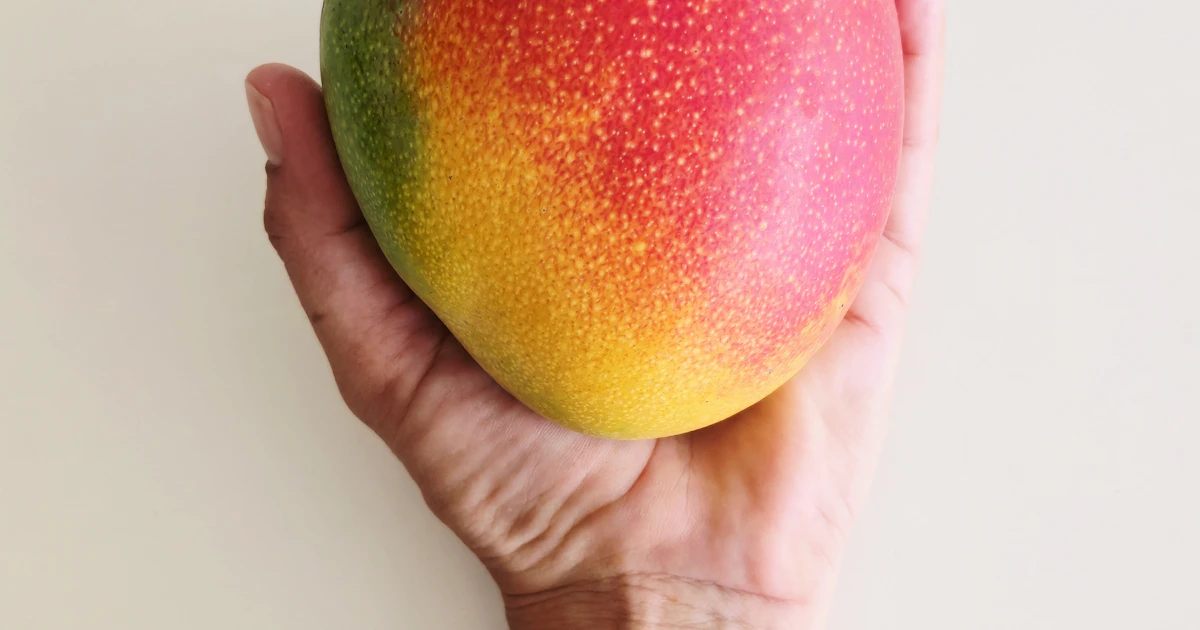
Photo by Estela Estevez on Unsplash
Mango is a favorite with people, so it is natural to wonder if your cat can share. The flesh is safe in small amounts; the pit and peel are the parts to watch.
Here is how to offer mango safely.
Mango is not toxic, but it is sugary and cats do not need it. Peel it, remove the pit, and skip dried mango.
Is mango safe for cats?
Chewy says cats can safely have a small amount of fresh mango, but it is high in natural sugars and best kept as a treat. Cats.com agrees that mango is non-toxic but should not be a significant part of the diet. PetMD notes that cats with diabetes should not be given fruit because of the sugar.
Pit and peel
Chewy warns that mango pits and peels are hard to chew and digest and can increase the risk of choking or intestinal blockage. Purina’s tips are to remove the seeds, not let your cat eat the peel, and cut the flesh into small cubes.
How much?
A few very small pieces is plenty, according to Cats.com, and too much can cause stomach upset or weight gain. Chewy lists vomiting and diarrhea as signs of eating too much. Offer one tiny piece first and watch for stomach upset.
Dried mango and mango products
Chewy says cats should not eat dried mango, because the sugar is more concentrated. The same goes for mango juice, smoothies and desserts.
Why mango needs tiny portions
Chewy calls mango one of the highest-sugar fruits and says portions should be tiny, with the skin and pit always removed. It is an occasional treat only, and it counts inside the 10 percent treat limit.
Skin, pit and what to look out for
The pit is a choking and blockage risk for a cat, and some sources add that it contains cyanogenic compounds. I could not find a strong veterinary source quantifying that for mango, so treat it simply as never to be offered. Skin can carry pesticide residue, so peel the fruit and serve a small cube of flesh.
Quality of the information
Much of what is online about cats and mango is thin or copied. The only widely consistent guidance is small amount, no skin, no pit, and nothing added like sugar or cinnamon.
Sugar is the real trade-off
Mango flesh is not toxic, but it is high in sugar and low in protein, which is the opposite of what an obligate carnivore needs. Eating it often can add calories and contribute to weight gain, so it should be rare and tiny. Cats that are overweight or diabetic are better off without fruit.
Skin and pit
The skin can cause stomach irritation and may carry pesticide residue, and the pit is a choking and blockage hazard. Some sources also mention cyanogenic compounds in the pit, though how serious that is for cats is not well supported by strong veterinary sources, so the pit is simply best thrown away.
Dried, canned and syrup-packed mango
Dried and canned mango concentrate the sugar and can include added sweeteners, dyes or syrup. Only plain fresh mango, washed, peeled and cut into small pieces, is worth considering.
A realistic way to offer it
One or two small cubes occasionally is the most any source suggests, and a cat that gets diarrhea or vomiting afterward should not get it again.
Mango and vitamin C
Mango is often praised as a vitamin C food, but cats do not need it for that. Hepper and Catster both say cats make their own vitamin C, and Chewy adds that cats also cannot convert beta-carotene into vitamin A. Catster warns that an excess of vitamin C might build up and contribute to kidney or bladder stones, which is one more reason it keeps mango to an occasional treat.
Do the benefits matter? Sources disagree
PetMD describes mangos as rich in fiber and vitamins C, B6 and A, and says they support digestion, immune health and the skin and coat. Hepper takes a cooler view, saying mango is not particularly nutritious for cats because it is low in protein and high in sugar and carbohydrate, and that the small amounts a cat should eat are unlikely to bring a significant benefit. Catster agrees that a cat eating a small piece will not get enough to benefit, and Chewy lists only a little fiber, antioxidants and hydration.
Portion sizes from different sources
Hepper says up to a tablespoon, given occasionally, will not upset the regular diet. Chewy suggests one or two bite-sized pieces once or twice a week and calls mango one of the highest-sugar fruits, so portions should stay tiny. PetMD adds that all fruit should be limited to no more than 10 percent of the diet.
Frequently asked questions
Can cats eat frozen mango?
Only thawed, peeled and in tiny pieces. Very cold hard chunks can be a choking risk.
Can kittens eat mango?
Better to skip it and stick to kitten food. Ask your vet before offering new foods.
Do cats like mango?
Some are curious, many ignore it. Cats.com notes cats cannot taste sweetness well.
Can cats eat mango with the skin?
No. Chewy advises removing both skin and pit. The peel is hard to digest and can be a choking hazard.
Is dried mango safe for cats?
It is not recommended because the sugar is more concentrated and added ingredients vary.
PawFoodCheck is not a veterinary service. This article is general information and does not replace advice from your own veterinarian.
Does mango give cats vitamin C?
It can, but cats do not need it. Hepper says cats produce their own vitamin C, so they do not require it in the diet the way people do.
Is mango toxic to cats?
No. Hepper lists mango as non-toxic and not commonly allergenic, though it is not a species-appropriate food and should be an occasional treat only.
Can diabetic cats eat mango?
No. Hepper says a diabetic cat should not be given high-sugar treats such as mango, and PetMD says cats with diabetes should not be given fruit because of its sugar.