Can Cats Eat Pumpkin? Plain Canned vs Pie Filling
Last updated: November 25, 2026. Sources are listed at the bottom.
Veterinary reviewed by Dr Zahid Iqbal, DVM, MRCVS and Dr Fatih Bozbay, Veterinarian.
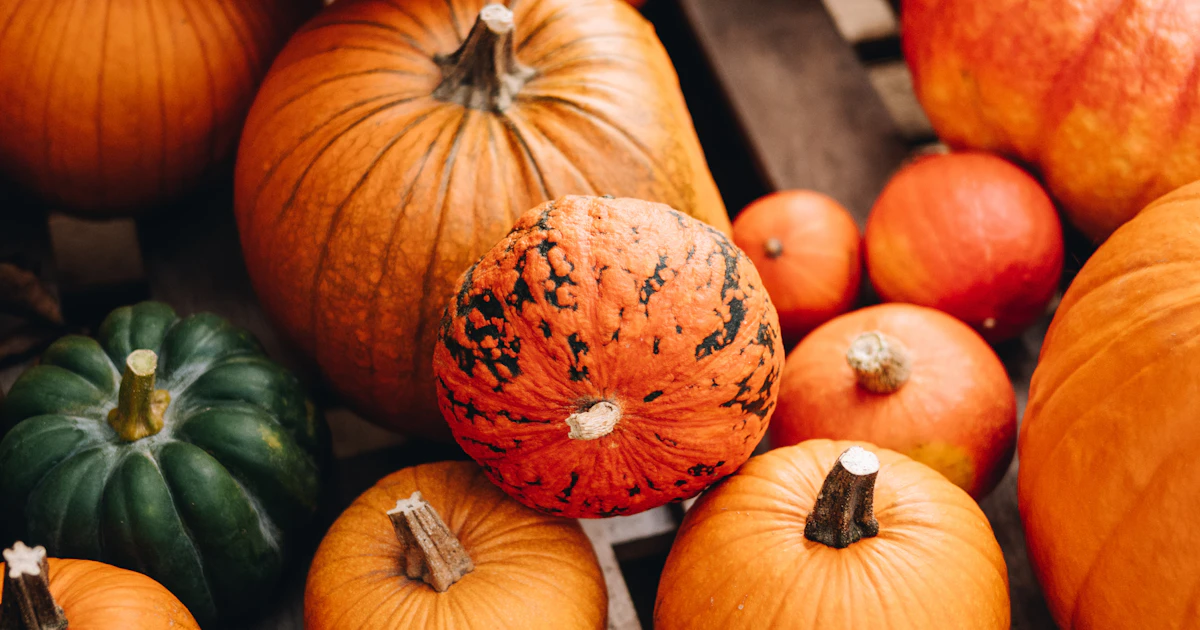
Photo by serjan midili on Unsplash
Pumpkin is one of the few human foods that vets often mention for cats, mainly for its fiber and water. The catch is that it must be 100 percent plain.
Here is how to choose the right can and how much to offer.
Plain cooked or canned pumpkin with no sugar, salt or spices is fine in small amounts. Never give pumpkin pie filling, which has sugar and spices.
Which pumpkin is safe?
Great Pet Care says to use plain canned pumpkin puree and not pumpkin pie filling, which contains sugar and other ingredients cats should not eat. Catster adds that cooked flesh is fine, but the skin should not be fed. Always check the label: the only ingredient should be pumpkin.
How much?
PangoVet’s vet-reviewed guide says to keep it plain, unsweetened and fully cooked, and never let pumpkin make up more than 10 percent of daily calories. A teaspoon or so mixed into the regular food is a common starting point. Too much can upset the stomach, as Catster notes.
Pumpkin for diarrhea or constipation
Cats.com says the fiber can help firm up stool and add moisture, but if diarrhea persists or constipation does not resolve, you should seek veterinary advice. Pumpkin is not a treatment, and a cat that keeps vomiting, strains, or stops eating needs a vet.
Pumpkin seeds and pie
Great Pet Care says seeds can be a choking hazard and should be ground or chopped. Pumpkin pie and spiced pumpkin dishes contain sugar, salt and spices, which are not suitable for cats; even small amounts of salt can be dangerous for cats with heart or kidney disease.
Which pumpkin is the right one?
Every source says the same thing here: only plain pumpkin. Great Pet Care says to use plain canned puree and never pie filling, which has sugar and other ingredients. Stella and Chewy’s warns pie filling often contains nutmeg, which is toxic to cats. Hepper says homemade puree is also fine if unsweetened, and Catster says to skip the skin.
The fiber claim: what the evidence says
PetMD says canned pumpkin added to wet food is often used for mild constipation, and that too much usually causes diarrhea. WebVet is more cautious: it says there is no evidence-based feline pumpkin dose and that pumpkin is not a universal remedy for hairballs, diarrhea or constipation. Great Pet Care puts it simply: not a miracle food. Treat it as a gentle fiber add-in, not a treatment.
Amounts people quote
Amounts vary a lot between sources. PetMD mentions 2 to 4 teaspoons added to canned food for mild constipation, while another pet site suggests 1 teaspoon to 1 tablespoon daily for adults. Since the figures differ, start with a teaspoon or less and see how your cat reacts.
Seeds and treats
Chewy mentions plain seeds in its FAQ, and Dutch says introducing too much fiber too quickly can cause constipation, gas, bloating and diarrhea. Go slowly.
Fiber needs water
Pumpkin is not a universal remedy. Fiber can help a hydrated constipated cat, but without enough water it can make things worse, which is why canned cat food is often suggested alongside it. Use pumpkin as a small add-on rather than a fix.
Pie spices are the hidden problem
Pumpkin pie and pie filling contain spices such as cinnamon, nutmeg, ginger and allspice, which can upset a cat’s stomach, plus sugar and sometimes worse. Check the label: the can should say 100 percent pumpkin and nothing else.
Fresh pumpkin: cooked flesh only
If you cook your own, offer only the plain, cooked flesh. Skin, stem and seeds are hard to digest and are best left out. Keep pumpkin to a small part of the day’s calories, since a filling food can crowd out the nutrients a cat really needs.
Does pumpkin settle vomiting?
Hepper says this is a common misconception, noting there is no evidence pumpkin stops vomiting, though its fiber may help with problems such as passing hairballs that look like vomiting. Catster’s Thanksgiving guide takes a softer line, saying plain cooked pumpkin may soothe upset stomachs. Treat that as a possibility, not a proven treatment.
How long it takes, and when it is not working
Hepper says pumpkin can take a couple of days to work on mild constipation, and weeks if the aim is weight loss. Catster says that if a cat given pumpkin for diarrhea or constipation shows no improvement after three days, a vet check is the next step, because medication may be needed.
Kittens, carved pumpkins and the rest of the plant
Catster’s puree guide advises keeping pumpkin away from young kittens because their digestive tracts are still developing and they often have loose stools already. Hepper says the stem and skin have little nutritional value and can cause choking or blockage, and that pumpkins left sitting out, including carved ones, may be rotten and can make a cat sick.
Frequently asked questions
Can cats eat canned pumpkin every day?
Plain canned pumpkin is sometimes given daily in small amounts under a vet’s guidance, but your cat does not need it. Check with your vet first. Cats.com says yes after a gradual introduction, though pumpkin is not a necessary food.
Can cats eat pumpkin pie filling?
No. It contains sugar and spices.
Can cats eat raw pumpkin?
Cooked or canned is easier to digest. Raw pumpkin is tough, and the skin should not be fed.
Can kittens eat pumpkin?
Better to ask your vet first. Kittens need kitten food and have sensitive stomachs.
Is pumpkin good for hairballs?
Some sources say fiber helps, but evidence is limited. Ask your vet if hairballs are frequent.
Can cats eat pumpkin skin or stem?
It is better not to. They are tough to digest and can irritate the gut. Offer only the cooked flesh.
Can pumpkin replace some of my cat’s food?
No. Pumpkin is filling but not complete, and too much can reduce how much of the real food a cat eats. Use it as a small extra only.
Can cats have pumpkin spice or pumpkin spice latte?
No. Spices and sugar are the issue, and the drink also contains dairy and often caffeine. Keep it out of reach.
PawFoodCheck is not a veterinary service. This article is general information and does not replace advice from your own veterinarian.
Is it safe for cats to eat a carved Halloween pumpkin?
Hepper says to avoid pumpkin that has been left out, including carved ones, since they are often over-ripe or rotten and can make a cat sick. Stems and skin also pose choking or blockage risks.
How long does pumpkin take to work on constipation?
Hepper says a day or two for mild constipation. Catster says to see a vet if there is no improvement after three days.
Related guides
References
- Great Pet Care: Can Cats Eat Pumpkin?
- PangoVet: Can Cats Eat Pumpkin?
- Cats.com: Is Pumpkin Good for Cats?
- Catster: Can Cats Eat Pumpkin?
- PetMD: Can Cats Eat Pumpkin?
- Great Pet Care: Can Cats Eat Pumpkin?
- WebVet: Can Cats Eat Pumpkin?
- Stella and Chewy’s: Can Cats Eat Pumpkin?
- Rover: Can Cats Eat Pumpkin?
- PetMD: Can Cats Eat Pumpkin?
- WebVet: Can Cats Eat Pumpkin?
- Chewy: Can Cats Eat Pumpkin?
- PetMD: Can Cats Eat Pumpkin?
- Catster: Can Cats Eat Pumpkin?
- Hepper: Can Cats Eat Pumpkin?
- Catster: Can Cats Eat Pumpkin Puree?
- Catster: What Can My Cat Eat at Thanksgiving?
Quick reference: see our Cat Food Safety Chart for a one-page list of toxic and usually safe foods for cats.