Can Cats Eat Ham? Salt, Fat and Safer Options
Last updated: November 25, 2026. Sources are listed at the bottom.
Veterinary reviewed by Dr Zahid Iqbal, DVM, MRCVS and Dr Fatih Bozbay, Veterinarian.
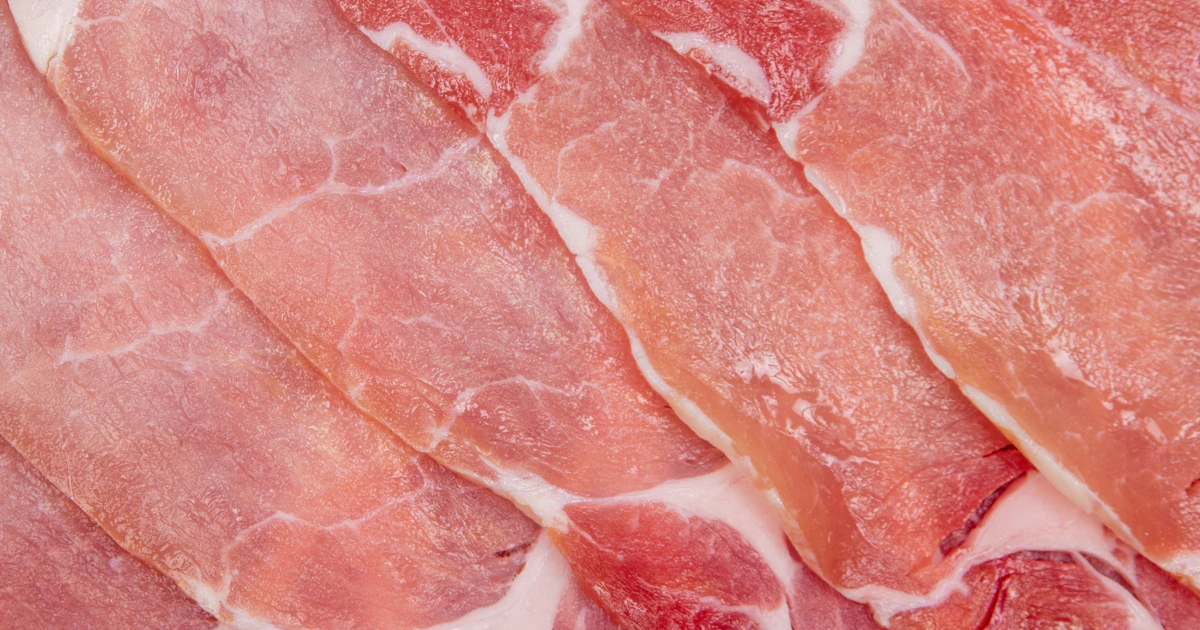
Photo by Andrew Molyneaux on Unsplash
Ham is a holiday staple and a sandwich favorite, so cats often beg for it. It is not toxic, but it is one of those foods that is better left on your plate.
Here is what the risks are and what to do if your cat helped themselves.
Ham is high in salt and fat. A very small piece is unlikely to hurt a healthy cat, but it should not be a regular treat. Never give ham bones, and avoid glazed or deli ham.
Why ham is a problem
PetMD notes that too much salt can lead to high blood pressure in cats, and that cats on a sodium-restricted diet, such as cats with kidney or heart disease, may not be able to eat even small amounts of ham safely. A-Z Animals adds that the fat and sodium in ham can cause pancreatitis in some cats. Cured and deli hams are especially salty.
Ham bones
No. PetMD says all bones are off-limits for cats. Bones can splinter, cause choking or injure the gut. If your cat swallowed one, call your vet.
Deli ham, glazes and seasonings
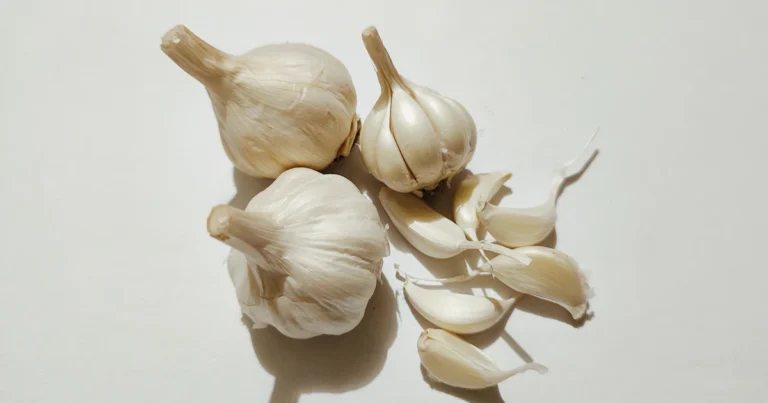
Deli ham and holiday hams often contain curing salts, sugar glazes and seasonings. Kinship’s vet source warns that ham cooked with onion or garlic is toxic to cats. Plain, unseasoned cooked ham is the only form that is even close to acceptable.
If your cat ate ham
A small bite of plain ham in a healthy cat is usually fine. Offer fresh water. Call your vet if your cat ate a large amount, a bone, or seasoned ham, or if you notice vomiting, diarrhea, lethargy or heavy thirst.
Better choices
Plain cooked chicken or turkey is lower in salt, and cat treats are made to fit their diet. See our turkey guide.
Plain cooked ham versus deli ham
Chewy says a small amount of plain cooked ham can be okay, but deli, smoked, glazed and heavily seasoned ham are poor choices because of added sodium, preservatives, sugar and spices. PetMD makes a similar point: home-cooked ham is better than deli-processed ham, and cats on sodium-restricted diets may not be able to eat even small amounts. WebVet is the most cautious about labels: check the exact product, since deli ham varies in sodium, fat and curing.
How salty is a slice?
Wag Walking gives a striking comparison: it says cats should only get about 42 mg of sodium a day while a slice of deli ham can have upward of 360 mg. Treat the figures as a rough illustration, since products differ, but it shows how quickly a small cat reaches a limit.
Nitrates, glazes and seasoning
Citizen Shipper says most store-bought ham contains nitrates and nitrites as preservatives. Hepper’s deli-meat article also flags sodium nitrate. WebVet advises reading labels instead of treating preservatives as poisons by category. Chewy warns glazes and seasoned leftovers often carry sugar and spices that can be toxic, so avoid honey-baked and similar ham.
Ham and kittens
Chewy says kittens should not have ham until at least a year old.
Read the product, not just the word ham
Ham is a broad label. It can mean plain cooked ham, cured ready-to-eat slices, uncooked pork, or a glazed holiday joint, and each differs in sodium, fat and seasoning. Check the label or recipe for onion, garlic, alcohol, sweeteners or raisins in a glaze before sharing a bite.
Where sources disagree: low-sodium deli
One vet-reviewed site suggests low-sodium deli ham with no garlic or onion as a fallback, while another says cats should not eat deli ham at all. We lean cautious: plain home-cooked ham in a tiny amount, and skip deli.
Cats on sodium-restricted diets
Cats with kidney or heart disease may be on a low-sodium diet, and even a small amount of ham can be too much for them. If your cat has such a diagnosis, leave ham out.
What ham offers, and what is exaggerated
Catster lists vitamin B6, selenium, zinc and iron as the nutrients ham can contribute. Hepper says ham contains all the essential amino acids including taurine, but adds that these benefits are often exaggerated because a cat gets the same nutrients from its normal food. Hepper’s figures for a 3-ounce serving are about 100 calories with 14 grams of protein and 4 grams of fat, so more than a third of the calories come from fat.
Cured cousins: prosciutto and Spam
Hepper says prosciutto is not harmful as an occasional nibble but is not healthy, with one slice averaging 345 mg of sodium against a cat’s daily allowance of roughly 42 mg. Catster says most Spam varieties are not toxic, but contain salt, sugar and sodium nitrite and are best avoided. Both treat these as products to skip, not to share.
Portions: the sources compare
PetMD says to offer no more than a 1-inch cube, no more than two or three times a week, and notes that even low-sodium hams still contain salt, which can contribute to high blood pressure. Hepper keeps it to the 10 percent treat rule and says ham should not become a daily treat. Catster says it should be an occasional indulgence, never a meal replacement.
Frequently asked questions
Can cats eat deli ham?
It is better to avoid it. Deli ham is processed and salty. A small bite is unlikely to be an emergency but is not a good treat.
Can cats eat ham every day?
No. Salt and fat add up, and daily ham can crowd out balanced cat food.
Can cats eat ham bones?
No. Bones can splinter and block or injure the throat and gut.
Can kittens eat ham?
It is best to skip it. Kittens have sensitive stomachs and need kitten food.
Is ham toxic to cats?
Plain ham is not toxic, but its salt and fat make it a poor food, and onion or garlic seasoning makes it dangerous.
Is ham worse than turkey or roast beef?
FAQCats says ham has more preservatives, fat and sodium than turkey, chicken or roast beef deli meats.
Can cats eat raw ham?
WebVet says raw ham is ambiguous because some cured products are ready to eat, so the label and preparation matter.
Can cats eat glazed or honey-baked ham?
No. Glazes add sugar, and some contain spices, onion, garlic or alcohol that are unsafe for cats.
Can cats eat gammon or prosciutto?
Not recommended. Both are cured with salt and carry the same sodium concern as ham, so the same precautions apply.
PawFoodCheck is not a veterinary service. This article is general information and does not replace advice from your own veterinarian.
Can cats eat Spam?
Catster says most Spam varieties are not toxic but it contains salt, sugar and sodium nitrite, and it is best avoided as it can contribute to obesity and other issues over time. A tiny stolen taste is unlikely to cause harm.
Is low-sodium ham safe for cats?
PetMD says even low-sodium ham still contains salt, which can contribute to high blood pressure, while Catster says that if you must buy ready-made ham, low-sodium deli cuts without garlic or onion are a better choice. Either way it stays an occasional treat.
Does ham give cats taurine?
Hepper says ham contains taurine and the other essential amino acids, but that the benefit is often exaggerated because normal cat food already provides them.
Related guides
References
- PetMD: Can Cats Eat Ham?
- Kinship: Can Cats Eat Ham?
- Chewy: Can Cats Eat Ham?
- PetMD: Can Cats Eat Ham?
- WebVet: Can Cats Eat Ham?
- Rover: Can Cats Eat Ham?
- Chewy: Can Cats Eat Ham?
- PetMD: Can Cats Eat Ham?
- WebVet: Can Cats Eat Ham?
- Catster: Can Cats Eat Ham?
- Hepper: Can Cats Eat Ham?
- Hepper: Can Cats Eat Prosciutto?
- Catster: Can Cats Eat Spam?
- Chewy: 19 Holiday Foods To Keep Away From Your Cat