My Cat Ate Raw Bread Dough: Emergency Guide
Last updated: November 25, 2026. Sources are listed at the bottom.
Veterinary reviewed by Dr Zahid Iqbal, DVM, MRCVS and Dr Fatih Bozbay, Veterinarian.
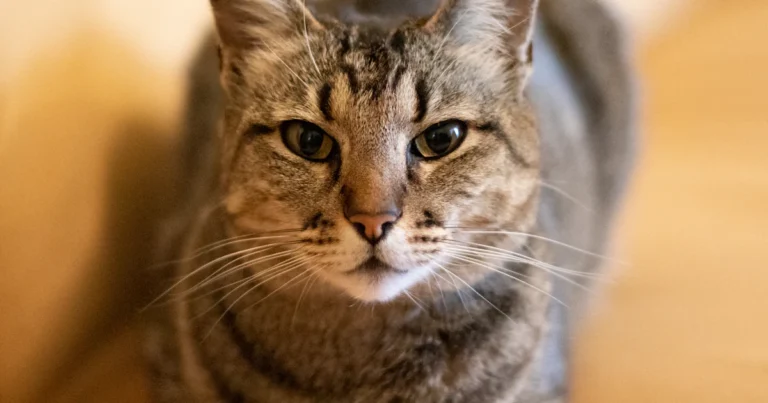
Photo by Nadya Spetnitskaya on Unsplash
Baked bread is a mild issue, but raw yeast dough is different. It keeps rising in the warm stomach, and the yeast produces alcohol.
Even a small piece is worth a call.
Short answer: yes, raw dough is an emergency.
Call your vet or an emergency clinic now. Pet Poison Helpline: 1-800-213-6680. Do not try to make your cat vomit at home.
Why raw dough is dangerous
VCA, written for Pet Poison Helpline, lists three problems: a large amount can block the digestive tract, the dough produces gas that can painfully expand the stomach, and yeast produces ethanol, which can cause alcohol poisoning.
Signs of bread dough poisoning
- Bloated or tense belly
- Vomiting or retching
- Difficulty breathing
- Weakness
- Stumbling or acting drunk
- Abnormal crying
- Low heart rate or low blood sugar
- Coma
What to do
- Call your vet, an emergency clinic, or Pet Poison Helpline at 1-800-213-6680 right away.
- Do not induce vomiting at home. VCA says it can be fatal to cats.
- Note roughly how much dough and when.
The sooner you seek treatment, the better the chance of full recovery. VCA says treatment may include medication to remove dough, IV fluids and hospital monitoring, and surgery if the dough is blocking the stomach or intestines.
Prevention
Keep proofing dough somewhere your cat cannot reach, such as a closed oven or drawer. For baked bread, see can cats eat bread.
What happens inside the stomach
Raw yeast dough keeps rising in the warm, moist stomach. Veterinary toxicology sources describe three problems: the dough can expand and block the gut, the carbon dioxide it releases can cause a painful gas bloat, and the yeast produces ethanol, which causes alcohol poisoning.
Signs people notice
Reported signs include a tight or bloated belly, retching, weakness, stumbling as if drunk, crying out, breathing trouble, a slow heart rate and low blood sugar. Because ethanol effects can overlap with bloat signs, the picture can be confusing.
Why most published cases are about dogs
Dog-focused veterinary writers note that cats rarely get into dough, so much of the evidence comes from dogs. Cats are still listed as affected by poison-center and animal-hospital sources, and raw dough is treated as an emergency for both.
Baked bread and other breads
Fully baked plain bread is a different matter and is usually low risk in a small bite, though it has no benefit. Raisin bread, garlic bread and moldy bread bring their own dangers, and sourdough starters count as raw yeast products.
Keeping dough out of reach
If you bake, let dough rise in a closed oven or proofing cupboard, keep it off counters and clean up scraps. Cats are good at jumping, so a high shelf alone may not be enough.
Pizza dough, rolls and sourdough starter
Raw yeast dough comes in many forms: pizza dough, roll dough, and sourdough starter all count. Poison-center and toxicologist sources treat any raw yeast product the same way.
Baked sourdough
One retailer warns that sourdough has more yeast than other bread. The more important point is the stage: raw dough and starter are the danger, while fully baked bread is a different situation.
What treatment tries to do
Veterinary sources describe the goal as removing the dough from the stomach early, then managing bloat, ethanol effects and blood sugar. Hospital care with fluids and monitoring is common when signs appear, and surgery is only needed when the dough has blocked the stomach or gut.
Why home vomiting is discouraged
Poison-center guidance says not to try to make a cat vomit at home, because it can cause severe damage to the stomach.
Raw flour and dough starters
Catster says flour is not toxic in itself, the danger of raw dough is that it keeps rising in the stomach, and the yeast ferments carbohydrates into ethanol and carbon dioxide. Hepper adds that the CDC cautions against eating raw flour because it can carry bacteria such as E. coli. Catster’s bread guide says the same caution covers sourdough and other starters, which carry the risks of raw dough plus possible contamination from poor storage.
Bloat in cats: how common is it?
Chewy quotes a vet explaining that the fermenting dough produces gas and alcohol and can cause gastric dilatation-volvulus, a potentially life-threatening condition. Catster notes that bloat of this kind is more common in dogs and remains rare in cats, yet calls it hazardous and often fatal when it happens. VCA describes the painful gas build-up and says a large amount of dough can also block the gastrointestinal tract.
Tests a vet may run first
VCA says that if the dough was eaten recently and the cat has no signs yet, a vet may give medicine to make the cat vomit, but it may first suggest an abdominal X-ray and a blood glucose test. If the cat already shows signs, tests can include blood work, X-rays and blood ethanol levels at specialized labs. VCA adds that vomiting should not be attempted at home because it may damage the stomach, and that the outlook is excellent when the problem is caught quickly.
Frequently asked questions
Is raw bread dough poisonous to cats?
Yes, according to VCA and Pet Poison Helpline.
My cat ate a tiny pinch of dough. Is that okay?
Call your vet. Even a small piece can continue to rise, and they can tell you whether to come in.
Can a cat recover?
VCA Canada says the chance of recovery is excellent if it is caught and treated quickly, but untreated it can be fatal.
Is baked bread safe for cats?
A small bite of plain, fully baked bread is usually low risk, but it adds calories without nutrients. Garlic bread and raisin bread are different problems.
Is pizza dough dangerous for cats?
Yes if it is raw. Pizza dough contains yeast and behaves like bread dough.
Is sourdough starter dangerous for cats?
Yes if it is active and raw, because it contains live yeast that can ferment.
How fast does raw dough become a problem?
Signs can develop as the dough rises in the warm stomach, so a stolen piece should be treated as urgent.
PawFoodCheck is not a veterinary service. This article is general information and does not replace advice from your own veterinarian.
Is raw flour dangerous for cats?
On its own flour is not toxic, according to Catster and Hepper, but raw flour can carry bacteria such as E. coli, and both sources say raw flour and raw dough are never recommended for cats in any amount.
Why are cats drawn to bread dough?
Hepper says the taste and smell of yeast seem irresistible to many cats, and that the smell of both baked bread and raw dough can draw them to cupboards and bags. It suggests that a cat craving yeast might be offered a little nutritional yeast in food, which is Hepper’s own idea, so check with a vet first.
Is bloat common in cats?
Catster says bloat is more common in dogs and rare in cats, but raw dough can cause gas bloat in a cat and any bloated, tense belly after dough is an emergency, as VCA lists among the signs.
Related guides
References
- VCA: Bread Dough Poisoning in Cats
- VCA Canada: Is raw bread dough poisonous to cats?
- WebVet: Can Cats Eat Bread?
- VCA Animal Hospitals: Bread dough poisoning in cats
- WebVet: Can cats eat bread
- Petco: Can cats eat bread
- Dr. Justine Lee: Unbaked dough
- VCA: Bread dough poisoning in cats
- Petco: Can cats eat bread
- WebVet: Can cats eat bread
- PetMD: Can Cats Eat Bread?
- Catster: Can Cats Eat Flour?
- Catster: Can Cats Eat Bread?
- Hepper: Can Cats Eat Flour?
- Hepper: Why Do Cats Like Bread So Much?
- Chewy: What Can Cats Not Eat?