Can Dogs Eat Brussels Sprouts? Cooked, Raw & Gas (2026)
Last updated: November 25, 2026
Veterinary reviewed by Dr Zahid Iqbal, DVM, MRCVS and Dr Fatih Bozbay, Veterinarian.
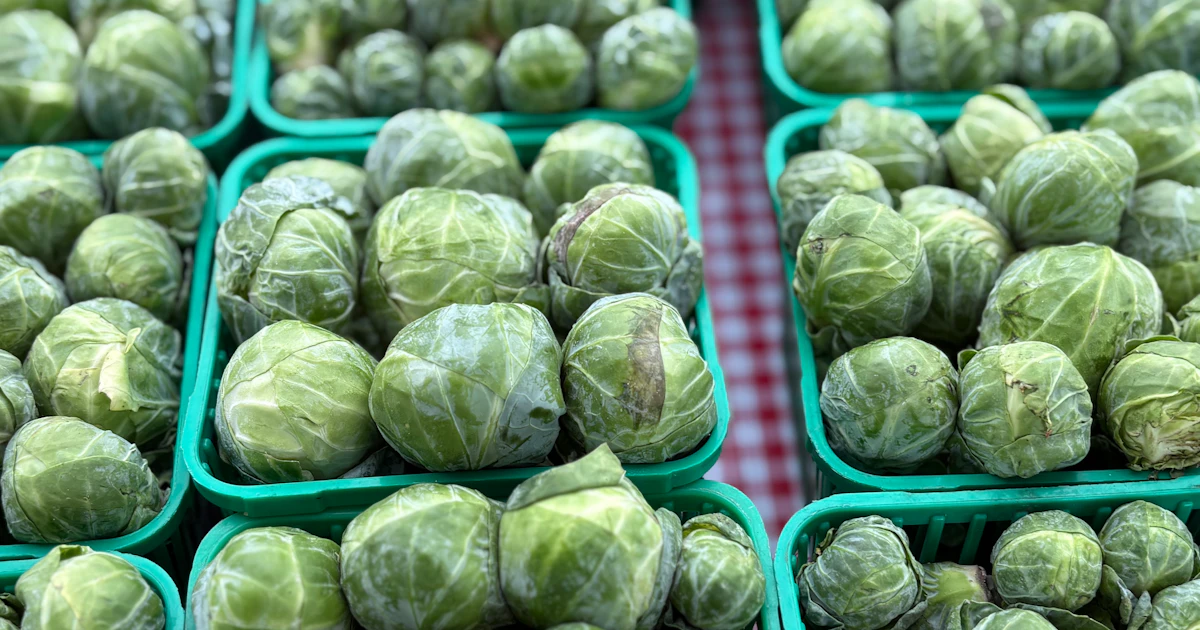
Photo by Bishwajit Ghose on Unsplash
Brussels sprouts are a classic side dish, and they are known for one thing in particular: gas. Plain, cooked Brussels sprouts are safe for dogs in small amounts, but portions should stay small, and butter, bacon, salt, garlic and onion should be left out.
Below you will find the risks and how much Brussels sprouts a dog can have.
Quick answer: Yes. Plain, cooked Brussels sprouts are safe for dogs in small amounts. They are well known for causing gas, so keep portions small, cut them up, and leave out the butter, bacon, salt, garlic and onion that people usually cook them with.
On this page
- Can dogs have Brussels sprouts?
- Risks to know
- How much Brussels sprouts can a dog eat?
- Brussels sprout forms compared
- How to serve it
- FAQ
Can dogs have Brussels sprouts?
Brussels sprouts are not toxic to dogs, and the American Kennel Club lists them as a safe vegetable. They belong to the same family as broccoli, cabbage and cauliflower, and they share the same drawback: they ferment in the gut and produce a lot of gas.
That gas is uncomfortable but usually harmless in small servings. Too many sprouts can lead to bloating and diarrhea, so this is a vegetable to offer one or two at a time. Cooking them makes them softer, easier to digest and less of a choking risk.
Risks to know
- Gas and stomach upset. This is the main issue. Large servings can cause bloating, flatulence and diarrhea.
- Choking. A whole sprout, especially raw, is hard and round. Cut sprouts into halves or quarters.
- Seasonings. Sprouts roasted with bacon, butter, oil, salt, garlic or onion are not suitable. See can dogs eat bacon and can dogs eat garlic.
- Raw sprouts. They are not toxic, but they are tough to chew and harder to digest than cooked ones.
How much Brussels sprouts can a dog eat?
There is no official vet standard for Brussels sprouts portions. These numbers are my own conservative estimates for plain steamed or boiled Brussels sprouts, offered occasionally.
Start at the low end the first time to see how your dog’s stomach reacts. Keep all treats within about 10% of daily calories.
| Dog weight | Practical amount, occasionally |
|---|---|
| Under 10 lb (4.5 kg) | Half a sprout, chopped |
| 10 to 25 lb (4.5 to 11 kg) | 1 sprout, chopped |
| 25 to 50 lb (11 to 23 kg) | 1 to 2 sprouts |
| 50 to 100 lb (23 to 45 kg) | 2 to 3 sprouts |
| Over 100 lb (45 kg) | 3 to 4 sprouts |
Brussels sprout forms compared
| Form | Verdict | Why |
|---|---|---|
| Steamed or boiled, plain | Best choice | Soft, easy to digest and nothing added. |
| Raw Brussels sprouts | Avoid | Hard to chew and digest, and a choking risk. |
| Roasted with oil and salt | Avoid | Added fat and sodium. |
| Sprouts with bacon or butter | No | Rich and salty. |
| Sprouts with garlic or onion | No | Both are harmful to dogs. |
| Frozen sprouts, cooked plain | Okay | Fine once cooked with nothing added. |
| Sprout stalk | No | Too tough and a blockage risk. |
How to serve Brussels sprouts to your dog
- Wash the sprouts, trim the stem end and remove any yellow outer leaves.
- Steam or boil them until soft, with no salt, butter or oil.
- Let them cool, then cut each sprout into halves or quarters.
- Offer one or two pieces as a treat or mix them into the regular meal.
The first time, give only one or two small pieces of Brussels sprouts and watch for vomiting or loose stools over the next day before offering more.
Two explanations for the gas
Sources disagree on why sprouts are gassy. The AKC says sprouts contain a high level of isothiocyanate, which improves intestinal muscles’ ability to push food through. PetMD and Hepper say the cause is raffinose, a complex sugar that is hard to digest and is also found in beans. PetMD’s vegetable guide adds that fiber and undigested sugar ferment in the gut. Either way, the sources agree it is uncomfortable but not harmful.
Not toxic: gas is the only real effect
The AKC says Brussels sprouts contain no toxins or poisons and a temporary stomach upset or record-setting flatulence is no cause for alarm. Hepper says discomfort and flatulence are the only side effects of plain sprouts since they are non-toxic, and suggests contacting a vet if a dog seems uncomfortable. The AKC says too much can cause stomach upset and diarrhea.
How many
The AKC says to start with a half to one sprout depending on size and, once that goes well, to offer no more than three per serving from time to time. PetMD says to feed in moderation and check with the vet, and its gas list names Brussels sprouts alongside broccoli, peas, cauliflower and cabbage.
Stalks, raw sprouts and cooking
PetMD says the stalks are not toxic but can be hard to digest and cause stomach upset, so stick to the sprouts and leaves, and that uncooked sprouts are bitter and could be a choking hazard or cause a blockage if swallowed whole. Hepper’s vitamin K guide says to cook sprouts first to improve digestibility and says to watch portions.
Dogs with a sensitive stomach
The AKC says dogs with dietary issues or allergies should not get sprouts without a vet’s approval. The AKC’s dog gas guide lists Brussels sprouts among vegetables that can add to gas in large amounts.
FAQ
Can dogs eat raw Brussels sprouts?
They are not toxic, but raw sprouts are hard to chew and digest and can be a choking risk. Cooked sprouts are a better choice.
Can dogs eat cooked Brussels sprouts?
Yes, if they are plain. Steamed or boiled sprouts with nothing added are the safest way to share them.
Why do Brussels sprouts give my dog gas?
They contain fiber and plant compounds that gut bacteria ferment, which produces gas. Smaller portions help.
Can dogs eat roasted Brussels sprouts?
Only if they were roasted with no oil, salt or seasoning, which is rare. Sprouts cooked for people usually are not suitable.
Can puppies eat Brussels sprouts?
A weaned, healthy puppy can have a small piece of soft-cooked sprout, but puppies have sensitive stomachs, so other vegetables are an easier start.
Can dogs eat Brussels sprouts every day?
It is better not to. Daily servings are likely to cause ongoing gas, so offer them now and then.
What if my dog eats too many Brussels sprouts?
Expect gas, bloating or diarrhea. Offer fresh water and call your vet if your dog seems in pain, has a swollen belly, or keeps vomiting.
Are Brussels sprouts good for dogs?
They contain fiber and vitamins C and K, but a dog on a complete diet does not need them. Treat them as an occasional extra.
Why do Brussels sprouts make dogs so gassy?
PetMD and Hepper say raffinose, a hard-to-digest sugar, and the AKC says isothiocyanate. Either way the gas is not harmful.
How many Brussels sprouts can a dog eat?
The AKC says start with half to one sprout, and no more than three per serving occasionally.
Can dogs eat Brussels sprout stalks?
PetMD says they are not toxic but can be hard to digest, so stick to the sprouts and leaves.
Are raw Brussels sprouts safe?
PetMD says raw ones are bitter and could be a choking or blockage risk if swallowed whole.
Bottom line
Plain, cooked Brussels sprouts are safe for dogs in small amounts. Cut them up, skip the seasonings and expect some gas if you overdo it.
I’m not a veterinarian. This article is general information and does not replace advice from your vet, especially for dogs with diabetes or digestive problems.
Related guides
References
- American Kennel Club, can dogs eat Brussels sprouts
- USDA FoodData Central, Brussels sprouts, raw
- ASPCA Animal Poison Control, people foods to avoid feeding your pets (onion and garlic)
- AKC, Can Dogs Eat Brussels Sprouts? (isothiocyanate, portions)
- PetMD, Can Dogs Eat Brussels Sprouts? (raffinose, stalks, raw)
- Hepper, Can Dogs Eat Brussels Sprouts? (raffinose, non-toxic)
- Hepper, 7 Foods High in Vitamin K for Dogs (cook first)
- AKC, Why Does My Dog Fart So Much? (gas-causing vegetables)
- PetMD, What Vegetables Can Dogs Eat? (gas list)