Can Dogs Eat Sliced Cheese? Best Slices & Amounts (2026)
Last updated: November 25, 2026
Veterinary reviewed by Dr Zahid Iqbal, DVM, MRCVS and Dr Fatih Bozbay, Veterinarian.
Sliced cheese is the easiest cheese to hand over, which is exactly why it is worth a second look at the label. A small piece of plain sliced cheese can be an occasional treat for a dog that tolerates dairy, but the catch is which slice you pick.
This guide shows which sliced cheese is best, the risks to know about and how much is okay.
Quick answer: Dogs can eat a small piece of plain sliced cheese as an occasional treat, if they tolerate dairy. The catch is which slice. Natural slices such as Swiss or provolone are better choices than processed “cheese product” slices, which are saltier and have more additives. Remove the plastic, tear the slice into small pieces, and skip slices from sandwiches and burgers.
On this page
- Can dogs have sliced cheese?
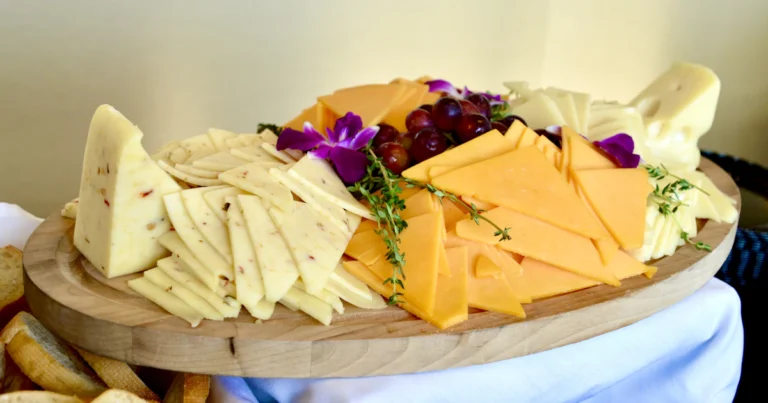
- Which sliced cheese is best?
- Risks to know
- How much sliced cheese is okay?
- FAQ
Can dogs have sliced cheese?
Yes, in small amounts. A slice is just cheese cut thin, so the same rules apply as for the cheese itself: it is rich, it contains fat and salt, and some dogs are sensitive to dairy. A standard 1-ounce (28 g) slice has roughly 60 to 110 kcal depending on the type. The slice is also the problem for small dogs, because a whole slice is a big treat. For the overall picture, see can dogs eat cheese or the best cheese for dogs, ranked.
Which sliced cheese is best?
For hiding pills, a pea-size piece torn from a slice is usually enough. Ask your vet whether the medicine can be given with dairy. For a lighter option, see string cheese.
| Slice | Verdict | Notes |
|---|---|---|
| Swiss slices | Better choice | Low lactose and lower sodium. See Swiss |
| Provolone slices | Okay in small amounts | Rich and moderately salty. See provolone |
| Muenster slices | Okay in small amounts | Remove the rind. See muenster |
| Mild cheddar slices | Okay in small amounts | See cheddar |
| American cheese slices (processed) | Rarely, tiny piece | Salt and additives. See American cheese |
| Pepper jack and flavored slices | No | Peppers, garlic and seasonings |
| Smoked slices | Avoid | Smoke flavoring and extra salt |
| Slices on a sandwich or burger | No | Bread, onion, sauces and deli meat |
Risks to know
- Salt: Processed slices can be quite salty, which matters for small dogs and dogs with heart or kidney disease.
- Fat and calories: Slices are an easy way to over-treat. Rich foods can trigger pancreatitis in susceptible dogs.
- Lactose: Some dogs get gas or loose stools from dairy. See can dogs drink milk.
- Plastic wrapping: Individually wrapped slices and the plastic between deli slices are easy to swallow by accident.
- Choking: A folded slice can be gulped whole. Tear it into small pieces.
How much sliced cheese is okay?
There is no vet standard for sliced cheese. These amounts are my own conservative estimates for plain natural cheese, for a healthy adult dog, as an occasional treat, based on a 1-ounce slice. Dogs with pancreatitis, obesity or dairy intolerance should skip cheese unless the vet agrees.
| Dog weight | Occasional amount (max) |
|---|---|
| Under 10 lb (4.5 kg) | A pea-size piece |
| 10 to 25 lb (4.5 to 11 kg) | About 1/4 slice |
| 25 to 50 lb (11 to 23 kg) | 1/4 to 1/2 slice |
| 50 to 100 lb (23 to 45 kg) | About 1 slice |
| Over 100 lb (45 kg) | 1 to 1.5 slices |
Processed slices vs natural cheese
PetMD lists American cheese as an occasional food for dogs, noting that it is processed and high in sodium. Hepper’s cottage cheese guide puts American in a middle group that is okay only rarely and in very small amounts, while it names cottage cheese, Swiss, Parmesan, cheddar and mozzarella as the quite safe group. The AKC suggests low-fat choices such as mozzarella, cottage cheese or soft goat cheese. A plain slice is therefore not the worst cheese, but it is not the best either.
Lactose: less than milk, not zero
The AKC and Hepper both say cheese contains little lactose compared with whole milk, but dogs with severe lactose intolerance may react even to a small piece. The AKC lists loose stools, gas, vomiting and abdominal pain as typical signs of lactose intolerance in dogs. Both suggest watching your dog closely the first time you offer cheese.
The 10 percent rule and pancreatitis
PetMD says cheese should be an occasional treat making up no more than 10 percent of a dog’s daily diet, and that dogs with conditions like pancreatitis may be restricted to once a week, once a month or even a few times a year. Hepper’s cottage cheese guide says that frequent cheese over a long period can lead to obesity and even pancreatitis.
Using a slice to hide a pill
The AKC says cheese is a good way to conceal pills. PetMD’s pill guide quotes a vet who suggests a small test amount first, because some pets get vomiting or diarrhea from dairy, and who says to use only enough to cover the pill. The same guide says to avoid cheese, yogurt and other calcium-rich foods when giving prescription antibiotics, so check with your vet or pharmacist about your dog’s medicine.
Cheeses to skip
PetMD says blue cheese is toxic because of roquefortine. Hepper says to avoid cheeses that include herbs or spices, and that very salty cheese such as feta can upset the stomach and increase thirst. Garlic and onion are the usual hidden problem in flavored cheese slices and spreads.
FAQ
Can dogs eat sliced cheese?
Yes, a small piece of plain sliced cheese is generally safe as an occasional treat for dogs that tolerate dairy.
Can dogs eat sliced cheese with the plastic?
No. Always remove the plastic. Call your vet if your dog swallowed wrapping.
Is sliced cheese bad for dogs?
Not toxic, but it is rich and salty, and processed slices are a poorer choice than natural cheese.
Can dogs eat a whole slice of cheese?
A medium or large healthy dog can usually handle one plain slice now and then. For small dogs, a whole slice is too much.
Can dogs eat Kraft Singles?
A tiny piece will not usually hurt, but processed slices are not a good choice. See the American cheese guide linked above.
Can puppies eat sliced cheese?
A weaned, healthy puppy can have a very small torn piece of a plain, natural slice as a training reward. Skip processed slices, keep the amount tiny, and watch for loose stools.
Is American cheese bad for dogs?
PetMD says it is not ideal because it is processed and high in sodium, but that small amounts occasionally are acceptable.
Can dogs eat sliced cheese with pills inside?
The AKC says cheese works to hide pills, but PetMD’s pill guide says to avoid cheese with some antibiotics, so ask your vet first.
How much cheese is too much for a dog?
PetMD says treats like cheese should be no more than 10 percent of the daily diet, and less for dogs with pancreatitis or lactose sensitivity.
Which cheese is best for dogs?
The AKC says low-fat options like mozzarella, cottage cheese and soft goat cheese are the better choices.
Bottom line
Plain natural slices such as Swiss or provolone, torn into small pieces, are the better choice. Skip the plastic, the sandwich versions and flavored slices.
I’m not a veterinarian. This article is general information and does not replace advice from your vet.
References
- American Kennel Club (AKC), can dogs eat cheese
- PetMD, can dogs eat cheese
- Merck Veterinary Manual, pancreatitis in dogs
- USDA FoodData Central, sliced cheese nutrient data
- PetMD, Can Dogs Eat Cheese? (American cheese, 10 percent rule)
- AKC, Can Dogs Eat Cheese? (best cheeses, lactose)
- Hepper, Can Dogs Eat Cheese? (salt, lactose)
- Hepper, Can Dogs Eat Cottage Cheese? (cheeses ranked)
- PetMD, How to Give a Dog a Pill Using Foods That Are Safe (cheese and antibiotics)