Can Dogs Eat Brie Cheese? Rind, Fat & Safe Amounts (2026)
Last updated: November 25, 2026
Veterinary reviewed by Dr Zahid Iqbal, DVM, MRCVS and Dr Fatih Bozbay, Veterinarian.
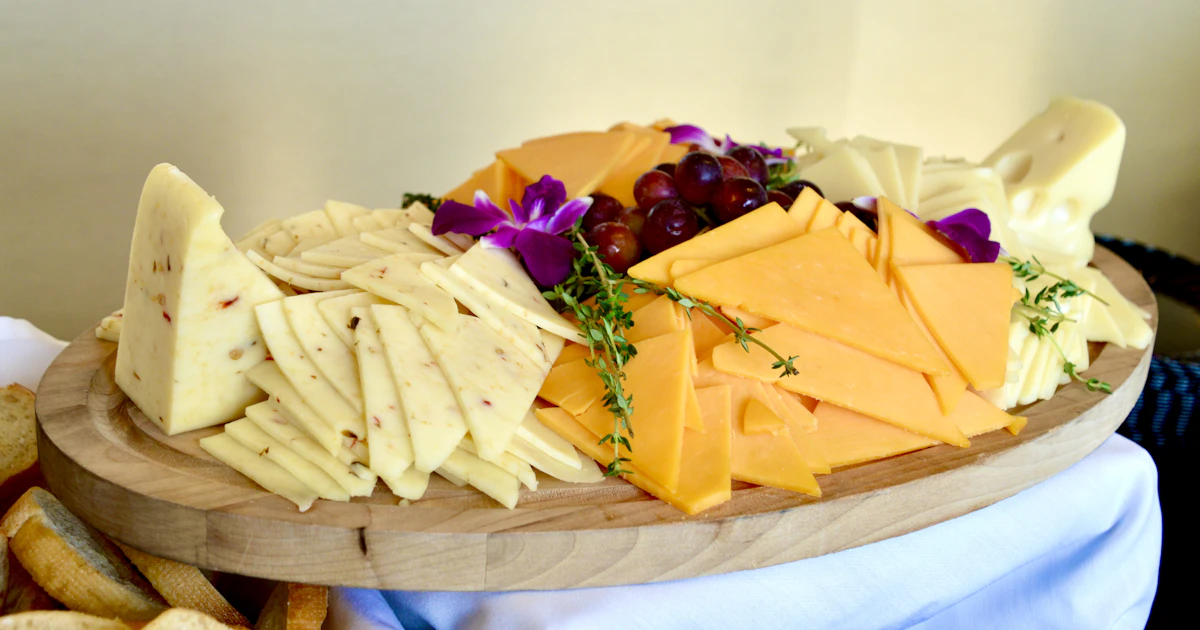
Photo by Andra C Taylor Jr on Unsplash
Brie is a soft, creamy cheese with a white rind, often found on cheese boards, and a dropped piece is easy for a dog to take. It is not considered toxic, and a tiny piece is unlikely to harm a healthy dog. It is a very rich, high-fat soft cheese, though, so it is not a good treat.
Below you will find the risks, a look at the white rind and a short summary of brie’s nutrition.
Quick answer: Brie is not considered toxic, and a tiny piece is unlikely to harm a healthy dog. But it is a very rich, high-fat soft cheese, so it is not a good treat, and it can upset the stomach or trigger pancreatitis in susceptible dogs. Choose a pasteurized brie if you share any at all, remove baked-brie toppings, and skip brie served with garlic, onion, jam, nuts or pastry.
On this page
- Can dogs have brie?
- Risks to know
- What about the white rind?
- Nutrition at a glance
- How much brie is okay?
- Brie in different foods
- FAQ
Can dogs have brie?
A tiny taste is generally not dangerous, but brie is not a cheese I would recommend for dogs. It is a soft-ripened cheese made from cow’s milk, and it is rich: a 1-ounce (28 g) portion has roughly 95 kcal and about 8 g of fat, with moderate sodium. That is a lot of fat for a dog in one bite, especially a small one. Plain, firmer options like string cheese, mozzarella or Swiss are easier on most dogs. See can dogs eat cheese for the full picture.
Risks to know
- High fat: Rich foods can cause vomiting and diarrhea, and in susceptible dogs may trigger pancreatitis.
- Lactose: Soft cheeses retain more lactose than hard aged cheeses. See can dogs drink milk.
- Unpasteurized brie: Raw-milk soft cheeses can carry bacteria such as Listeria or Salmonella. Pasteurized is the safer choice.
- Add-ins: Baked brie is often served with garlic, herbs, nuts, jam, honey or pastry. Some of these are harmful; see can dogs eat garlic.
- Moldy brie: Brie that has gone off or developed other molds is a different matter. Mold toxins are a real risk; see blue cheese.
What about the white rind?
The white rind on brie is a harmless surface mold (Penicillium camemberti) that is used on purpose and is considered edible for people. It is not the same as the mold in blue cheese. Even so, I would not make a point of feeding the rind to a dog. If your dog eats a bit, it is not usually an emergency. But if the cheese has an off smell, slimy texture, or fuzzy colored mold that is not part of the normal rind, throw it away where your dog cannot reach it.
Brie nutrition at a glance
These are the figures for a 1-ounce (28 g) serving, which is far more than most dogs should get in one go.
The sodium is moderate for a cheese, and the fat and calories add up quickly. For comparison, cheddar has about 185 mg of sodium per ounce.
Source: USDA FoodData Central, “Cheese, brie” (FDC ID 172177), converted from per-100 g values and rounded.
| Per 1 oz (28 g) | Amount |
|---|---|
| Calories | about 95 kcal |
| Fat | about 7.9 g |
| Protein | about 5.9 g |
| Sodium | about 178 mg |
How much brie is okay?
There is no vet standard for brie. These amounts are my own conservative estimates for a healthy adult dog, as a rare taste only. Dogs with pancreatitis, obesity or dairy intolerance should skip it.
If your dog ate a large wedge, watch for vomiting, diarrhea and belly pain over the next day or two, and call your vet for advice, especially if your dog is small or has had pancreatitis.
| Dog weight | Rare taste (max) |
|---|---|
| Under 10 lb (4.5 kg) | A pea-size piece, or skip |
| 10 to 25 lb (4.5 to 11 kg) | A thumbnail-size piece |
| 25 to 50 lb (11 to 23 kg) | About 1 teaspoon |
| 50 to 100 lb (23 to 45 kg) | About 1 tablespoon |
| Over 100 lb (45 kg) | About 1 to 2 tablespoons |
Brie in different foods
| Form | Safe? | Notes |
|---|---|---|
| Plain brie, tiny piece | Tiny amounts only | Very rich |
| Brie rind | Avoid on purpose | Edible for people, but not needed for dogs |
| Baked brie with jam, honey or nuts | No | Sugar, nuts and rich toppings |
| Brie in pastry (en croute) | No | Butter, dough and fat |
| Brie with garlic or herbs | No | Garlic and onion are harmful |
| Brie sandwich or cheese board | No | Cured meats, onions, grapes and more; see cheddar |
| Unpasteurized brie | Avoid | Possible bacteria |
| Cottage cheese | Better choice | Lower fat; see cottage cheese |
Fat is the main issue
Hepper’s Brie guide says Brie is 65 to 75 percent butterfat, which is the main reason it is not an ideal snack, and that it is very high in saturated fat. It says high-fat foods can cause vomiting, diarrhea and pancreatitis, and regular feeding can lead to weight gain. PetMD’s table says Brie is okay occasionally, with high saturated fat and lactose that can cause vomiting and diarrhea if too much is eaten.
Conflicting rankings
Hepper’s guide says a small piece occasionally is technically fine, but its cottage cheese ranking lists Brie among cheeses that should not be fed, and its cheese guide says brie is rich in fat and can cause stomach upset in many dogs. PetMD allows it occasionally. If your dog is overweight or prone to pancreatitis, Hepper says to skip cheese and choose a lower-fat treat.
The rind
Hepper notes that Brie comes in a wheel with a rind on the outside. None of the sources reviewed here gives specific guidance on the rind for dogs.
Lactose
Hepper says Brie contains less lactose than milk, but for lactose-intolerant dogs even small amounts can cause problems. The AKC says dogs with severe intolerance may react even to small amounts and to watch for intestinal upset the first time.
Hiding pills in cheese
Hepper says there is a place for small amounts of cheese for hiding medication or training, and suggests small cubes of cheese stuffed in a Kong.
FAQ
Can dogs eat brie cheese?
A tiny piece is unlikely to harm a healthy dog, but brie is very rich and not recommended as a treat.
Can dogs eat brie rind?
The white rind is edible for people and a small amount is not usually an emergency, but there is no reason to feed it to your dog.
Is brie toxic to dogs?
No, plain brie is not toxic. The concerns are fat, lactose and what it is served with.
Can dogs eat baked brie?
No. Baked brie is usually served with garlic, herbs, nuts, jam or pastry, and it is very rich.
What about camembert?
Camembert is a similar soft-ripened cheese, so the same advice applies: only a tiny amount, if any.
Can puppies eat brie?
It is best to skip it. Brie is very high in fat, and puppies have sensitive stomachs. Choose a tiny piece of a plain, lower-fat cheese instead.
How much fat is in Brie?
Hepper says Brie is 65 to 75 percent butterfat.
Is Brie okay for dogs with pancreatitis?
Hepper says to skip cheese for dogs prone to pancreatitis.
Is Brie safer than blue cheese?
PetMD says blue cheese is toxic and Brie is okay occasionally, but Brie is still high in fat.
Bottom line
Brie is not poisonous, but its fat content makes it a poor choice. If you want to share cheese, pick a plain, firmer option in tiny pieces, and keep baked brie and cheese boards well out of reach.
I’m not a veterinarian. This article is general information and does not replace advice from your vet, especially for dogs with pancreatitis.
References
- American Kennel Club (AKC), can dogs eat cheese
- PetMD, can dogs eat cheese
- Merck Veterinary Manual, pancreatitis in dogs
- USDA FoodData Central, brie cheese nutrient data
- Hepper, Can Dogs Eat Brie? (65 to 75 percent butterfat)
- PetMD, Can Dogs Eat Cheese? (Brie row)
- Hepper, Can Dogs Eat Cheese? (brie rich in fat)
- Hepper, Can Dogs Eat Cottage Cheese? (ranked list)
- AKC, Can Dogs Eat Cheese? (lactose)