Can Dogs Eat Corn? Kernels vs Cob Dangers & Amounts (2026)
Last updated: November 25, 2026
Veterinary reviewed by Dr Zahid Iqbal, DVM, MRCVS and Dr Fatih Bozbay, Veterinarian.
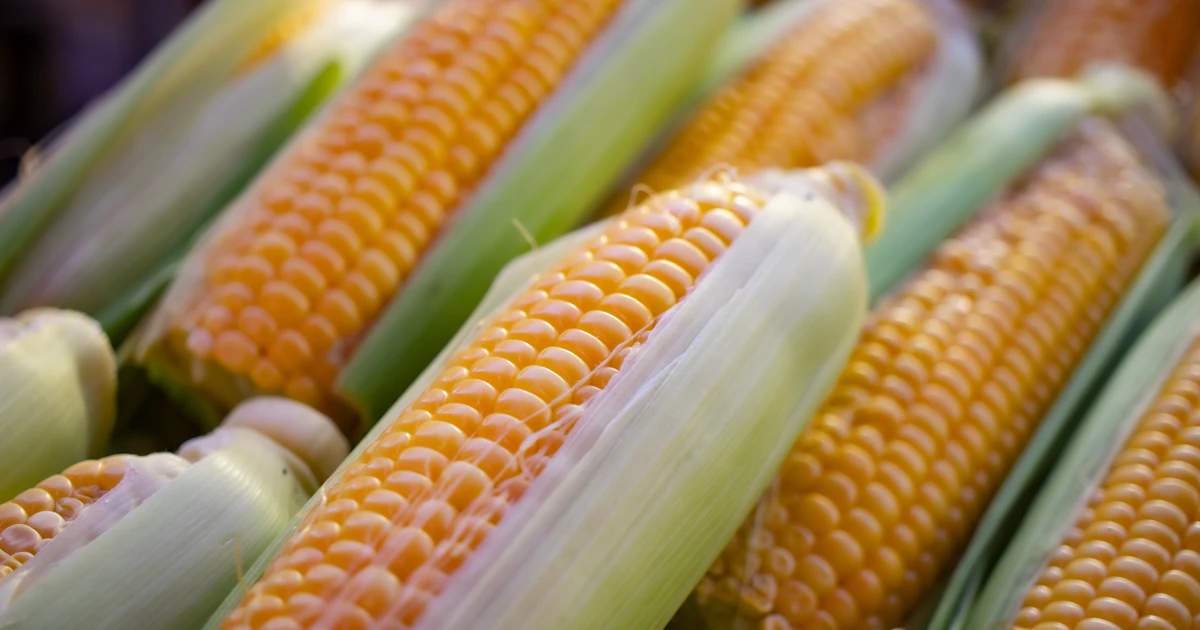
Photo by Wouter Supardi Salari on Unsplash
Corn is a common side dish and a familiar ingredient in dog food, so it often comes up when owners share leftovers. Dogs can eat plain corn kernels in small amounts, and corn itself is not toxic. The danger is the cob, which does not digest and is a leading cause of intestinal blockages.
Below you will find the corn cob danger explained, how much corn a dog can eat and how different corn foods compare.
Dog swallowed corn cob pieces? Call your vet or an emergency clinic right away, even if your dog seems fine. Signs of a blockage include repeated vomiting, loss of appetite, a painful belly, straining without passing stool and lethargy. A blockage often needs surgery. Do not make your dog vomit unless a vet tells you to.
Quick answer: Yes, dogs can eat plain corn kernels in small amounts. Corn is not toxic and is a common ingredient in dog food. The danger is the cob: it does not digest and is a leading cause of intestinal blockages in dogs. Never let your dog chew a corn cob, and skip corn with butter, salt or seasoning.
On this page
Can dogs have corn?
Yes, plain corn kernels are generally safe. The American Kennel Club says corn is fine in moderation, and ground corn is a common ingredient in commercial dog food, where it supplies carbohydrate energy, fiber and some vitamins. Sweet corn has about 86 kcal per 100 g according to USDA data. Whole kernels are not fully digested, so you may see some in the stool. That is normal, but it is a reason to keep portions small. Corn allergies in dogs exist but are considered uncommon compared with allergies to some proteins; if your dog itches or has stomach trouble after corn, stop and ask your vet.
The corn cob danger
Corn on the cob is fine for people, but the cob itself is a hazard for dogs. It is hard, bulky and does not break down, so a swallowed piece can get stuck in the stomach or intestines. Dogs find cobs tempting because they smell like food, and they are one of the more common causes of surgery for blockages.
- Never give a cob as a chew toy or leftover.
- Throw cobs away in a bin your dog cannot open, especially after barbecues.
- Watch the trash and the compost pile.
- Corn husks and silk can also cause problems and should be kept away.
How much corn can a dog eat?
There is no official vet standard for corn portions. These numbers are my own conservative estimates for plain cooked or raw kernels cut from the cob, offered once or twice a week. Start with less.
Dogs that are diabetic, overweight or have a sensitive stomach should only have corn if your vet agrees.
| Dog weight | Practical amount, occasionally |
|---|---|
| Under 10 lb (4.5 kg) | 1 to 2 teaspoons of kernels |
| 10 to 25 lb (4.5 to 11 kg) | 1 to 2 tablespoons |
| 25 to 50 lb (11 to 23 kg) | 2 to 3 tablespoons |
| 50 to 100 lb (23 to 45 kg) | About 1/4 cup |
| Over 100 lb (45 kg) | About 1/4 to 1/3 cup |
Corn forms compared
For other starchy sides, see rice, potatoes and sweet potatoes, or a crunchy treat like carrots.
| Form | Safe? | Notes |
|---|---|---|
| Plain cooked kernels cut off the cob | Yes, in small amounts | No butter, salt or oil |
| Plain canned corn, rinsed | Small amounts | Rinse to cut the salt; check the label |
| Frozen plain corn | Yes, in small amounts | Thaw first |
| Corn on the cob | No | Cob is a blockage risk |
| Corn husks and silk | No | Hard to digest and can block the gut |
| Buttered, salted or seasoned corn | No | Fat, salt; seasonings may include garlic or onion |
| Creamed corn | No | Dairy, sugar and salt |
| Corn chips, tortilla chips, corn dogs | No | Salt, fat and seasonings |
| Cornbread, corn muffins | Avoid | Sugar, fat and sometimes xylitol |
| Popcorn | Plain only | See popcorn |
Corn in dog food: is it just a filler?
Corn has a bad reputation because it is cheap and widely used in commercial dog food. The American Kennel Club notes that many veterinary nutritionists agree corn is not a problem for most dogs and can be part of a balanced diet. Hepper, citing Tufts University’s nutrition service, says corn provides fiber, carbohydrates, fatty acids, vitamins and minerals. That does not mean a dog needs extra corn from your plate. A complete dog food already covers the basics, so kernels are only an occasional extra.
Butter, salt and seasoned corn
Corn on the table is rarely plain. PetMD says butter is high in fat and can contribute to pancreatitis and obesity, and too much salt can lead to salt poisoning in dogs. It also warns against corn cooked with onions or garlic, which are toxic to dogs. If you want to share corn, set aside a few kernels before you add anything to your own portion.
Corn allergies and sensitive stomachs
The AKC advises making sure a dog does not have a corn allergy before offering it. True corn allergy is uncommon, but Hepper says to watch for chronic diarrhea or heavy itching after a first taste, and to stop and call your vet if either appears. PetMD adds that too much corn at once can cause gas, bloating or diarrhea, so start with a small amount.
Diabetic and overweight dogs
Corn is high in starch. PetMD says it is high in carbohydrates and can add unnecessary calories, which may lead to weight gain in dogs that are not very active. Hepper says dogs with diabetes should avoid corn and other starchy treats and should ask their vet about treats first.
Baby corn and corn husks
Hepper says baby corn is a safe treat in moderation and avoids the cob problem, though it should still be plain and occasional. Husks are a different story: PetMD lists corn husks alongside cobs as a choking and blockage hazard, so keep husks and silks out of the bin your dog can reach.
FAQ
Can dogs eat corn on the cob?
No. Dogs should not eat the cob because it can cause a blockage. Plain kernels cut off the cob are the safer way to share corn.
Can dogs eat canned corn?
A small amount of plain canned corn is okay if you rinse it, because canned corn is often salty. Avoid cream-style corn.
Can dogs eat cooked corn?
Yes, if it is plain and cut from the cob. Do not add butter or salt.
Is corn bad for dogs?
No, corn is not bad in general. It is a common dog food ingredient. The problems are the cob, large amounts and added butter, salt and seasonings.
Can puppies eat corn?
A few plain kernels are unlikely to hurt, but there is no need. Puppies do best on a balanced puppy food.
My dog ate a corn cob. What should I do?
Call your vet or an emergency clinic right away. Even a small piece can lodge in the gut. Do not wait for symptoms.
Can dogs eat sweet corn?
Yes. The AKC says plain sweet corn kernels are fine in moderation as long as they are cut off the cob.
Can dogs eat baby corn?
Yes, in small plain pieces. Hepper describes baby corn as a safer alternative to corn on the cob, but it is still an occasional treat.
Can dogs eat corn husks or silks?
They should not. PetMD says husks can cause choking or an intestinal blockage, just like the cob, so throw them out where a dog cannot reach them.
How long can a corn cob stay in a dog’s stomach?
It may not pass at all. Hepper says a cob is too tough to digest and, if it is too big to leave the stomach, can stay there until it is removed surgically. Vet advice is needed as soon as you know a cob was swallowed.
Bottom line
A spoonful of plain corn kernels is a fine occasional treat for most dogs. The cob is the real danger, so keep it far from your dog and call your vet fast if it gets eaten.
I’m not a veterinarian. This article is general information and does not replace advice from your vet, especially for dogs with allergies, diabetes or digestive problems.
Related guides
- Can dogs eat cabbage?
- Can dogs eat cauliflower?
- Can dogs eat peas?
- Can dogs eat lettuce?
- Can dogs eat corn on the cob?
- Can dogs eat tortillas?
References
- American Kennel Club (AKC), can dogs eat corn
- PetMD, can dogs eat corn and corn cobs
- Chewy, can dogs eat corn
- Webvet, can dogs eat corn
- USDA FoodData Central, sweet corn nutrient data
- American Kennel Club, Can Dogs Eat Corn? (kernels, allergy, cob risk)
- PetMD, Can Dogs Eat Corn? (butter, salt, husks, portions)
- Hepper, Can Dogs Eat Corn on the Cob? (Tufts nutrition view, diabetes)
- Hepper, How Long Can a Corn Cob Stay in a Dog’s Stomach?
- Hepper, Can Dogs Eat Baby Corn?