Can Cats Drink Milk? Why Most Cats Are Better Off Without It
Last updated: November 25, 2026. This guide is general information for healthy adult cats and is not a substitute for advice from your own vet. Sources are listed at the bottom.
Veterinary reviewed by Dr Zahid Iqbal, DVM, MRCVS and Dr Fatih Bozbay, Veterinarian.
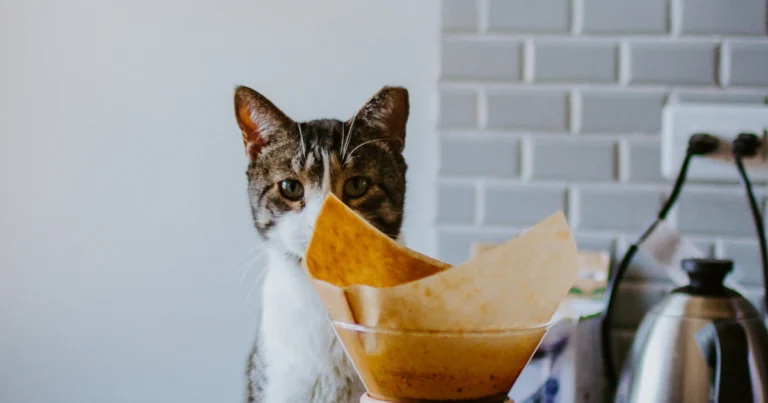
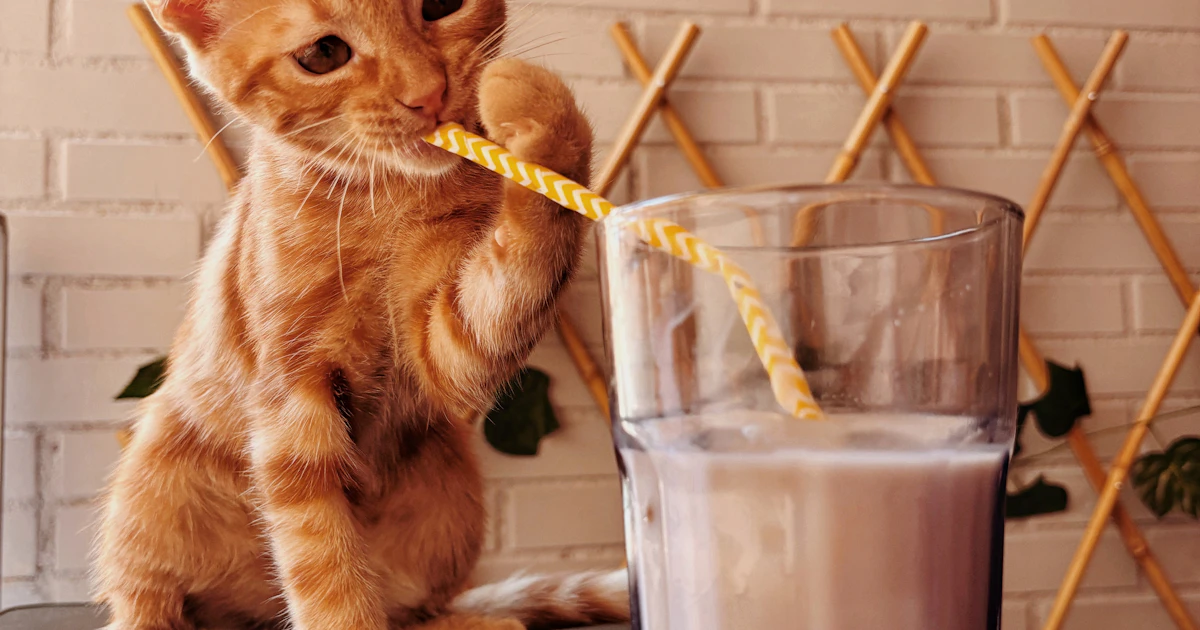
Photo by Virginia Lara on Unsplash
The picture of a cat lapping milk from a saucer is so familiar that many owners are surprised to learn it is not a good idea. Milk is not poisonous to cats, but most adult cats cannot digest it well, and it can cause an upset stomach and diarrhea. A cat only needs fresh water to drink.
Below we explain what happens when a lactose-intolerant cat drinks milk, whether lactose-free or cat milk is any better, and how milk affects kittens.
Milk is not poisonous to cats, but most adult cats cannot digest it well. It can cause an upset stomach and diarrhea, and a cat only needs fresh water to drink.
Is milk bad for cats?
The picture of a cat with a saucer of milk is a myth. Vets at the UK charity PDSA explain that most cats are lactose intolerant, because they lack enough of the enzyme (lactase) needed to digest the sugar in milk. Milk can also unbalance the diet and lead to weight gain.
What happens when a lactose intolerant cat drinks milk?
International Cat Care explains that undigested lactose moves into the large intestine and ferments. That can cause gas, a sore tummy, diarrhea and sometimes vomiting. Some cats seem to cope, and any cat can be affected regardless of breed.
Cats usually love milk because it is rich and fatty, not because it is good for them.
What about lactose-free or cat milk?
Lactose-free milk and milk made for cats do not contain lactose, so they are gentler on the gut. They are still extra calories and are not necessary, since a cat that eats a complete cat food only needs water. Some vets prefer not to give them at all.
Kittens and milk
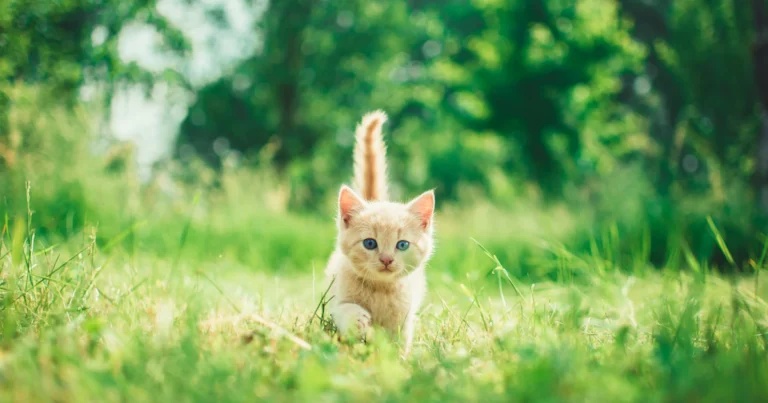
Kittens drink their mother’s milk. Once they are six to eight weeks old they should be fully weaned onto solid food, and then they only need water. If you are caring for newborn kittens without a mother, speak to your vet for advice. Do not use cow milk for them.
What to give your cat instead
- Fresh, clean water, always available.
- A few pieces of cooked plain meat as an occasional treat.
- Your cat’s regular complete cat food.
Why most adult cats struggle with milk
Kittens make the enzyme lactase while they nurse, but as they move to solid food they make less and less, so adult cats usually digest milk worse (Zooplus). PetMD and Catster say the same: most cats become lactose intolerant as they mature. Science ABC explains the mechanism: undigested lactose pulls water into the gut and gets fermented by bacteria, which leads to diarrhea. PDSA’s vets add that vomiting and stomach pain are possible, and that while not every cat gets sick, it is better not to risk it.
Which kinds of milk are less risky?
- Regular cow milk: the highest-lactose option. Best skipped.
- Lactose-free cow milk: PangoVet calls it safer than regular milk but says it should not replace water. Hepper adds that it still brings extra calories.
- Cat milk (made for cats): Chewy says daily use of cat milk or a milk substitute is usually fine if you follow your vet and the label, and some contain added lactase.
- Goat milk: Catster says it has less lactose than cow milk but can still upset a cat’s stomach.
- Almond, coconut, soy and other plant milks: Hepper notes these are lactose-free but add calories without much nutrition, so it is better to avoid them.
What to offer instead
PDSA says a cat only needs water, and PetMD adds that cats are prone to dehydration and benefit from plenty of fresh water. If your cat begs for milk, a small portion of cat milk or a tiny piece of plain cooked chicken is a safer reward than a bowl of cow milk.
What about kittens?
PetMD says kittens can digest their mother’s milk, but not milk from other species such as cows, sheep or goats. For orphaned kittens, Chewy says milk replacer made for kittens is the right choice, and The Vet Desk warns that even human breast milk is unsuitable because it is much higher in lactose.
When cats lose the ability to digest lactose: sources differ
Catster gives three different timings. One article says the enzyme is mostly gone by about 1 year of age, another says kittens have mostly lost it by 6 months, and its kitten guide says it starts to fade around 8 weeks. Hepper ties the change to weaning. The timings differ, but all agree that adult cats are usually lactose intolerant and that some individual cats keep more lactase than others.
Why a saucer of milk adds up
Catster cites the PDSA in saying one saucer of milk has about the same calories for a cat as a whole 12-inch pizza would for a person. Even a cat that digests lactose well can therefore gain weight on regular milk. Catster adds that milk can also crowd out nutrition from proper food, so plain water remains the best drink.
Cat milk and lactose-free products
Catster says specially made cat milks are lactose-free and often flavored, but remain high in fat, so they should not be given regularly. Its Lactaid guide says to start with only a tablespoon or two and watch the cat, and warns that regular milk treats can encourage picky eating. Hepper says the same: lactose-free cat milk only in moderation.
Frequently asked questions
Can cats drink cow milk?
It is best to avoid it. Most adult cats are lactose intolerant and may get diarrhea or an upset stomach.
My cat drank milk. What now?
A small amount usually causes only mild stomach upset. Give water, avoid rich food, and call your vet if signs are severe or last more than a day.
Is goat milk better for cats?
Goat milk still contains lactose, so it can cause the same problems.
Can kittens drink cow milk?
No. PetMD says kittens can only drink milk from female cats, not cows, sheep or goats. Kitten milk replacer is the safe substitute.
Is lactose-free milk okay for cats?
It is less likely to upset the stomach than regular milk, but it still adds sugar and calories, so keep it an occasional extra at most.
Can cats drink almond or oat milk?
They contain no lactose, but Hepper says they add calories with little nutrition. They are not recommended. Ask your vet if you are unsure about a particular product.
Can cats drink goat milk?
Goat milk has less lactose than cow milk, but according to Catster it can still cause stomach upset in some cats.
How do I know if my cat is lactose intolerant?
Look for diarrhea, gas, stomach cramps or vomiting a few hours after dairy. Signs last as long as the lactose stays in the system, per Catster.
Is cat milk from the pet store okay?
Catster and Hepper both say lactose-free cat milk is a better option than cow’s milk, but it is high in fat and should only be an occasional treat in moderation. Catster adds it is not a substitute for a kitten’s mother’s milk.
How soon after milk do signs appear?
Catster says signs such as bloating, cramping, gas and diarrhea show up within about 8 to 12 hours, and its kitten guide says to monitor a cat for roughly 12 hours after cow’s milk.
Is lactose intolerance the same as a milk allergy?
No. Catster says lactose intolerance is not an allergy, and signs last only as long as lactose remains in the gut. Hepper says allergies are an immune reaction to a protein and more often cause itchy skin.
Related guides
References
- PDSA: Vet Q&A: Can cats drink milk?
- International Cat Care: Are cats lactose intolerant?
- Petco: Can cats drink milk?
- FirstVet: Is it OK for cats to drink milk?
- FirstVet: Can Cats Drink Milk?
- PetMD: Can Cats Drink Milk?
- PDSA: Can cats drink milk?
- Zooplus: Can Cats Drink Milk?
- Science ABC: Should Cats Drink Milk?
- Hepper: Lactose-Free Milk for Cats
- Chewy: Can Cats Drink Milk?
- Catster: Can Cats Drink Milk?
- Catster: Are Cats Lactose Intolerant?
- Catster: Can Cats Drink Lactaid?
- Catster: Can Kittens Drink Milk?
- Hepper: Can Cats Drink Milk?
- Hepper: Why Do Cats Like Milk?
- Hepper: Can Kittens Drink Milk?