Can Cats Eat Cat Grass? Safe Types, Amounts and Cautions
Last updated: November 25, 2026. Sources are listed at the bottom.
Veterinary reviewed by Dr Zahid Iqbal, DVM, MRCVS and Dr Fatih Bozbay, Veterinarian.
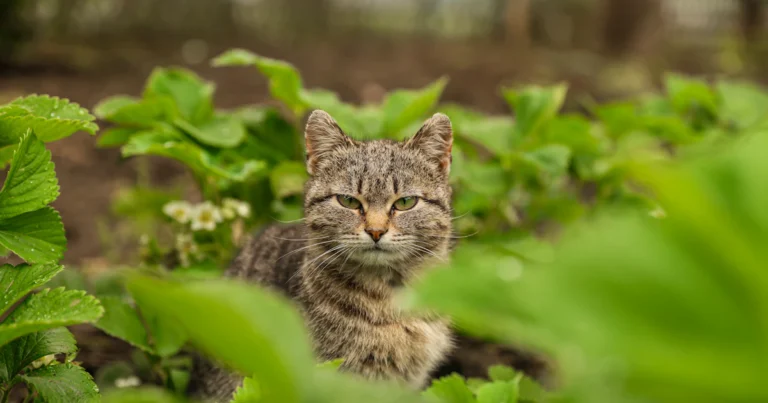
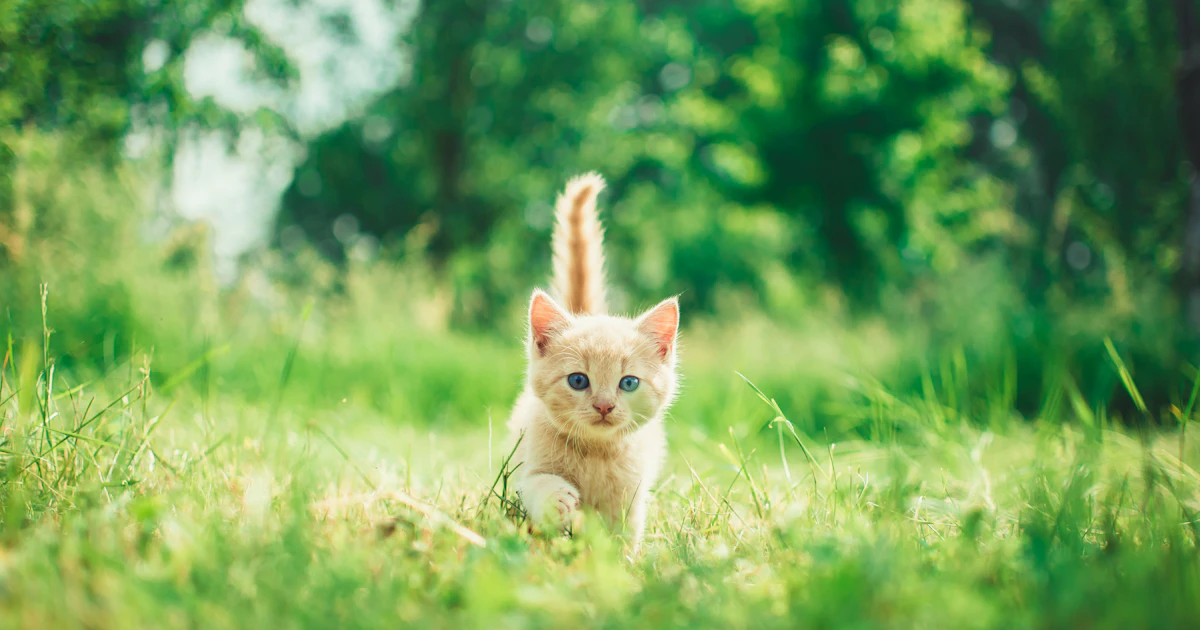
Photo by Andriyko Podilnyk on Unsplash
Many cats chew grass, and indoor cats often go after houseplants instead. Growing a pot of cat grass gives them a safer option.
Avoid lawn grass treated with pesticides, keep it mold-free, and watch for eating large amounts or vomiting often.
Is cat grass safe?
Hill’s Pet says yes when you buy a proper kit or seeds. PetMD says grass is safe as long as it is not treated with pesticides or fertilizers. Cat grass is usually grown from wheat, oat, barley or rye seeds.
Why do cats eat grass?
Nobody knows exactly. PetMD lists theories such as helping with hairballs, easing mild constipation, parasite control in evolutionary terms, or simply because it tastes good, and notes a 2021 study found no difference between long-haired and short-haired cats. It also says the old idea that cats eat grass only when sick is a myth. PetMD adds that grass is not a medical necessity on a balanced diet. Catster is more positive about benefits such as fiber and enrichment, so sources differ on how much it really helps.
How much is too much?
Catster warns that cats cannot digest grass and too much can build up and cause a blockage, and long blades may get stuck in the throat. Keep treats like grass to a small part of the day, and speak to your vet if your cat eats a whole pot in a day or two.
Safety tips
- Use pet-safe seed kits and keep them separate from houseplants, per Hill’s Pet.
- Check for mold, which Catster says can be harmful.
- Avoid chemically treated lawns.
- Watch for soil or potting material being eaten.
- Many houseplants and lilies are toxic. See our lily guide.
What counts as cat grass
Cat grass is not a single plant. It usually means young shoots of cereal grains such as wheat, oats, barley or rye, grown indoors, and it is a different thing from catnip. Oat grass is often described as the sweetest and easiest to grow, while wheatgrass is the most common.
Growing it safely
Use untreated seeds sold for pets, a shallow pot with drainage, and clean potting mix. Keep it watered but not soggy, since mold is a problem, and replace it when it turns yellow or smells off. Avoid lawn grass seed, which is often treated, and keep fertilizers and pesticides away from the pot.
Indoor grass versus the lawn
Outdoor grass may have been sprayed with weed killers or fertilizer, and some garden plants are toxic, so a pot of cat grass is the safer way to meet a grazing habit. Cats that nibble too fast can vomit, which is usually temporary.
Does cat grass cause vomiting?
Not always. Many cats eat grass without throwing up, and an occasional episode afterward is common. Vomiting can also happen simply because tough, fibrous blades are hard to digest.
Grass is enrichment, not medicine
Cat grass is optional enrichment. It is not a treatment for hairballs, constipation or parasites, and it does not deworm a cat.
Mold and seed choice
Overwatering can grow mold on cat grass, so keep soil damp but not soaked. Use seeds sold for cat grass, such as wheat, oat, barley, rye or alfalfa, not lawn seed that may be treated.
Vitamins and chlorophyll: what is proven
Catster says cat grass is full of vitamins A, D and B, folic acid and chlorophyll, and that folic acid helps red blood cells make hemoglobin. Catster’s other guide cautions that chlorophyll is believed to have many benefits, none of which have been scientifically proven in cats, although it does freshen breath. Hepper agrees that chlorophyll was once used as a remedy for ulcers, infections, pain and anemia, but says there is not enough scientific evidence to support its medicinal properties.
Which grass is best? One vet’s view
PetMD quotes a veterinarian, Mark Waldrop, who calls cat grass a micronutrient source that adds insoluble fiber, which may help with hairballs, and good enrichment. He says he prefers alfalfa grass because it has been shown to help prevent and treat kidney disease in cats, and likes oat grass as a digestive aid that is high in protein and soluble fiber and contains iron, manganese, zinc and B vitamins. These are one vet’s preferences, and the other sources simply describe cat grass as a mix of oat, wheat, barley and rye.
Keep it apart from other plants
PetMD and Catster both point out that cats cannot easily tell the difference between the cat grass you grow for them and houseplants that may be toxic. Catster recommends checking the safety of every houseplant in the home, and Hepper suggests keeping cat grass separate from other plants so a cat learns which ones are meant to be eaten.
Frequently asked questions
Is cat grass the same as catnip?
No. They are separate plants.
Can kittens eat cat grass?
Small amounts of pet-safe grass are generally fine, but ask your vet about very young kittens.
Why does my cat vomit after grass?
Grass is hard to digest, so vomiting is common. If it happens a lot, talk to your vet.
How long does cat grass take to grow?
Hill’s Pet says seeds sprout in a few days and are ready in about two weeks.
Is wheatgrass safe for cats?
Yes, wheatgrass grown without chemicals is one of the standard cat-grass choices.
Can cat grass help hairballs?
Some owners find it helps, but evidence is limited. It is best treated as a possible bonus rather than a treatment.
Does cat grass deworm cats?
No. Eating grass is not a reliable way to remove worms.
Can cats eat grass from the lawn?
It is best to avoid it. Lawn grass can carry fertilizer, pesticide and weed killer, so indoor cat grass is safer.
PawFoodCheck is not a veterinary service. This article is general information and does not replace advice from your own veterinarian.
Can cat grass cause a blockage?
Catster says cats cannot digest grass, so a very large amount can build up in the stomach and intestines and lead to an obstruction that may need surgery. Catster’s other guide says that if a cat keeps overindulging, access can be limited to once or twice a week for no more than five minutes.
Does cat grass freshen a cat’s breath?
Catster and Hepper both say the chlorophyll in grass is a natural breath freshener, although Hepper adds that other claimed medicinal benefits of chlorophyll lack scientific support.
Is outdoor grass safe for cats?
PetMD, Catster and Hepper all say indoor cat grass is safer than lawn grass, which may be treated with pesticides, weed killers or other chemicals, or mixed with plants that are toxic to cats.
Related guides
References
- Hill’s Pet: Cat Grass Safety and Information
- PetMD: Why Do Cats Eat Grass?
- Catster: What Is Cat Grass?
- Vet Help Direct: Cats Eating Grass
- PetMD: Why do cats eat grass
- Hill’s Pet: Cat grass safety
- Chewy: Cats eat grass
- Hepper: What is cat grass
- Chewy: Why do cats eat grass?
- Cats.com: Cat grass
- Catster: Is Cat Grass Good for Cats?
- PetMD: 5 Types of Cat Grass You Can Grow
- Catster: Can Cats Eat Grass?