Can Cats Eat Beef? Cooked, Raw, Ground and Steak
Last updated: November 25, 2026. Sources are listed at the bottom.
Veterinary reviewed by Dr Zahid Iqbal, DVM, MRCVS and Dr Fatih Bozbay, Veterinarian.
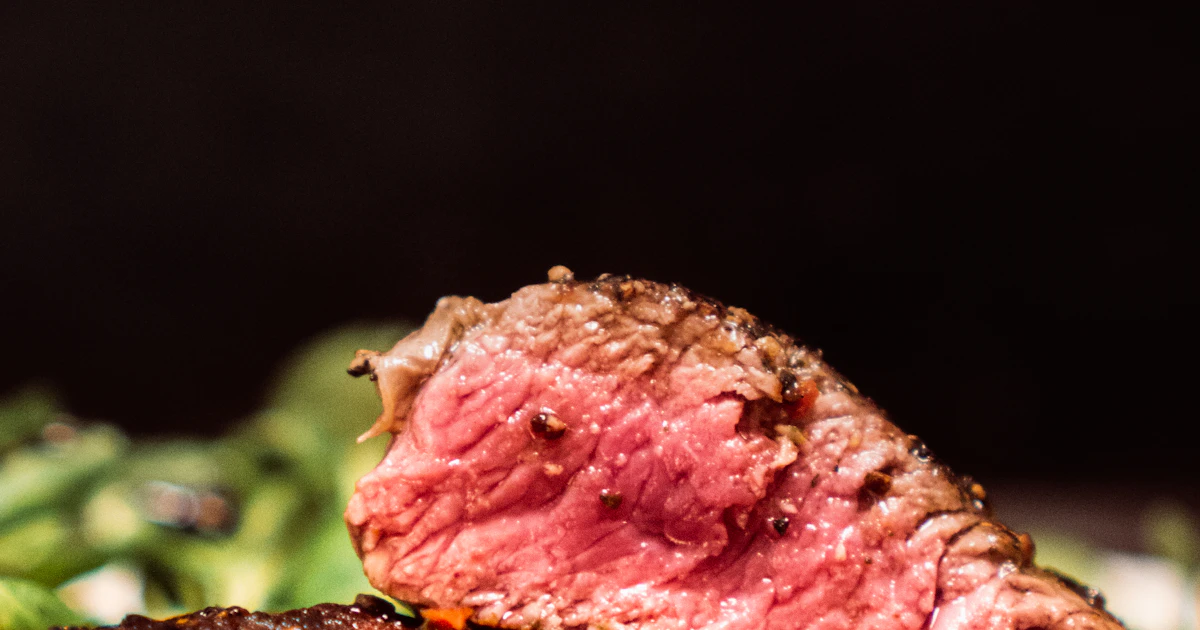
Photo by Justus Menke on Unsplash
Cats are obligate carnivores, and beef is a common ingredient in cat food. Plain cooked beef is fine as a small treat.
The risks come from seasoning, bones and raw meat.
Plain, lean, fully cooked beef is a safe occasional treat. Avoid seasoning (onion and garlic), bones and raw or undercooked ground beef.
Cooked beef
Catster says beef is considered a good protein source for cats and is one of the most common ingredients in cat food after chicken and fish. Hepper says to feed only plain, lean beef not cooked with oil, salt or seasonings, and that a nibble or two is plenty for an average adult cat.
Seasoned beef and roast beef
Catster says many roast beef recipes call for onions and garlic, which are highly toxic to cats, so roast beef from your plate is not recommended. See onions and garlic for cats.
Raw and ground beef
PangoVet says ground beef poses the highest risk of bacterial contamination when raw feeding and cites VCA vets that it is best to avoid raw meat for cats because of infection risk. Catster says there is considerable debate over raw beef and that it is generally better to cook it first to avoid parasites and bacteria. Hepper says raw beef is only for consultation with your vet, since it carries risks for both cat and humans.
Cooked, lean and plain
PangoVet says cooked steak without seasoning or sauce is generally safe in moderation, as long as it is lean. Excess fat and calories can lead to obesity or digestive upset. Vet Verified agrees that cooked beef is safe if plain and that excess fat may cause pancreatitis, and it advises avoiding processed beef such as corned beef, burgers or sausages because of salt and additives.
Raw beef: sources disagree
Catster says there is considerable debate about raw beef and it is generally better to cook it to avoid parasites and bacteria. PangoVet, citing VCA, says it is best to avoid raw meat for cats altogether, and that ground beef has the highest contamination risk. Petcube points out raw beef still carries Salmonella and E. coli risk even if lower than pork. Vet Verified calls raw beef generally safer than raw poultry. Spot Pet says fresh raw steak can be okay in moderation. Cooked is the cautious choice.
Bones and seasoning
PangoVet says not to give steak bones, cooked or raw, because they can damage teeth or splinter and cause blockage or perforation, which is a veterinary emergency. Petcube says to skip onion and garlic seasoning.
Beef allergy
Hepper notes that many cats are actually allergic to beef, raw or cooked, so introduce it slowly. Catster adds that beef is not suitable for cats with a diagnosed beef allergy.
Fat, pancreatitis and weight
Leaner beef is the better choice. Excess fat can contribute to weight gain and, in sensitive cats, pancreatitis, so trim visible fat and drain ground beef after cooking.
Processed beef products
Corned beef, burgers and sausages are best skipped because they carry salt and additives. Plain cooked beef is the only form worth sharing.
Beef is a treat, not a complete diet
Beef lacks the full range of vitamins and minerals a cat needs, so it cannot replace complete cat food. Keep it as a small extra on top of the regular diet.
Beef nutrients and calorie density
Hepper says beef is a good source of iron and of B vitamins such as B12 and B6, plus niacin, choline, potassium and vitamin K, but that it carries about 25 to 30 percent more calories and about 30 percent more fat than chicken. It puts an ounce of beef at around 60 calories, so a single ounce could be 20 to 30 percent of the daily calories of a 10-pound cat. Catster’s human-foods guide lists iron, zinc and some vitamin A, and also notes that beef is more calorically dense and higher in fat than lean proteins such as chicken.
Beef liver and organ meat
Catster’s human-foods guide says cooked beef liver is a decent source of taurine but is also extremely high in vitamin A, which could lead to toxicosis, so only small portions are advisable. Catster’s raw beef guide gives a limit of about once a week at no more than 5 percent of the day’s food and warns that a cat eating a lot of liver can develop hypervitaminosis A. Catster adds that cooked lamb and beef kidneys are packed with nutrients such as folate and fatty acids.
Portion advice differs
The sources do not agree on how much beef is a sensible treat. Hepper says a nibble or two is plenty for an average adult cat. PetMD says a 1-inch cube of well-cooked, lean beef is an appropriate snack for a healthy cat. Catster says beef as an occasional treat should stay under 10 percent of daily calories and suggests serving a small portion the first few times. The smaller amount is the safer place to start, given beef’s calorie and fat density.
Frequently asked questions
Can cats eat raw beef?
Not recommended. Raw beef can carry bacteria and parasites. If you are thinking of raw feeding, talk to your vet.
Can cats eat ground beef?
Cooked, plain and drained of fat, in small amounts.
Can cats eat steak?
Plain, lean, cooked steak without bones or sauce, in small pieces.
Can cats eat beef every day?
Not as a treat. Complete cat food should be the main diet.
Can kittens eat beef?
Better to stick to kitten food. Ask your vet.
Can kittens eat raw beef?
Hepper says it is not advisable.
Can cats eat hamburger?
Small amounts of plain, fully cooked hamburger meat are fine. Choose lean, drain the fat and leave out spices, onion and sauces.
Can cats eat corned beef or beef sausage?
It is better to avoid them. They are salty and processed, with additives a cat does not need.
PawFoodCheck is not a veterinary service. This article is general information and does not replace advice from your own veterinarian.
Is beef better than chicken for cats?
Not clearly. Hepper says beef is more nutritionally dense but carries about 25 to 30 percent more calories and about 30 percent more fat than chicken. Catster’s human-foods guide says the two are close in protein, with beef having slightly more by weight, but that beef is higher in fat.
Can cats eat beef liver?
Cooked beef liver is a decent source of taurine, but Catster says it is extremely high in vitamin A, so only small portions are advisable, and its raw beef guide suggests no more than about once a week.
How do I cook ground beef for a cat?
Catster says to boil it with no salt or seasoning, avoid frying, and cook it with a lid on for around 45 minutes, then let it cool before serving.
Related guides
References
- Catster: Can Cats Eat Beef?
- Hepper: Can Cats Eat Beef?
- PangoVet: Can Cats Eat Raw Beef?
- PangoVet: Can Cats Eat Steak?
- PangoVet: Can Cats Eat Steak?
- PangoVet: Can Cats Eat Raw Beef?
- Vet Verified: Raw and Cooked Meat
- Hepper: Can Cats Eat Raw Beef?
- Petcube: Can Cats Eat Meat?
- VetVerified: Can Cats Eat Raw and Cooked Meat?
- Spot Pet Insurance: Can Cats Eat Beef?
- Catster: Can Cats Eat Beef?
- Catster: Can Cats Eat Beef?
- PetMD: What Human Food Can Cats Eat?
- Catster: Can Cats Eat Raw Beef?
- Catster: Human Foods That Cats Can Safely Eat