Can Dogs Drink Alcohol? Beer, Wine & Liquor Risks (2026)
Last updated: November 25, 2026
Veterinary reviewed by Dr Zahid Iqbal, DVM, MRCVS and Dr Fatih Bozbay, Veterinarian.
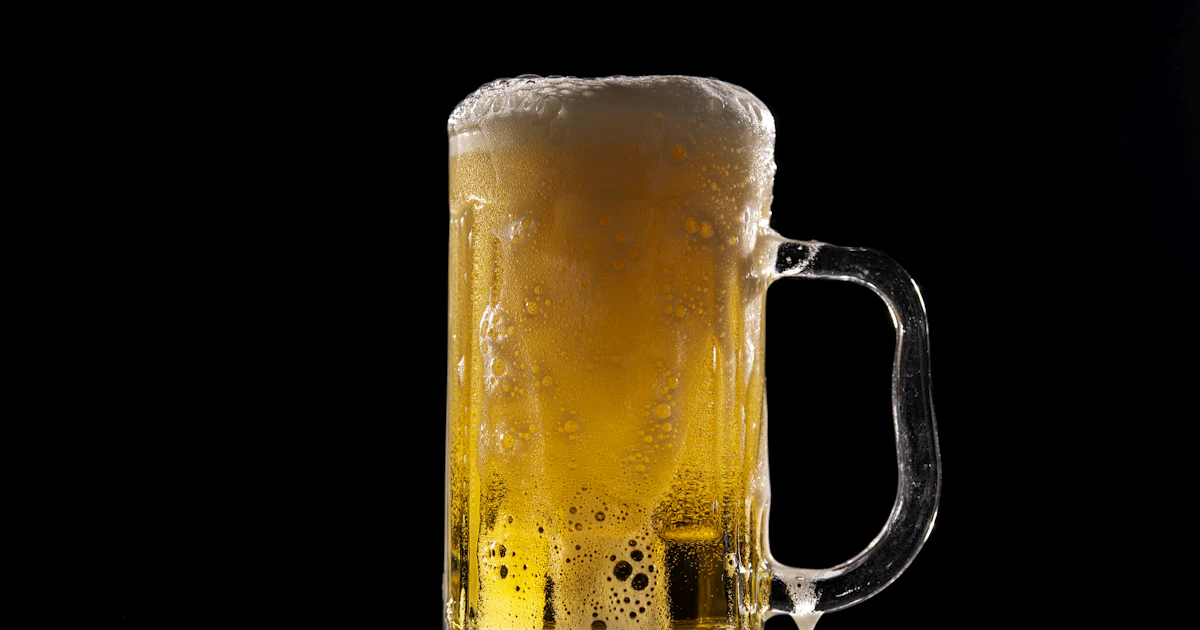
Photo by engin akyurt on Unsplash
A beer left on the patio or a glass of wine within reach is an easy mistake. Alcohol is toxic to dogs and there is no safe amount to offer. Dogs are much smaller than people, so a few licks of beer or wine can cause vomiting, wobbliness and dangerous drops in blood sugar.
This page covers the risks, how different alcoholic products compare and how fast alcohol acts.
Quick answer: No. Alcohol is toxic to dogs and there is no safe amount to offer. Dogs are much smaller than people, so a few licks of beer or wine can cause vomiting, wobbliness and dangerous drops in blood sugar and body temperature. If your dog drank alcohol, call your vet or an animal poison hotline right away.
On this page
Most people would never hand a dog a glass of wine on purpose. The usual problem is an accident: a beer left on the floor at a barbecue, a cocktail on a low table, or a sweet drink a dog laps up while no one is watching.
Because alcohol is in more household products than most owners expect, this guide covers drinks and the hidden sources too, plus the signs of poisoning and the steps to take.
Can dogs drink alcohol?
Alcohol, which is ethanol, is not safe for dogs in any amount. A dog’s body is small and its liver cannot handle ethanol the way a person’s can. The amount that causes trouble depends on the dog’s size and the strength of the drink, and a small dog can be affected by very little.
Do not give a dog alcohol as a joke, a test or a way to calm it down. It does not relax a dog safely. It depresses the nervous system and can cause serious illness.
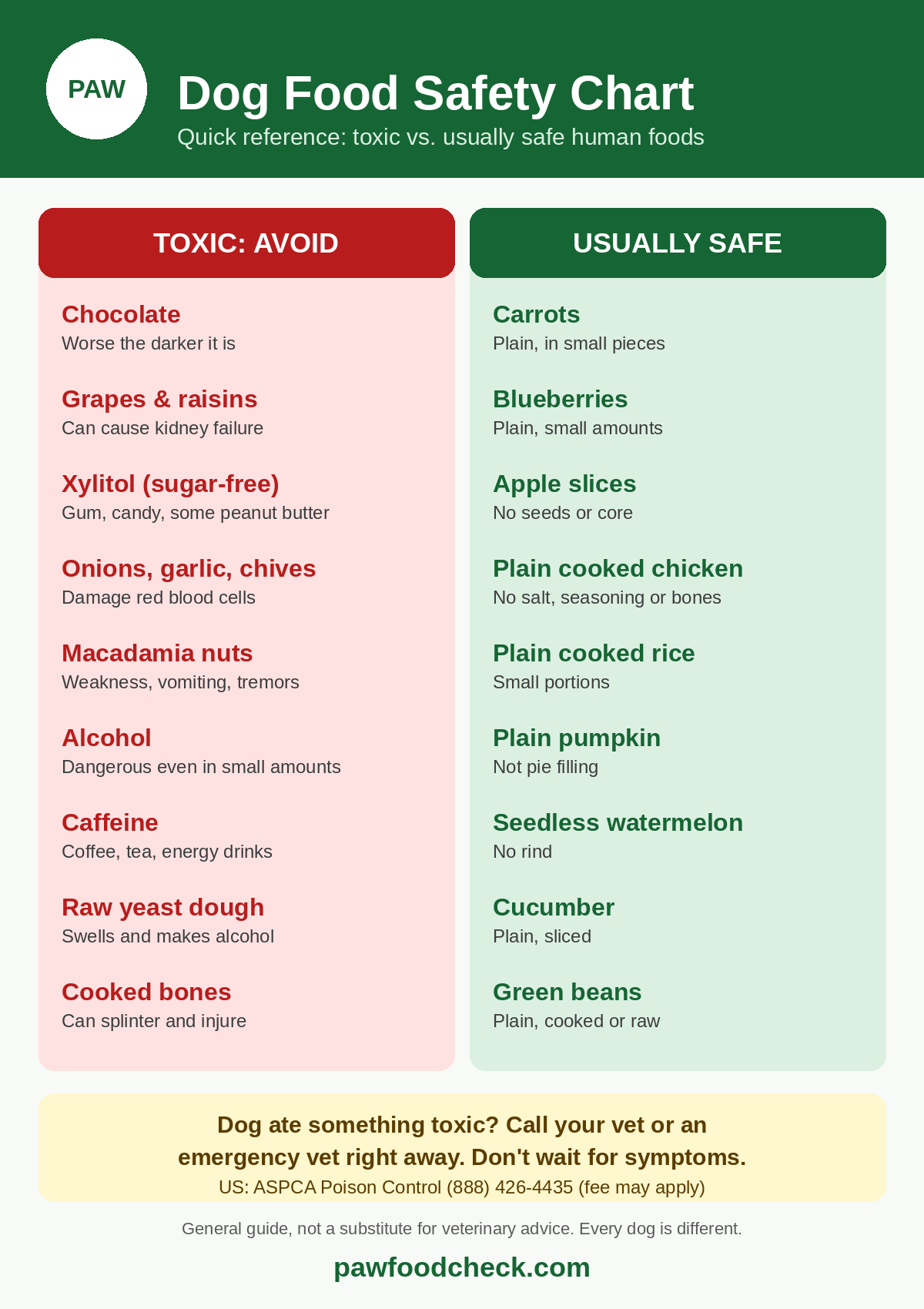
Think of alcohol the same way you think of chocolate or grapes for dogs: the safe choice is to keep it away completely.
Risks to know
Ethanol is absorbed quickly through the stomach. Signs can start within an hour, and in severe cases they get worse over several hours. Common signs include:
- Vomiting and drooling
- Wobbling, stumbling or trouble standing
- Unusual sleepiness or lethargy
- Slow or shallow breathing
- Low body temperature
- Low blood sugar, which can lead to tremors or seizures
- In severe cases, collapse or coma
Alcohol forms compared
| Form | Safe? | Notes |
|---|---|---|
| Beer, wine, liquor | No | All contain ethanol. Stronger drinks are more dangerous per sip. |
| Cocktails and sweet mixed drinks | No | Alcohol plus sugar, and some mixes contain chocolate, caffeine or xylitol. |
| Hops from home brewing | No | Hops are a separate danger and can cause a dangerous fever. Keep them locked away. |
| Raw bread or pizza dough | No | As yeast ferments the dough, it makes alcohol inside the stomach. |
| Rum cake, liqueur chocolates, tiramisu | No | Alcohol plus ingredients that are risky for dogs. |
| Hand sanitizer and some mouthwash | No | Many contain a high percentage of alcohol. Keep them out of reach. |
| Non-alcoholic beer or wine | Not recommended | Often still contain a trace of alcohol, plus hops or grape products. |
How fast it acts and how long signs last
Sources give slightly different windows. PetMD says signs generally appear within 15 minutes to two hours, VCA says likely within 15 to 90 minutes, and Hepper says 30 to 60 minutes, sooner on an empty stomach. Hepper’s beer guide says a dog treated promptly often recovers fully within 24 to 36 hours.
How much is dangerous
The AKC says the type of drink matters less than how much was consumed, and gives a published oral lethal dose of 5.5 to 7.9 g/kg of pure ethanol. It lists light beer at 2.5 to 3.5 percent, beer at 4 to 6, ale at 5 to 8 and wine at 10 to 20 percent. PetMD says that for a 10 pound dog, alcohol is lethal at about 10 ounces of 6 percent beer, 5 ounces of 13 percent wine or 2 ounces of 40 percent liquor. Small and young dogs are at the most risk, according to Hepper.
Hidden sources: dough, mouthwash, desserts
VCA says raw yeast dough keeps fermenting in the stomach and produces ethanol, causing signs similar to alcohol poisoning. Chewy says the same about raw bread dough. The AKC lists mouthwash among household products containing ethanol, and says dogs may be drawn to fruit-based drinks, cocktails, punches and foods with alcohol as a key ingredient. Hepper says alcohol can also be absorbed through the skin.
Xylitol in mixers and diet drinks
The AKC warns that diet alcoholic drinks and other mixers may contain xylitol, an artificial sweetener that is highly dangerous and can be fatal to dogs. Hepper repeats the same warning. Beer may also contain other toxic ingredients such as chocolate, coffee or spices, according to the AKC.
How vets treat it
PetMD says there is no specific antidote for alcohol poisoning in dogs, so treatment focuses on decontamination and supportive care. VCA says vets do not use breathalyzers or blood alcohol testing to guide treatment and instead rely on signs and history. Hepper’s guide says vets may induce vomiting if the dog is seen early, and may hospitalize the dog for monitoring.
FAQ
Can dogs have a sip of beer?
No. Even a small amount is not worth the risk, especially for a small dog. Dogs do not need it and cannot process it well.
Is wine safe for dogs?
No. Wine contains alcohol, and wine is made from grapes, which are also dangerous for dogs.
Can alcohol be absorbed through the skin?
Rubbing alcohol on a dog’s skin is not recommended, and licking it off adds to the exposure. Ask your vet before using any alcohol product on or near your dog.
Can dogs eat food cooked with wine or beer?
Cooking removes some alcohol, but not all of it, and many sauces also contain onions or garlic. It is best to keep these foods away from your dog.
What should I do if my dog drank alcohol?
Call your vet or an animal poison hotline straight away. In the US you can reach the ASPCA Animal Poison Control Center at (888) 426-4435 or the Pet Poison Helpline at (855) 764-7661; a consultation fee may apply. Tell them the drink, the amount and your dog’s weight. Do not make your dog vomit unless a vet tells you to.
Can puppies drink alcohol?
No. Puppies are even smaller and more sensitive, so the risk is higher.
How long does alcohol stay dangerous for a dog?
Sources say signs start within about 15 minutes to two hours, and Hepper says full recovery is often seen within 24 to 36 hours with prompt treatment.
Can dogs drink non-alcoholic beer?
The sources reviewed do not cover it directly, but the AKC warns that beer-type products can contain other ingredients such as spices or caffeine, so check the label with your vet.
Is there a dog-safe beer?
The AKC and PetMD both mention beverages made for dogs by breweries, which are alcohol-free, but human beer is never safe.
Can raw bread dough cause alcohol poisoning?
Yes. VCA and Chewy both say yeast dough ferments and produces ethanol in the stomach.
Bottom line
Dogs should never be given alcohol. Keep drinks, cocktails, raw dough and alcohol-based products out of reach, and call your vet or a poison hotline right away if your dog gets into any of them.
I’m not a veterinarian. This article is general information and does not replace advice from your vet, especially for dogs with diabetes or digestive problems.
Related guides
- Can dogs eat chocolate?
- Can dogs drink coffee?
- Can dogs eat grapes?
- Can dogs eat bread?
- Can dogs drink milk?
References
- American Kennel Club (AKC), can dogs drink alcohol
- PetMD, alcohol poisoning in dogs
- ASPCA Animal Poison Control, alcohol
- Pet Poison Helpline, alcohol toxicity
- PetMD, Can Dogs Drink Beer? Alcohol Poisoning in Dogs (timing, signs)
- PetMD, What Things Are Poisonous to Dogs? (lethal examples, no antidote)
- AKC, Can Dogs Drink Alcohol? (ethanol percentages, xylitol)
- VCA Hospitals, Alcohol Poisoning (signs, diagnosis)
- VCA Hospitals, BBQ season safety tips (yeast dough)
- Hepper, Can Dogs Drink Beer? (recovery time)
- Hepper, My Dog Drank Alcohol! (risk groups, signs)