Can Dogs Eat Eggs? Cooked vs Raw, Safe Amounts (2026)
Last updated: November 25, 2026
Veterinary reviewed by Dr Zahid Iqbal, DVM, MRCVS and Dr Fatih Bozbay, Veterinarian.
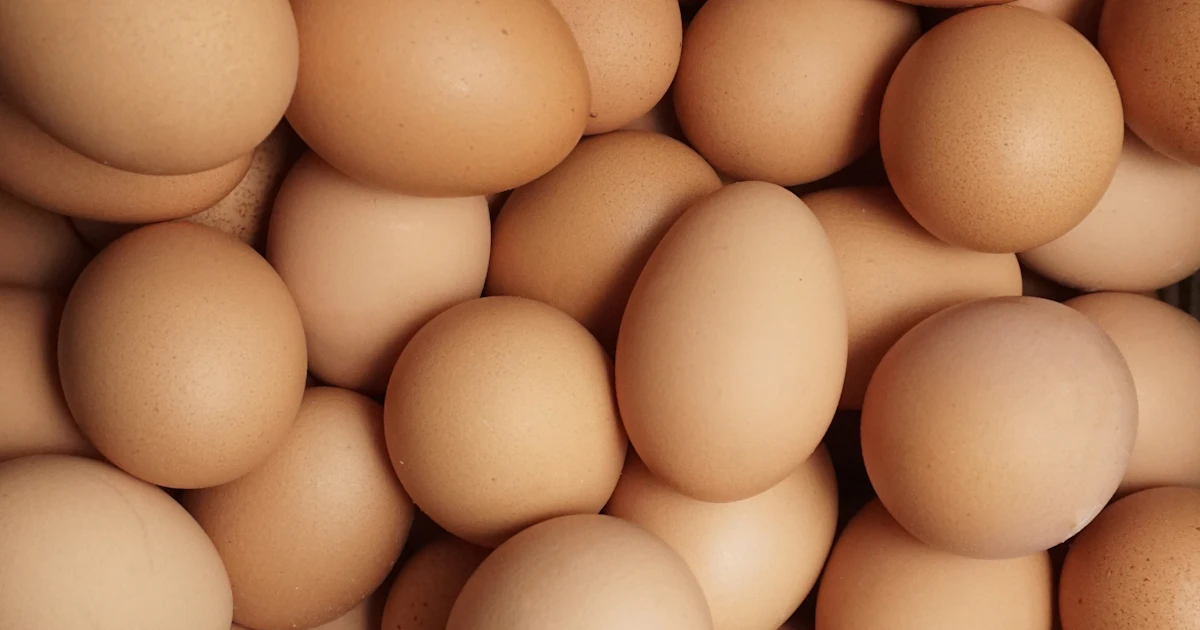
Photo by Raiyan Zakaria on Unsplash
Eggs are a staple in most kitchens, and plenty of dogs are happy to share breakfast. Dogs can eat eggs, but they should be fully cooked and plain, with no oil, butter, salt or seasoning.
Below you will find whether eggs are good for dogs, how many are reasonable and how to prepare them.
Quick answer: Yes, dogs can eat eggs, but they should be fully cooked and plain. Boiled, scrambled or poached eggs with no oil, butter, salt or seasoning are safe. Raw or undercooked eggs are not recommended because of the Salmonella risk. Eggs are rich in calories, so a typical serving is about ¼ egg for a toy dog, 1 egg for a medium dog and up to 2 eggs for a very large dog, once or twice a week.
On this page:
- Are eggs good for dogs?
- How many eggs can a dog eat?
- Cooked vs raw eggs
- How to prepare eggs for dogs
- What about eggshells?
- Risks and who should be careful
- FAQ
Are eggs good for dogs?
For most dogs, cooked eggs are a nutritious and easy-to-digest treat. A hard-boiled egg is a good source of protein and fat. Per 100 g it has about 155 calories, and one large egg (about 50 g) has roughly 78 calories (USDA). Eggs are also a common ingredient in dog foods.
That calorie count is the thing to watch. Egg yolk is energy-dense and rich in fat, so eggs are a treat, not a staple. A complete dog food already provides the nutrition your dog needs.
How many eggs can a dog eat?
The serving sizes below follow PetMD’s guidance for plain cooked eggs. They are a ceiling, not a target. Different sources give slightly different numbers, and your vet’s advice comes first.
Treats should stay at or under about 10% of your dog’s daily calories. For a 5 lb dog that budget is only about 21 calories, so a quarter egg uses nearly all of it. For larger dogs, the egg fits more easily, but count it along with other treats that day. Egg-heavy meals every day can lead to weight gain and an unbalanced diet.
| Dog weight | Serving (cooked egg) | How often | Approx. calories |
|---|---|---|---|
| 5 lb | ¼ egg | 1 to 2 times a week | about 20 |
| 10 lb | ¼ egg | 1 to 2 times a week | about 20 |
| 20 lb | ½ egg | 1 to 2 times a week | about 39 |
| 35 lb | 1 egg | 1 to 2 times a week | about 78 |
| 50 lb | 1 egg | 1 to 2 times a week | about 78 |
| 75 lb | 1½ eggs | 1 to 2 times a week | about 117 |
| 100 lb | 2 eggs | 1 to 2 times a week | about 156 |
Cooked vs raw eggs
Raw eggs can carry Salmonella, which can make dogs ill and can also spread to people in the home. Raw egg whites also contain avidin, a protein that blocks the absorption of biotin, a B vitamin. Biotin deficiency from eggs is rare in dogs, but Salmonella is the bigger practical worry. Cooking removes both concerns.
| Type | OK for dogs? | Note |
|---|---|---|
| Hard-boiled | Yes | Peel it. Easy to portion and carry. |
| Scrambled (no oil, butter, salt) | Yes | Cook thoroughly in a dry non-stick pan or with a splash of water. |
| Poached | Yes | Make sure the yolk is fully set. |
| Fried in butter or oil | Not ideal | Extra fat can upset the stomach. |
| Raw eggs | Not recommended | Risk of Salmonella. Offer no extra benefit over cooked. |
| Omelettes with cheese, onion or garlic | No | Onion and garlic are toxic. See can dogs eat onions. For cheese, see our cheese guide. |
How to prepare eggs for dogs
- Cook the egg until the white and yolk are fully set.
- Use no oil, butter, salt, pepper, onion, garlic or chives.
- Let it cool, and cut or mash it to suit your dog’s size.
- Serve it plain, or crumble it over regular food.
- If you cook a batch, refrigerate it and use it within about four days.
What about eggshells?
Eggshells contain calcium, and some sources say dogs can have them when prepared properly. Other sources advise against feeding shells at all. The safest advice is to skip them unless your vet tells you to. Ground shell is sometimes used as a calcium source in home-cooked diets, and the amount needs to be worked out by a vet or nutritionist, not guessed.
Risks and who should be careful
- Stomach upset. Too many eggs can cause vomiting or diarrhea.
- Salmonella. Mostly a problem with raw or undercooked eggs. Wash your hands and bowls after handling raw eggs.
- Pancreatitis and weight. Egg yolks are high in fat. Dogs with a history of pancreatitis, or on a low-fat or prescription diet, should only have eggs if their vet agrees.
- Allergy. Eggs are a known food allergen. Stop feeding them and call your vet if you see itching, ear problems, vomiting or diarrhea.
- Old eggs. Do not feed eggs that are cracked, spoiled or have been out of the fridge for long.
For other protein-rich snacks that need extra care, see peanut butter.
FAQ
Can dogs eat boiled eggs?
Yes. Peel the egg and cut it up. Boiled eggs are one of the simplest ways to serve them because there is no added fat.
Can dogs eat scrambled eggs?
Yes, if they are cooked thoroughly with no oil, butter, salt or seasoning. Avoid restaurant scrambled eggs, which often contain butter, salt and sometimes onion.
Can dogs eat raw eggs?
It is better to avoid raw eggs. They can carry Salmonella and offer no extra benefit over cooked eggs. If you feed a raw diet, ask your vet about the risks.
Can dogs eat eggs every day?
Small amounts may be fine for some healthy dogs, but daily eggs add a lot of calories and fat. The guideline above is one to two times a week, unless your vet suggests otherwise.
Can puppies eat eggs?
Yes, plain cooked egg in small amounts. Start with a spoonful and watch for stomach upset.
Can dogs eat egg yolk only or egg white only?
Both are acceptable when cooked, but the yolk is much richer in fat and calories. Feeding the whole cooked egg in the portions above is simpler.
Bottom line
Plain, fully cooked eggs are a safe, protein-rich treat for most dogs. Keep servings small, cook them without fats or seasoning, avoid raw eggs, and check with your vet if your dog has pancreatitis, allergies or a special diet.
PawFoodCheck is not a veterinary service. This article is general information and does not replace advice from your own veterinarian, who knows your dog’s health history.
Related guides
- Can dogs eat Doritos?
- Can dogs eat grilled cheese?
- Can dogs eat olives?
- Can dogs eat pistachios?
- Can dogs eat mayonnaise?
- Can dogs eat scrambled eggs?
References
- USDA FoodData Central, egg, whole, cooked, hard-boiled
- PetMD, Can Dogs Eat Eggs?
- American Kennel Club, Can Dogs Eat Eggs?
- Hill’s Pet Nutrition, Can Dogs Eat Eggs?
- Great Pet Care, Can Dogs Eat Eggs?