Can Dogs Eat Chocolate? Toxic Doses & What to Do (2026)
Last updated: November 25, 2026 · Sources are listed at the bottom. How we research
Veterinary reviewed by Dr Zahid Iqbal, DVM, MRCVS and Dr Fatih Bozbay, Veterinarian.
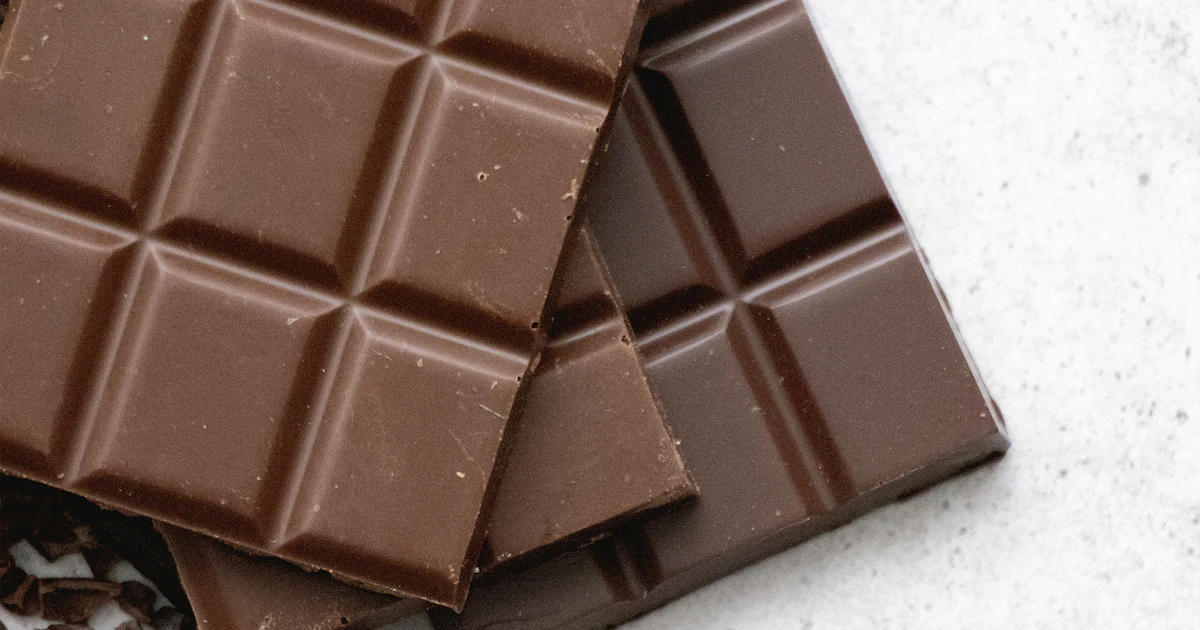
Photo by Tetiana Bykovets on Unsplash
Chocolate is one of the best-known foods dogs should not eat, and one of the easiest to come across by accident, from a dropped cookie to a bar left on a low table. It contains theobromine and caffeine, which dogs clear from the body slowly, and the darker and more bitter the chocolate, the more dangerous it is.
If your dog has already eaten some, go straight to the section on what to do. Further down you will find which types are the most dangerous and how much becomes a problem.
If your dog has eaten chocolate, call now. Phone your vet or an emergency vet clinic. In the US you can also call the ASPCA Animal Poison Control Center at (888) 426-4435 or Pet Poison Helpline at (855) 764-7661 (a consultation fee may apply). Have the chocolate type, amount, time and your dog’s weight ready. See the step-by-step guide below.
Quick answer: No. Chocolate is toxic to dogs because it contains theobromine and caffeine, which dogs clear from the body slowly. The darker and more bitter the chocolate, the more dangerous it is: baking chocolate and cocoa powder are the worst, then dark chocolate, then milk chocolate. White chocolate has almost no theobromine but is still not safe. How sick a dog gets depends on the type, the amount and your dog’s weight.
- Most dangerous: cocoa powder, unsweetened baking chocolate, dark chocolate, cocoa-bean mulch
- Less dangerous, but still a risk: milk chocolate, especially for small dogs
- Signs: usually start within a few hours, and can last 24 to 72 hours
- Do not wait for symptoms before calling
Jump to: What to do · Types of chocolate · How much is dangerous · Signs · Treatment · FAQ
Is chocolate toxic to dogs?
Yes. The US Food and Drug Administration explains that chocolate contains more theobromine than caffeine, and it is the theobromine that is the main cause of chocolate poisoning in dogs. The American Kennel Club adds that both chemicals can speed the heart rate and stimulate the nervous system. Washington State University’s veterinary hospital notes that dogs metabolise theobromine much more slowly than humans do, so it stays in the body longer.
The effect depends on three things: the type of chocolate, how much your dog ate, and how big your dog is. A large dog that eats a little milk chocolate may only get an upset stomach. The same amount of dark or baking chocolate, or any chocolate eaten by a small dog, can be dangerous. Dogs should never be given chocolate as a treat.
The fat and sugar in chocolate can also cause a painful inflammation of the pancreas (pancreatitis) in some dogs, even when the theobromine dose is low.
My dog ate chocolate. What do I do?
- Take the chocolate away so your dog cannot eat more.
- Find the wrapper and note the type of chocolate (milk, dark, baking, cocoa powder), the cocoa percentage if it is printed, roughly how much was eaten, when, and your dog’s weight.
- Call your vet or an emergency vet clinic. If you cannot reach one, call the ASPCA Animal Poison Control Center at (888) 426-4435 or Pet Poison Helpline at (855) 764-7661 in the US (fees may apply). Outside the US, call your local emergency vet.
- Do not make your dog vomit at home unless a vet or poison line tells you to.
- Follow their advice. Some dogs can be watched at home, and others need to be seen quickly. Take the wrapper with you.
Do not use the examples in this article to decide to wait. Brands vary, and the vet or poison line can work out the real risk from the label.
Which chocolate is the most dangerous?
The amount of theobromine per ounce (28 g) varies enormously by type. Figures from the FDA and from Pet Poison Helpline differ slightly, so ranges are shown.
These are estimates only. Real products vary by brand, cocoa percentage and added caffeine such as coffee flavoring, and the thresholds are guidelines, not a line between safe and unsafe. Dogs with heart disease or other health problems may react at lower doses. Always call, and let the vet or poison line calculate it.
| Product | Theobromine per ounce | Risk |
|---|---|---|
| White chocolate | About 0.25 mg | Very low theobromine, but the fat and sugar can still upset the stomach or trigger pancreatitis. |
| Milk chocolate | About 44 to 60 mg | Moderate. A real concern for small dogs or larger amounts. |
| Semisweet chocolate chips | About 135 mg | High. |
| Dark chocolate (70 to 85% cacao) | About 227 mg | High. Dangerous even in small amounts for small dogs. |
| Unsweetened baking chocolate | About 364 to 450 mg | Very high. Pet Poison Helpline says to seek emergency treatment for any amount. |
| Dry cocoa powder | About 400 to 737 mg | Very high. |
| Cocoa-bean mulch (garden) | About 56 to 900 mg | Can be dangerous. Keep dogs away from it. |
How much chocolate is dangerous for a dog?
The FDA says theobromine can cause mild signs in dogs from about 9 mg per pound of body weight (about 20 mg per kg), and severe signs from about 18 mg per pound (about 40 mg per kg). Washington State University’s veterinary hospital adds that seizures can occur above about 60 mg per kg. Caffeine adds to the effect.
Here is how the FDA’s numbers work out for a few examples:
| Example | Theobromine per lb of dog | Compared with the FDA thresholds |
|---|---|---|
| 10 lb dog eats 1 oz of milk chocolate (57 mg) | About 5.7 mg | Below the mild-signs threshold, but stomach upset is still possible. |
| 10 lb dog eats 1 oz of 70 to 85% dark chocolate (227 mg) | About 22.7 mg | Above the severe-signs threshold. Call immediately. |
| 10 lb dog eats 1 oz of baking chocolate (364 mg) | About 36.4 mg | Well above the severe-signs threshold. Emergency. |
| 50 lb dog eats 1 oz of 70 to 85% dark chocolate (227 mg) | About 4.5 mg | Below the mild-signs threshold, but still call for advice. |
Signs of chocolate poisoning
The FDA says signs can appear within a few hours and range from mild to severe:
- Vomiting and diarrhea
- Restlessness and hyperactivity
- Drinking and urinating more
- Rapid heart rate
- Muscle spasms or tremors
- Seizures, collapse and, in severe untreated cases, death
Because theobromine stays in the body for a long time, signs may last 24 to 72 hours, according to Washington State University. Pet Poison Helpline says dogs with mild signs, such as mild stomach upset or slight restlessness, have an excellent outlook, while dogs with collapse or seizures have a poor outlook without aggressive care. That is why early treatment matters.
What will the vet do?
- If it is early, the vet may induce vomiting and may give activated charcoal to reduce absorption.
- They may start intravenous fluids and monitor the heart, sometimes with an ECG and blood tests.
- In more severe cases they can give medicines to control heart rate and blood pressure, anti-nausea or stomach-protecting drugs, and anti-seizure medication. Dogs with seizures may be kept at the clinic overnight.
Dogs that receive prompt treatment typically recover well. Delayed treatment, large amounts of dark chocolate, seizures or heart rhythm problems make the outlook worse.
Foods that hide chocolate
- Brownies, chocolate cake, cookies and cocoa-dusted treats
- Hot chocolate and chocolate drinks
- Chocolate-covered nuts or raisins. Raisins are a separate danger, so read Can Dogs Eat Grapes?
- Sugar-free chocolate or baked goods, which may contain xylitol
- Coffee-flavored chocolate, which adds caffeine
If any of these were eaten, say so when you call. The extra ingredients can change the advice.
How to keep chocolate away from your dog
- Store chocolate, cocoa powder and baking supplies in closed cupboards, not on counters or in bags on the floor.
- Be extra careful at holidays, birthdays and when guests visit. Gifts and stockings are common sources.
- Put handbags and gift bags out of reach.
- Do not use cocoa-bean mulch in gardens your dog can reach.
- Keep a vet number and a poison-line number saved in your phone.
What can I give my dog instead?
The AKC suggests dog-safe alternatives such as treats made with carob. For simple fruit treats, see apples (no core or seeds), bananas (peeled) and strawberries (tops removed).
Frequently asked questions
Can dogs eat a little chocolate?
It is not safe to feed any. A small amount may only upset a big dog, but the risk rises sharply with dark chocolate and in small dogs. Call a vet or poison line if your dog ate some.
Is milk chocolate safe for dogs?
No. It has less theobromine than dark chocolate, but it is still toxic in larger amounts, and the fat and sugar can cause stomach upset.
Is white chocolate toxic to dogs?
It has very little theobromine, but it is still not safe. The fat and sugar can cause stomach upset or pancreatitis.
How long after eating chocolate will a dog show symptoms?
Often within a few hours, and signs can last 24 to 72 hours.
Will my dog die if it ate chocolate?
Death is uncommon. Most dogs that get prompt care recover, but severe cases, especially after dark or baking chocolate, can be fatal without treatment.
What if my dog ate a chocolate brownie or cake?
Call a vet or poison line. Check the recipe for dark chocolate, cocoa powder, raisins, nuts, coffee or xylitol.
Should I make my dog vomit after it ate chocolate?
Only if a vet or poison line tells you to. Home methods can be risky.
Can dogs eat carob?
Carob is the chocolate alternative the AKC mentions, in dog treats made for the purpose. Check the ingredient list.
Can dogs eat cocoa powder?
No. Dry cocoa powder is among the most concentrated sources of theobromine.
Is baker’s chocolate more dangerous than milk chocolate?
Yes. Baker’s (unsweetened) chocolate and cocoa powder have the highest levels of theobromine, so a small amount can be a bigger problem than the same weight of milk chocolate. Dark chocolate comes next, and white chocolate has very little theobromine but is still fatty and sugary. Use the dose table above, and call your vet if you are unsure.
What about chocolate candy, brownies or chocolate ice cream?
The theobromine content depends on how much real chocolate is in the product, and these foods also contain sugar and fat, and sometimes raisins, nuts or xylitol, which are separate dangers. Check the ingredients, estimate how much your dog ate, and call your vet or a poison line for anything beyond a lick.
Are puppies and small dogs at higher risk from chocolate?
Yes. The dose that matters depends on body weight, so the same amount of chocolate is a bigger dose for a puppy or small dog. Call your vet or a poison line promptly if a small dog or puppy eats any real amount.
The bottom line
Dogs should never eat chocolate. If yours has, call your vet or a poison line now, have the type, amount, time and weight ready, and do not wait for symptoms. Keep chocolate well out of reach, and offer safe treats instead.
This article is general information and does not replace advice from your own veterinarian. I am not a veterinarian. If you think your dog has eaten something toxic, contact a vet or poison line now. See our disclaimer.
Related guides
- Can dogs eat eggs?
- Can dogs eat olives?
- Can dogs eat pistachios?
- Can dogs eat walnuts?
- Can dogs drink coffee?
- Can dogs eat cookies?
- Can dogs eat cake?
- Can dogs drink alcohol?
- Can dogs eat Nutella?
- Can dogs eat macadamia nuts?
References
- US FDA: Chocolate toxicity in dogs (theobromine per ounce, dose thresholds, signs)
- Pet Poison Helpline: Can Dogs Die From Eating Chocolate? (prognosis)
- Pet Poison Helpline: chocolate poisoning in dogs (theobromine by product, treatment)
- Washington State University Veterinary Hospital: Chocolate toxicity in dogs (metabolism, thresholds, duration, treatment)
- American Kennel Club: Can Dogs Eat Chocolate? (theobromine and caffeine, carob)
- Webvet: Can Dogs Eat Chocolate? (types, white chocolate)