Can Dogs Eat Blue Cheese? Mold Toxin Risk & What to Do (2026)
Last updated: November 25, 2026
Veterinary reviewed by Dr Zahid Iqbal, DVM, MRCVS and Dr Fatih Bozbay, Veterinarian.
Photo by Duskfall Crew on Unsplash
Blue cheese has a strong smell that dogs notice, and a crumble on a salad or a cracker is easy to drop. Do not feed blue cheese to dogs. Blue cheeses such as Roquefort, Stilton and gorgonzola are made with mold, and they can contain roquefortine C, a toxin that may cause vomiting, diarrhea and tremors.
Below we explain why blue cheese is risky, what to do if your dog ate some and how blue cheeses compare.
Quick answer: No, do not feed blue cheese to dogs. Blue cheeses such as Roquefort, Stilton and gorgonzola are made with mold, and they can contain roquefortine C, a toxin that may cause vomiting, diarrhea, tremors and seizures in dogs. A tiny lick is not always an emergency, but a real amount is. If your dog ate blue cheese and shows tremors, agitation or seizures, call your vet or an emergency clinic right away. Pet Poison Helpline: 855-764-7661. ASPCA Animal Poison Control: 888-426-4435 (consultation fees may apply).
On this page
- Can dogs have blue cheese?
- Why blue cheese is risky
- My dog ate blue cheese: what to do
- Blue cheese in different foods
- FAQ
Can dogs have blue cheese?
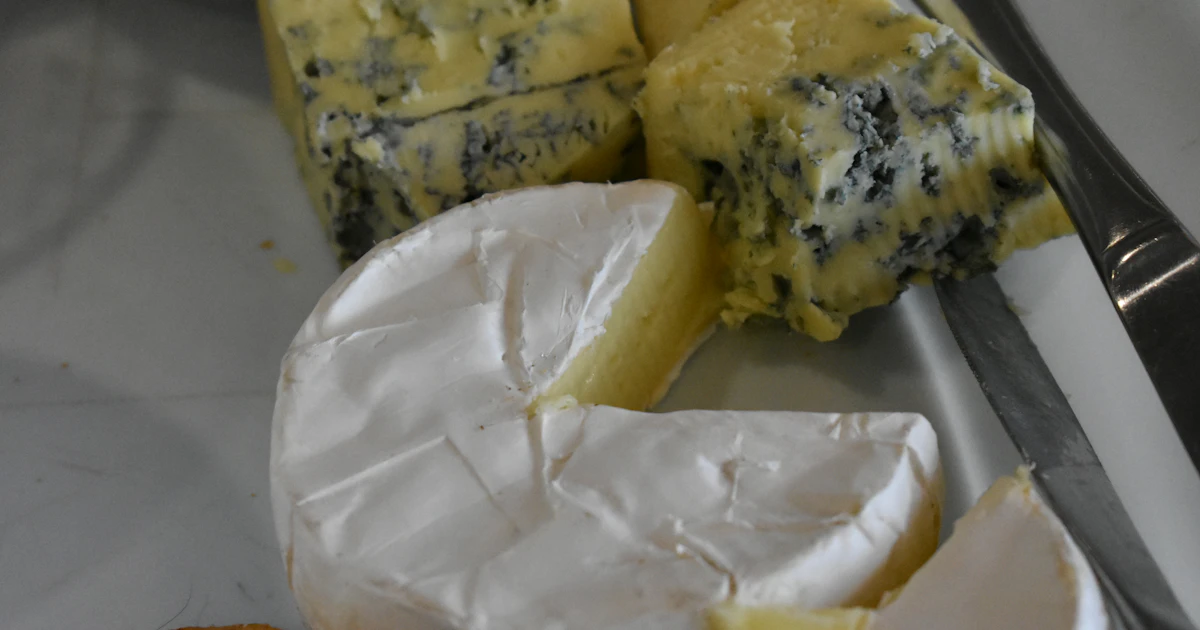
No. Blue cheese gets its veins and flavor from Penicillium molds. Some of these molds can produce roquefortine C, a tremorgenic mycotoxin, which means it can affect the nervous system. Veterinary toxicology sources list blue cheeses as a risk, and the risk is higher with larger amounts and smaller dogs. Blue cheese is also rich, fatty and salty. Safer choices are plain cheeses in tiny pieces, such as string cheese, mozzarella or Swiss. For the full cheese overview, see can dogs eat cheese.
Why blue cheese is risky
- Mold toxins: Roquefortine C and related compounds can cause tremors, agitation and seizures in dogs.
- Fat and salt: Blue cheese is rich and salty, which can upset the stomach and may trigger pancreatitis in susceptible dogs.
- Lactose: Some dogs react to dairy. See can dogs drink milk.
- Add-ins: Blue cheese dressing, dips and wings often contain garlic, onion and heavy seasoning.
Not every dog that licks blue cheese will become ill, but there is no reliable “safe” amount, so the safest choice is to avoid it.
My dog ate blue cheese: what to do
Stay calm and check how much was eaten, the type of cheese, your dog’s weight, and when it happened. Then:
- Remove what is left and keep the packaging.
- Call your vet or a poison helpline (Pet Poison Helpline 855-764-7661 or ASPCA Animal Poison Control 888-426-4435) for advice based on your dog’s size and the amount.
- Do not induce vomiting unless a vet tells you to.
- Watch for signs: vomiting, drooling, restlessness, panting, tremors, wobbliness or seizures. Signs of mycotoxin poisoning can appear within hours.
- Go to an emergency clinic if you see tremors, a stiff gait or seizures.
Treatment, if needed, is supportive and is decided by a vet. Early care generally improves outcomes.
Blue cheese in different foods
| Form | Safe? | Notes |
|---|---|---|
| Roquefort, Stilton, gorgonzola, danish blue | No | Mold toxin risk; rich and salty |
| Blue cheese crumbles on salad | No | Cheese plus onion, dressing and salt |
| Blue cheese dressing and dip | No | Garlic, onion, fat and salt |
| Buffalo wings with blue cheese | No | Spicy sauce, fat and bones |
| Blue cheese burger toppings | No | Mold toxin risk plus rich meat |
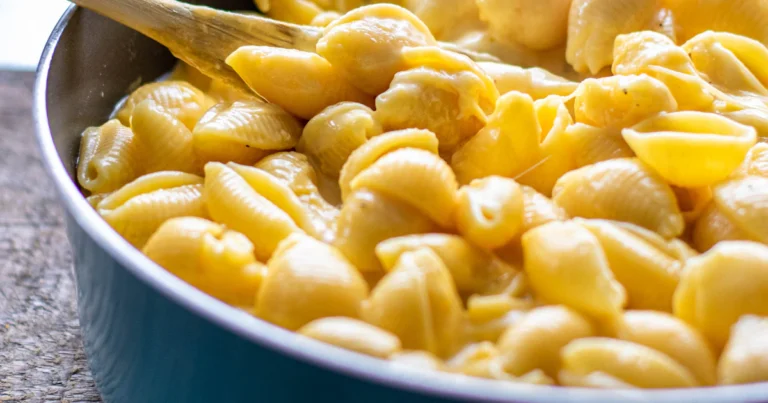
| Moldy cheese or bread | No | Unknown mold toxins; see mac and cheese for other cheese dishes to avoid |
| Plain mozzarella or Swiss, tiny piece | Better choice | See mozzarella and Swiss |
Roquefortine C, the mold toxin
Hepper says never to give blue cheeses such as Roquefort, Stilton or Gorgonzola because they may contain roquefortine C, which dogs are particularly sensitive to and which can cause vomiting, diarrhea and, in large amounts, tremors and seizures. PetMD’s cheese table says blue cheese is not safe because it contains roquefortine and is toxic. Hepper’s charcuterie guide extends the warning to other soft-ripened cheeses.
The same toxin shows up elsewhere
Hepper’s mulch guide lists roquefortine and penitrem A as mycotoxins from certain molds that can cause vomiting, tremors and seizures. That is the same family of compound blue cheese can carry, which explains why vets treat moldy foods as a toxin concern rather than just a fat concern.
Blue cheese hiding in other foods
PetMD says that if a dog eats a stuffed olive containing blue cheese, contact the vet right away, because blue cheese may contain a chemical that is toxic. PetMD says other cheeses in olives, such as feta or cheddar, do not carry the same risk. Check dressings, salads, burgers and olive trays before leaving food unattended.
Fat and lactose still apply
Even without the mold, blue cheese is cheese. Hepper says excess fat can upset the stomach or trigger pancreatitis in susceptible dogs, and that some dogs are lactose-intolerant. PetMD’s food poisoning guide says a wedge of cheese can be enough to cause pancreatitis in fat-sensitive dogs.
What the sources say about quantity
PetMD calls blue cheese toxic and says to avoid it. Hepper’s wording is more specific: it says severe signs occur if large amounts are eaten. A crumb is unlikely to be the same as a wedge, but none of the sources recommend giving blue cheese deliberately.
FAQ
Can dogs eat blue cheese?
No. Blue cheese can contain a mold toxin that is dangerous to dogs, and it is also rich and salty.
My dog licked blue cheese dressing. Is that an emergency?
A small lick is usually not an emergency, but dressings often contain garlic, onion and salt. Watch your dog closely and call your vet if you are worried or you see any signs.
What are the signs of mold toxin poisoning in dogs?
Vomiting, drooling, restlessness, panting, tremors, an unsteady gait and seizures. If you see tremors or seizures, go to an emergency vet.
Can dogs eat gorgonzola, Stilton or Roquefort?
These are blue cheeses, so the same advice applies. Avoid them.
What cheese is safe instead?
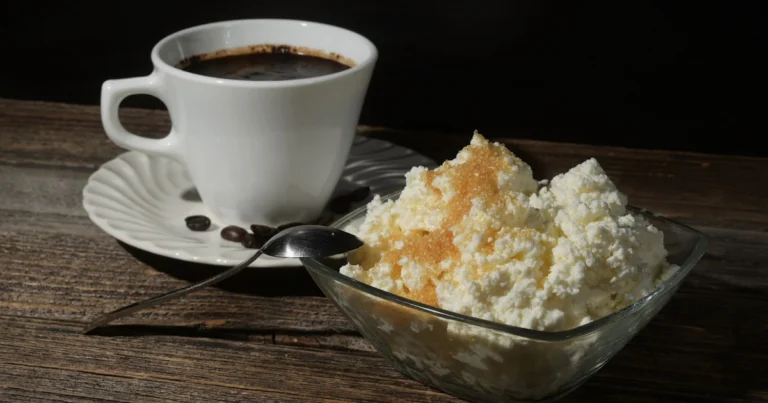
Plain, mild cheeses in tiny pieces, such as mozzarella, Swiss or cottage cheese, are lower risk treats for dogs that tolerate dairy. See cottage cheese.
Is blue cheese more dangerous for puppies?
The risk depends on body weight, so the same amount of blue cheese is a bigger dose for a puppy or a small dog. Do not offer it, and call your vet if your puppy ate any real amount.
Is blue cheese toxic to dogs?
PetMD says yes because of roquefortine, and Hepper says dogs are particularly sensitive to roquefortine C.
Which cheeses are like blue cheese?
Hepper names Roquefort, Stilton and Gorgonzola, and says to avoid other soft-ripened cheeses too.
Can dogs eat blue cheese dressing?
The sources reviewed do not cover dressing directly. Blue cheese is the concern, so avoid it, and watch for garlic and onion too.
What cheese is safer than blue cheese?
PetMD’s cheese guide calls low-fat, low-lactose options like mozzarella safer, and lists cottage cheese and goat cheese as fine in moderation.
Bottom line
Skip blue cheese entirely. If your dog has eaten more than a tiny lick, call your vet or a poison helpline for advice, and head to an emergency clinic if you see tremors or seizures.
I’m not a veterinarian. This article is general information and does not replace advice from your vet or a poison control service.
References
- Pet Poison Helpline, moldy foods and tremorgenic mycotoxins
- ASPCA Animal Poison Control, moldy food
- Merck Veterinary Manual, mycotoxin poisoning in small animals
- American Kennel Club (AKC), can dogs eat cheese
- PetMD, Can Dogs Eat Cheese? (blue cheese toxic)
- Hepper, Can Dogs Eat Brie? (roquefortine C)
- Hepper, Dog Charcuterie Boards (blue cheeses, soft-ripened)
- Hepper, Can Dogs Eat Cheese? (mold, fat)
- PetMD, Can Dogs Eat Olives? (blue cheese stuffed olives)
- Hepper, My Dog Ate Mulch (roquefortine, penitrem A)
- PetMD, Can Dogs Get Food Poisoning? (cheese and pancreatitis)