Can Dogs Eat Mac and Cheese? Risks, Kraft & What to Do (2026)
Last updated: November 25, 2026
Veterinary reviewed by Dr Zahid Iqbal, DVM, MRCVS and Dr Fatih Bozbay, Veterinarian.
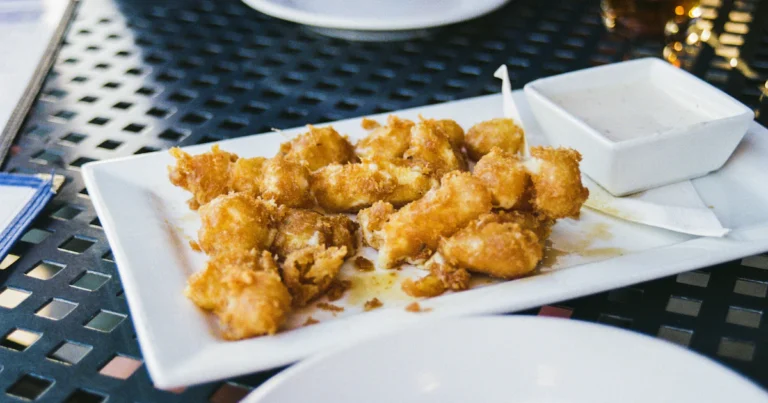
Photo by Leanna Myers on Unsplash
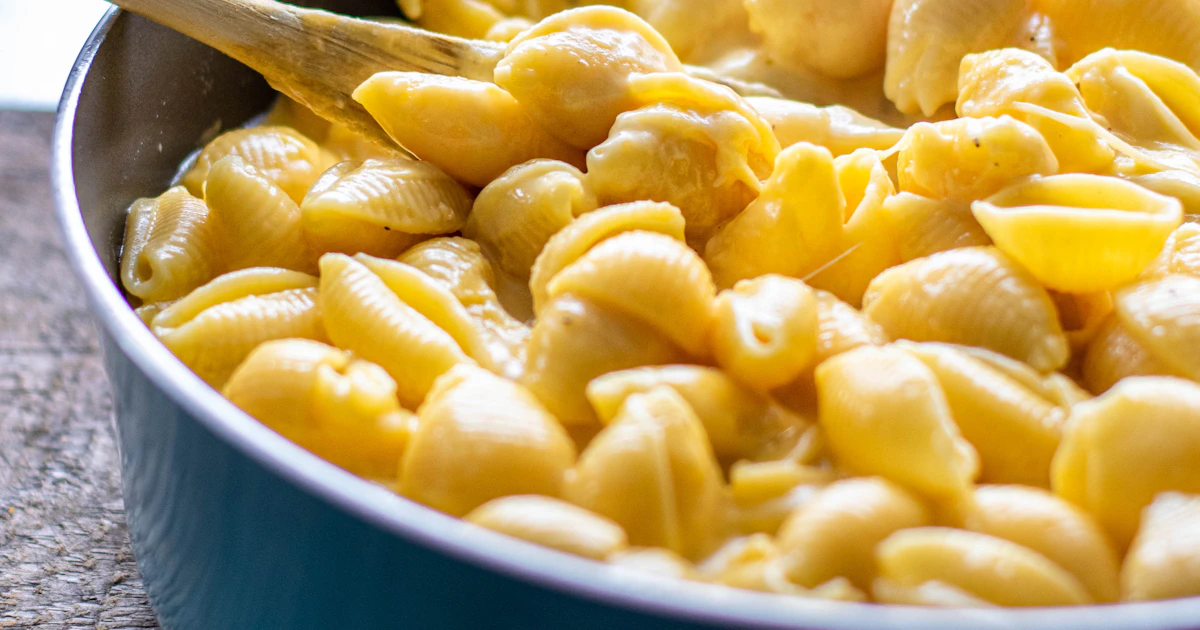
Mac and cheese is comfort food for people, and leftovers in the bowl are easy for a dog to reach. A small bite will not poison a large, healthy dog, but mac and cheese is not recommended: it is rich in fat and salt, made with dairy that many dogs cannot digest well, and often contains onion or garlic.
This guide explains why mac and cheese is a problem, what to do if your dog ate some and how different kinds compare.
Quick answer: Mac and cheese is not recommended for dogs. A small bite will not poison a large, healthy dog, but it is rich in fat and salt, made with dairy that many dogs cannot digest well, and often contains onion or garlic powder. Too much can cause stomach upset or pancreatitis. If your dog ate some, check the ingredients and the amount before deciding what to do.
On this page
- Can dogs have mac and cheese?
- Why mac and cheese is a problem
- What to do if your dog ate mac and cheese
- Types of mac and cheese compared
- Better ways to share
- FAQ
Can dogs have mac and cheese?
Technically a bite will not harm most large dogs, but vets and major pet sources advise against it. Mac and cheese combines pasta, cheese and a creamy sauce, and each part brings a problem. The pasta is plain carbohydrate (see can dogs eat pasta), the cheese is high in fat and lactose (see can dogs eat cheese), and the sauce often adds butter, milk, salt and seasonings. Because the honest amount for most dogs is none, I do not give a feeding table for mac and cheese.
Why mac and cheese is a problem
- Fat: Butter, cream and cheese make a very rich dish. Fatty foods can cause vomiting and diarrhea and may trigger pancreatitis, a painful inflammation of the pancreas, especially in small dogs.
- Lactose: Milk and cheese sauce contain lactose, and many dogs cannot digest it well, which causes gas, bloating and diarrhea. See can dogs drink milk.
- Salt: Boxed mixes, cheese powders and restaurant versions are salty. A large dose of salt can be dangerous, especially for small dogs.
- Onion and garlic: Boxed cheese sauce powders and homemade recipes often contain onion powder or garlic powder, which are harmful to dogs. See onions and garlic.
- Add-ins: Bacon, ham, hot dog pieces, breadcrumbs, hot sauce, jalapeños or lobster make it worse. See bacon.
- Weight gain: It is calorie-dense for its portion, and these calories add up fast.
Signs of trouble include vomiting, diarrhea, loss of appetite, a hunched or painful belly, lethargy and, with a lot of salt, extreme thirst. They can appear within a day or two.
What to do if your dog ate mac and cheese
Pet Poison Helpline: 855-764-7661. ASPCA Animal Poison Control: 888-426-4435. Do not make your dog vomit unless a vet tells you to.
| What happened | What to do |
|---|---|
| A small bite or a few noodles, and your dog is a large healthy adult | Usually just watch for stomach upset over the next day |
| Any amount for a small dog, or a few spoonfuls for any dog | Offer fresh water, feed a normal bland meal, and call your vet for advice |
| A large serving, a whole pan or a box of dry mix | Call your vet or poison control now, even if your dog seems fine |
| Mac and cheese with onion, garlic, bacon or other add-ins | Call your vet; onion and garlic harm can show up a day or more later |
| Vomiting, diarrhea, painful belly or no appetite | Call your vet; these can be signs of pancreatitis |
| Extreme thirst, tremors or weakness | Emergency: go to a vet immediately |
Types of mac and cheese compared
| Type | Safe? | Notes |
|---|---|---|
| Homemade with butter, milk and cheese | Not recommended | Fat and lactose |
| Boxed (such as Kraft) with cheese powder | Not recommended | Salt, additives and often onion or garlic powder |
| Baked mac and cheese with breadcrumbs | No | Extra fat and salt |
| Restaurant or frozen mac and cheese | No | Hidden seasonings, high salt |
| Mac and cheese with bacon, ham or hot dogs | No | Salt and fat |
| Spicy or jalapeño mac and cheese | No | Heat and seasonings |
| Lobster or seafood mac and cheese | No | Rich, and shellfish add risk |
| Plain cooked macaroni, no sauce | Yes, in small amounts | See pasta |
| Small cube of plain cheddar | Yes, in small amounts | See cheddar cheese |
Better ways to share
If you want your dog to join in, offer a spoonful of plain cooked macaroni without sauce, a tiny cube of plain cheese as a training treat, or a lean protein such as plain cooked chicken. Dog-specific treats are also good because their fat and salt are controlled.
FAQ
Can dogs eat mac and cheese?
A small bite is unlikely to hurt a large healthy dog, but it is not recommended because of fat, salt, lactose and seasonings.
Can dogs eat Kraft mac and cheese?
It is better to avoid it. The cheese powder is salty and often contains onion or garlic powder. Check the label, and call your vet if your dog ate a lot.
Can puppies eat mac and cheese?
No. Puppies are small and sensitive, and the fat, salt and lactose are hard on them.
Can dogs eat leftover mac and cheese?
No. Leftovers are just as rich and salty, and can have spoiled if left out.
Is mac and cheese toxic to dogs?
Not by itself, but onion and garlic powders, large amounts of salt or fat, and certain add-ins can be harmful.
My dog ate a whole bowl of mac and cheese. What now?
Call your vet, especially if your dog is small or the dish had onion, garlic or bacon. Watch for vomiting, diarrhea, a painful belly and extreme thirst over the next day or two.
Related: cheese dips and spreads such as queso are covered in our pimento cheese, Cheese Whiz and cheese dips guide.
Bottom line
Mac and cheese is not toxic in a technical sense, but it is a poor choice for dogs: rich, salty and often seasoned with onion or garlic. A single bite is not usually an emergency for a big dog, but anything more deserves a call to your vet.
I’m not a veterinarian. This article is general information and does not replace advice from your vet, especially for dogs with pancreatitis or food allergies.
References
- American Kennel Club (AKC), can dogs eat cheese and pasta
- PetMD, can dogs eat cheese
- Chewy, can dogs eat cheese
- Pet Poison Helpline, onion, garlic and salt toxicity in dogs