Can Dogs Eat Cheese Curds, Manchego & Specialty Cheeses? (2026)
Last updated: November 25, 2026
Veterinary reviewed by Dr Zahid Iqbal, DVM, MRCVS and Dr Fatih Bozbay, Veterinarian.
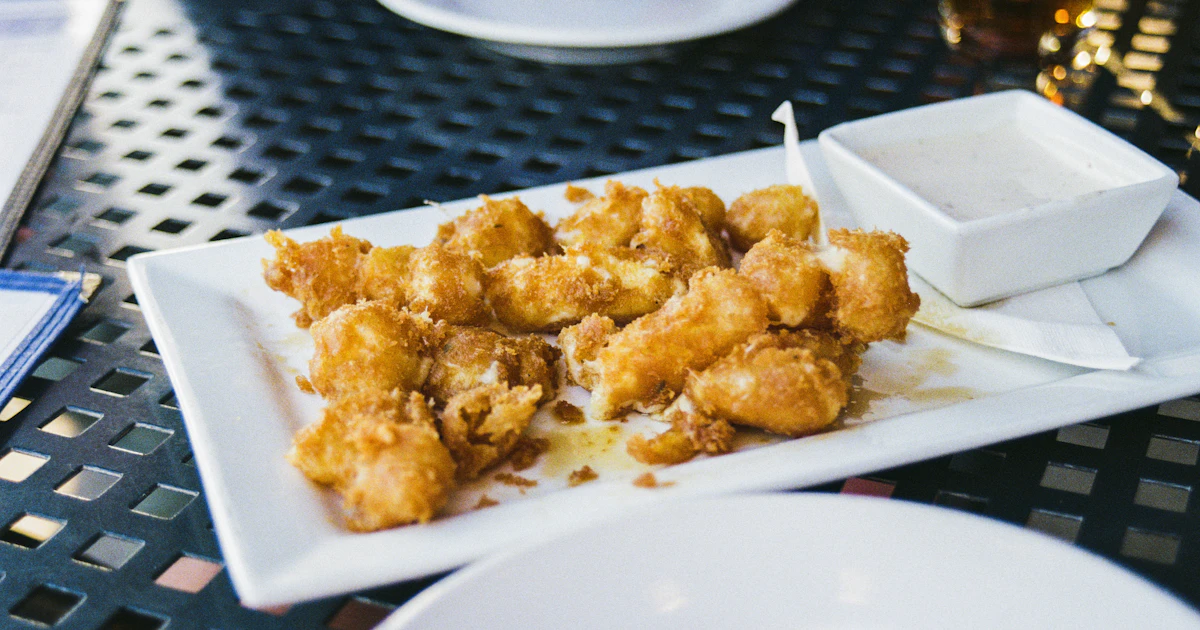
Photo by Paul Esch-Laurent on Unsplash
Fresh cheese curds, squeaky and mild, are a snack that is easy to share by accident. For dogs the answer is sometimes, in tiny amounts. Plain, pasteurized cheese curds and a small piece of mild oaxaca or queso fresco can be an occasional treat for a healthy dog.
This guide compares specialty cheeses, explains the risks and covers how much is okay.
Quick answer: Sometimes, in tiny amounts. Plain, pasteurised cheese curds and a small piece of mild oaxaca or queso fresco can be an occasional treat for a healthy dog. Cotija and Romano are very salty, flavored or fried curds are not suitable, and manchego is rich enough to be a rare, tiny taste. Cheese is high in fat and many dogs are lactose-sensitive, so none of these is a daily food.
On this page
Can dogs have cheese curds?
Yes, in small amounts, if they are plain. Fresh cheese curds are young cheese, usually cheddar, that has not been pressed or aged. They are mild and slightly salty, and they are known for the squeak when you bite them. Plain curds are not toxic to dogs, but they carry the same two concerns as other cheese: fat and, for some dogs, lactose.
The American Kennel Club notes that cheese contains less lactose than milk but can still upset a sensitive dog, and that its fat can contribute to pancreatitis. Treat a curd the way you would treat a cube of cheddar: one tiny piece, now and then. The full picture is in our guide to can dogs eat cheese.
Skip fried curds, which come with batter, oil and often a dipping sauce, and any flavored curds with garlic, onion, ranch or jalapeño. Fresh curds from a farm stand or market may also be made from raw milk. Unpasteurised dairy can carry bacteria that make dogs sick, so choose pasteurised curds.
Specialty cheeses compared
Offer it once or twice a week at most, and count it as part of your dog’s treat allowance. Dogs with a history of pancreatitis, kidney disease or a prescription diet should skip it. For a safer everyday pick, see the best cheese for dogs, ranked or try goat cheese in a tiny amount.
| Cheese | Verdict | Notes |
|---|---|---|
| Plain cheese curds | Tiny piece | Mild and young. Pasteurised only. See above. |
| Oaxaca | Tiny piece | Mild, stringy Mexican melting cheese. Plain only. |
| Queso fresco | Tiny piece, pasteurised | Fresh and soft. Salt varies by brand. Skip raw-milk versions. |
| Manchego | Rare, tiny taste | Aged sheep milk cheese that is rich and fairly salty. Remove the hard rind. |
| Jarlsberg | Tiny piece | Mild, nutty Swiss-style cheese. Treat it like Swiss. |
| Truffle cheese | Skip | Rich, with added flavoring. No benefit for a dog. |
| Romano | Avoid | Very salty hard cheese. Parmesan is also salty. |
| Cotija | Avoid | USDA lists about 1,600 mg of sodium per 100 g, roughly 450 mg per ounce. |
Risks to know
- Salt: Hard, aged and brined cheeses can be very salty. Too much salt makes dogs thirsty and can cause vomiting, and very large amounts are dangerous. Feta is another salty example.
- Fat: Rich cheeses can upset the stomach and, in dogs that are prone to it, trigger pancreatitis. If your dog has had pancreatitis, skip cheese unless your vet says otherwise.
- Lactose: Aged cheeses have very little lactose compared with a cup of milk, according to Penn State Extension. Fresh cheeses such as curds and queso fresco keep a little more. See can dogs drink milk.
- Raw milk: Some fresh and imported cheeses are made from unpasteurised milk, which can carry harmful bacteria.
- Rinds: A hard rind is a choking hazard and is not meant to be eaten.
- Flavorings: Garlic, onion and hot peppers turn up in flavored curds and Mexican cheese dishes. Read can dogs eat onions and can dogs eat garlic.
How much is okay?
There is no vet standard for specialty cheese. For the mild options in the table above, these are my own conservative estimates for an occasional treat, not veterinary figures.
| Dog weight | Occasional amount (mild cheeses only) |
|---|---|
| Under 10 lb (4.5 kg) | A pea-size piece |
| 10 to 25 lb (4.5 to 11 kg) | 1 to 2 pea-size pieces |
| 25 to 50 lb (11 to 23 kg) | About a thumbnail-size piece |
| 50 to 100 lb (23 to 45 kg) | 1 to 2 thumbnail-size pieces |
| Over 100 lb (45 kg) | A small cube, about 2 cm (3/4 inch) wide |
FAQ
Can dogs eat squeaky cheese curds?
Yes, if they are plain, pasteurised and offered as a tiny piece. The squeak does not matter. The salt, fat and any added flavoring do.
Can dogs eat fried cheese curds?
No. The batter, oil and salt make them very fatty, which can upset the stomach or trigger pancreatitis, and the dipping sauces often contain onion or garlic.
Can dogs eat manchego rind?
No. The rind is hard and not meant to be eaten, so it is a choking hazard and tough on teeth. Cut it off and offer only a tiny piece of the cheese, if at all.
Can dogs eat queso fresco?
A tiny piece of plain, pasteurised queso fresco is acceptable as a rare treat. Check the label for salt, and skip raw-milk versions.
Can dogs eat cotija cheese?
It is best avoided because it is so salty. A crumb that fell from a taco is unlikely to harm a healthy dog, but tacos and elote often contain onion, so check what else was in the dish. If your dog ate a large amount, call your vet.
Is oaxaca cheese safe for dogs?
A tiny piece of plain oaxaca is fine as an occasional treat. It is mild, but it is still cheese, so the same limits on fat and portion size apply.
Can puppies eat cheese curds?
It is better not to. Puppies have sensitive stomachs, and a rich, salty snack is not a good start. If you want to offer a taste, ask your vet first.
What is the safest cheese for a dog?
Plain low-fat cottage cheese and a small piece of mozzarella are usually the gentlest options. See the best cheese for dogs guide.
Bottom line
Plain, pasteurised cheese curds and a few mild specialty cheeses are fine as a rare, tiny treat. Keep away from salty cotija and Romano, fried or flavored curds, and anything with garlic or onion. When in doubt, choose a plain mild cheese.
I’m not a veterinarian. This article is general information and does not replace advice from your vet.
References
- American Kennel Club, can dogs eat cheese (lactose, fat and pancreatitis)
- Penn State Extension, Selecting Cheese for Health (lactose and sodium by cheese type)
- USDA FoodData Central, cheese, cotija (sodium)
- Kinship, can dogs eat cheese (risks of unpasteurised dairy)