Can Dogs Eat Feta Cheese? Salt Risks & Safe Amounts (2026)
Last updated: November 25, 2026
Veterinary reviewed by Dr Zahid Iqbal, DVM, MRCVS and Dr Fatih Bozbay, Veterinarian.
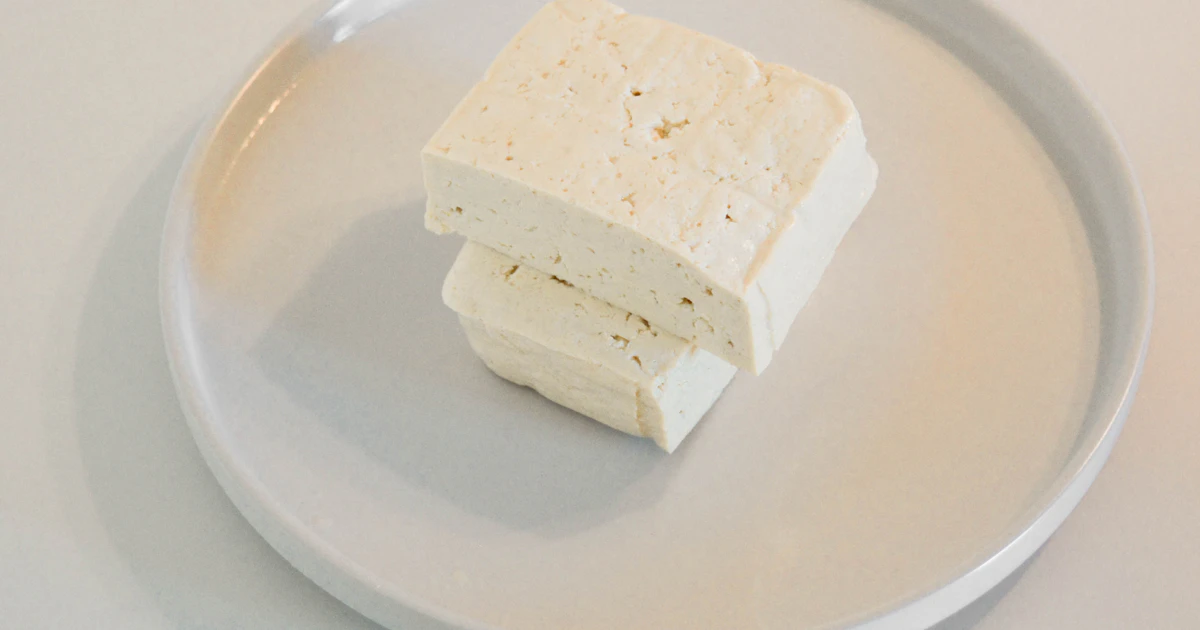
Photo by Christina on Unsplash
Feta is a salty, crumbly cheese often sprinkled on salads, so crumbs end up on the floor. It is not toxic, but it is not a great choice, since it is brined, very salty, soft and fatty. A tiny crumb now and then is unlikely to hurt a healthy dog, but plain, lower-sodium cheese is better.
This guide covers the risks, a quick look at feta’s nutrition and how much feta is too much.
Quick answer: Feta is not toxic, but it is not a great choice. It is brined, so it is very salty, and it is soft and fatty. A tiny crumb now and then is unlikely to hurt a healthy dog, but plain, lower-sodium cheeses such as cottage cheese or mozzarella are better options. Avoid feta mixed with garlic, onion, herbs, olives or in salads.
On this page
- Can dogs have feta cheese?
- Risks to know
- Nutrition at a glance
- How much feta is too much?
- Feta in different foods
- FAQ
Can dogs have feta cheese?
Feta is a soft cheese traditionally made from sheep’s milk, or a sheep and goat milk blend, and stored in salty brine. It is not poisonous to dogs, and a small crumb is not an emergency. The problem is salt. Feta is among the saltier cheeses, with roughly 300 mg of sodium in a 1-ounce (28 g) serving, which is a lot for a small dog. It also has about 75 kcal per ounce and a good amount of fat. For the full cheese overview see can dogs eat cheese.
Risks to know
- Salt: Too much sodium can cause thirst and urination, and in large amounts can lead to salt poisoning. This matters most for small dogs and dogs with heart or kidney disease. See also parmesan, another salty cheese.
- Fat: Rich foods can upset the stomach and may trigger pancreatitis in susceptible dogs.
- Lactose: Feta has less lactose than milk, but some dogs still react to dairy. See can dogs drink milk.
- Added ingredients: Feta in salads often comes with onion, garlic, olives and dressing. Onion and garlic are harmful; see can dogs eat garlic.
- Unpasteurized cheese: Raw-milk soft cheeses can carry bacteria such as Listeria or Salmonella. Choose pasteurized if you share any at all.
Feta nutrition at a glance
These are the figures for a 1-ounce (28 g) serving, which is far more than most dogs should get in one go.
That is a lot of sodium for a small piece, which is the main reason to keep portions tiny or skip it. For comparison, cheddar has about 185 mg of sodium per ounce.
Source: USDA FoodData Central, “Cheese, feta” (FDC ID 173420), converted from per-100 g values and rounded.
| Per 1 oz (28 g) | Amount |
|---|---|
| Calories | about 75 kcal |
| Fat | about 6.1 g |
| Protein | about 4.0 g |
| Sodium | about 323 mg |
How much feta is too much?
There is no vet-set limit for feta. The amounts below are my own conservative estimates for a healthy adult dog, given as a crumb-size occasional taste rather than a regular treat. Skip it entirely for dogs with heart disease, kidney disease, pancreatitis or a history of salt-sensitive problems.
If your dog eats a large block or a lot of feta, give water, watch closely, and call your vet. Signs of too much salt include vomiting, diarrhea, extreme thirst, tremors or lethargy.
| Dog weight | Occasional taste (max) |
|---|---|
| Under 10 lb (4.5 kg) | 1 tiny crumb, or skip |
| 10 to 25 lb (4.5 to 11 kg) | 1 to 2 small crumbs |
| 25 to 50 lb (11 to 23 kg) | About 1 teaspoon crumbled |
| 50 to 100 lb (23 to 45 kg) | About 2 teaspoons crumbled |
| Over 100 lb (45 kg) | About 1 tablespoon crumbled |
Feta in different foods
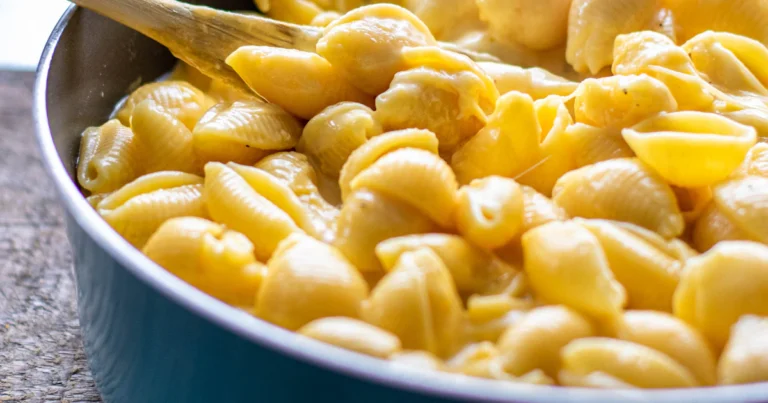
Other cheese guides: cheddar and mac and cheese.
| Form | Safe? | Notes |
|---|---|---|
| Plain feta, one crumb | Tiny amount only | Salty; not a regular treat |
| Feta in brine, rinsed | Tiny amount only | Rinsing reduces some salt but not all |
| Greek salad with feta | No | Onion, olives, dressing and salt |
| Spinach and feta pastry (spanakopita) | No | Dough, butter, onion and salt |
| Feta with garlic or herbs | No | Garlic and onion are harmful |
| Whipped feta dip | No | Often garlic, oil and lemon |
| Feta pizza | No | Dough, salt, onions and fat |
| Cottage cheese or mozzarella | Better choices | Lower salt; small amounts. See cottage cheese and mozzarella |
Salt numbers for feta
Hepper’s feta guide says a one-ounce serving has about 323 mg of sodium and about 6.1 grams of fat, less fat than cheddar or Swiss but still more than a digestive system handles well in large amounts. Citing the MSD Veterinary Manual, it says salt poisoning can happen at about 4 grams of salt per kilogram of body weight, which for a 2 kg Chihuahua would take roughly 1.5 pounds of feta. It adds that this is an unrealistic amount, but sodium still adds up. Hepper’s cheese guide says particularly salty cheese such as feta should be avoided as it can upset the stomach and increase thirst.
PetMD versus Hepper
PetMD’s cheese table says feta is okay occasionally, high in sodium and lactose. Hepper’s feta article says it is not toxic but not recommended, and Hepper’s cottage cheese ranking lists feta among cheeses that should not be fed. If your dog is small, has a sensitive stomach or has had pancreatitis, the Hepper end is the safer reading.
Brine and lactose
Hepper says the brine is what boosts the sodium content. It also says feta contains lactose, and many dogs are lactose intolerant, so loose stools, gas, vomiting or abdominal pain may follow. The AKC says cheeses with herbs or other additions may contain garlic, onions or chives, which are toxic, so check flavored feta before sharing.
If you share a crumble anyway
Hepper’s feta guide says if you decide to offer a taste, give a very small crumble now and then. PetMD says cheese should be no more than 10 percent of a dog’s daily diet and to discuss frequency with your vet, since some dogs with pancreatitis may need cheese limited to a few times a year.
Feta in other foods
PetMD’s olive guide says feta-stuffed olives do not carry the same risk as blue cheese ones, but olives have their own issues. Salad and pasta dishes with feta may carry garlic, onion and dressing; Hepper lists feta crumbled over pasta, salads and potatoes as common uses, so check the rest of the plate too.
FAQ
Can dogs eat feta cheese?
A tiny crumb is unlikely to harm a healthy dog, but feta is very salty and not recommended as a treat.
Can dogs eat crumbled feta?
Only a few crumbs at most, and only if the feta is plain. Do not share crumbles from a salad or pastry.
Is feta toxic to dogs?
No, feta is not toxic. The concerns are salt, fat, and possible harmful add-ins such as garlic and onion.
My dog ate a lot of feta. What should I do?
Offer fresh water and call your vet, especially if your dog is small or has heart or kidney disease. Watch for vomiting, diarrhea, heavy thirst, tremors or weakness.
Is goat cheese or feta better for dogs?
Neither is a great regular treat. Both are rich, and feta is much saltier. Mild, plain cheeses in tiny pieces are the lower-risk option.
Can puppies eat feta?
It is best to skip it. Feta is salty, and puppies are small, so the salt adds up quickly. Choose a tiny piece of a plain, lower-sodium cheese instead.
Is feta cheese toxic to dogs?
Hepper says feta is not toxic but not recommended because of its sodium and fat.
How much sodium is in feta?
Hepper says about 323 mg per ounce, from the brine.
Is feta safer than blue cheese?
PetMD says blue cheese contains roquefortine and is toxic, while feta is okay occasionally; that does not make feta recommended.
Can dogs with pancreatitis eat feta?
PetMD says some dogs with pancreatitis need cheese restricted to a few times a year, and Hepper’s Gouda guide says to steer clear of cheese altogether for dogs susceptible to pancreatitis.
Bottom line
Feta is not poisonous, but its salt content makes it a poor treat. If you want to share cheese, pick a plain, low-sodium option in tiny pieces, and keep feta salads and pastries away from your dog.
I’m not a veterinarian. This article is general information and does not replace advice from your vet, especially for dogs with heart disease, kidney disease or pancreatitis.
References
- American Kennel Club (AKC), can dogs eat cheese
- PetMD, can dogs eat cheese
- Pet Poison Helpline, salt toxicity
- Merck Veterinary Manual, salt poisoning in animals
- USDA FoodData Central, feta cheese nutrient data
- Hepper, Can Dogs Eat Feta? (sodium, fat, MSD salt figure)
- Hepper, Can Dogs Eat Cheese? (salty cheese, herbs)
- PetMD, Can Dogs Eat Cheese? (table, frequency)
- Hepper, Can Dogs Eat Cottage Cheese? (ranked list)
- AKC, Can Dogs Eat Cheese? (herbs, garlic, chives)
- PetMD, Can Dogs Eat Olives? (feta-stuffed)