Can Cats Eat Yogurt? Plain vs Flavored and What to Check
Last updated: November 25, 2026. This guide is general information for healthy adult cats and is not a substitute for advice from your own vet. Sources are listed at the bottom.
Veterinary reviewed by Dr Zahid Iqbal, DVM, MRCVS and Dr Fatih Bozbay, Veterinarian.
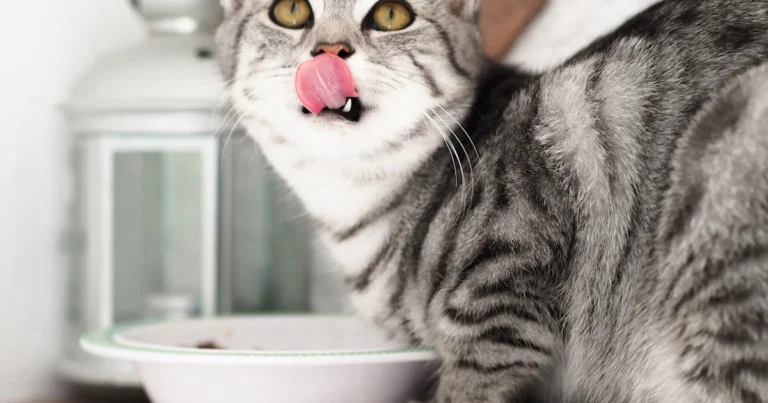
Photo by Tkhao Khoang on Unsplash
Yogurt is a common fridge item, and a cat that watches you eat it may well try to lick the spoon. A small taste of plain, unsweetened yogurt is usually fine for a healthy cat that tolerates dairy, but many cats are lactose intolerant, so it is never a food they need.
Below you will find how much is reasonable, which yogurt is the best choice and which ingredients, such as xylitol, make a yogurt unsuitable.
A small taste of plain, unsweetened yogurt is usually fine for a healthy cat that tolerates dairy. Many cats are lactose intolerant, and flavored or sweetened yogurt should be avoided.
Is yogurt okay for cats?
Purina says cats can eat small amounts of plain, unsweetened yogurt as an occasional treat. The live bacteria in yogurt help break down some of the lactose, so yogurt is often easier to digest than milk. Even so, many cats are lactose intolerant and can still get an upset stomach, and Purina advises checking with your vet before offering any human food.
How much?
Purina suggests about a teaspoon, and that treats make up no more than 10% of a cat’s daily calories. Offer it once in a while, not every day. Stop if your cat gets diarrhea, vomiting or gas.
Which yogurt is best?
- Plain and unsweetened, with a short ingredient list.
- Plain Greek yogurt is sometimes suggested because it is thicker and lower in lactose than regular yogurt.
- Avoid flavored, sweetened, fruit and “light” yogurts.
Xylitol and other ingredients
Xylitol is a sweetener found in some low-sugar yogurts and it is dangerous to dogs. PangoVet notes that research on cats is lacking and there are fewer reported cases, and a six-cat controlled study mentioned by Webvet did not reproduce dog-like effects. Still, Purina warns that it can be highly poisonous, so the safe approach is to read the label and avoid any yogurt with xylitol, chocolate or other additives.
Allergy and probiotics
Some cats react to dairy proteins even when the yogurt is plain, with itchy skin, vomiting or diarrhea. Webvet notes that no universal probiotic benefit is established for ordinary household yogurt. If you want probiotics for your cat, ask your vet about a product made for cats.
Which yogurt is the least risky?
Purina and PangoVet say plain, unsweetened, unsalted yogurt is the only type to consider, because live bacteria may help with lactose. Basepaws suggests plain Greek yogurt, which is thicker and typically lower in lactose, though DietPaw points out that most cats are still lactose intolerant, so the amount must stay tiny. Avoid flavored, fruit, sugar-free and vanilla yogurts. WebVet notes that plain, flavored, Greek, lactose-free, frozen, plant-based and drinkable yogurts are not interchangeable.
The xylitol question
Purina says cats cannot have xylitol, and Pawtracks notes it can appear in low-calorie yogurts. The evidence in cats is less clear than in dogs: WebVet notes one small study of six healthy cats did not reproduce the dog-like syndrome. Because the research is limited, the practical rule is the same: check the label and skip anything sweetened.
Do the probiotics help?
Pawtracks says not much is known about how yogurt probiotics affect cats, and Catster adds that if a cat has stomach upset, a probiotic made for cats is a better option than yogurt. Yogurt is also not a major protein source for a cat, since the amount a cat would eat is tiny.
How much, and how often?
Think of a lick or half a teaspoon as an occasional treat, not a daily food. Basepaws says offer it sparingly, and Pawtracks notes the main risk of too much is unnecessary weight gain.
Why vets disagree about yogurt
Fermenting milk breaks down part of the lactose, so yogurt is easier to digest than milk. Even so, some lactose remains, and many vets still do not recommend it because the nutritional gain is tiny and an upset stomach is possible. Some retailers list dairy including yogurt as foods to avoid.
How small is small?
The common guidance is about one teaspoon of plain, unsweetened yogurt, and one source suggests no more than that in a week. Start with a lick and see how your cat’s stomach reacts.
A pill hider, not a daily treat
A dab of plain yogurt can help disguise a tablet for a fussy cat, which is one practical use. Ask your vet first, because it is not suitable for every cat or every medicine.
Frequently asked questions
Can cats eat Greek yogurt?
A lick of plain, unsweetened Greek yogurt is generally fine for a cat that tolerates dairy.
Can cats eat flavored yogurt?
No. It can contain sugar, sweeteners and other additives.
Is yogurt good for a cat with diarrhea?
Not necessarily. Dairy can make some cats worse. Call your vet for advice.
Can kittens eat yogurt?
Kittens do best on a complete kitten food. Ask your vet before offering yogurt.
Is vanilla yogurt okay?
No. Felineliving points out vanilla is a flavor, so it is not plain.
Is yogurt better than milk?
Pawtracks says yogurt is often easier to break down than cow milk, but it still contains lactose.
Can yogurt replace a cat probiotic?
No. A cat-specific probiotic is formulated for cats, with fewer calories and no lactose, so it is the better choice if a vet recommends one.
Can cats eat yogurt treats?
Treats made for cats that contain yogurt are made with cats in mind and are unlikely to be a problem in normal amounts.
Can I use yogurt to hide a pill?
A tiny dab of plain yogurt is sometimes used, but check with your vet first.
Related guides
References
- Purina: Can Cats Eat Yogurt?
- Purina Philippines: Can Cats Eat Yogurt?
- PangoVet: Can Cats Eat Yogurt?
- Webvet: Can cats eat yogurt?
- Purina: Can Cats Eat Yogurt?
- PangoVet: Can Cats Eat Yogurt?
- WebVet: Can Cats Eat Yogurt?
- Catster: Can Cats Eat Yogurt?
- Purina: Can Cats Eat Yogurt?
- Catster: Can Cats Eat Yogurt?
- Hepper: Can Cats Eat Yogurt?