Can Cats Eat Ice Cream? Why You Should Skip It
Last updated: November 25, 2026. Sources are listed at the bottom.
Veterinary reviewed by Dr Zahid Iqbal, DVM, MRCVS and Dr Fatih Bozbay, Veterinarian.
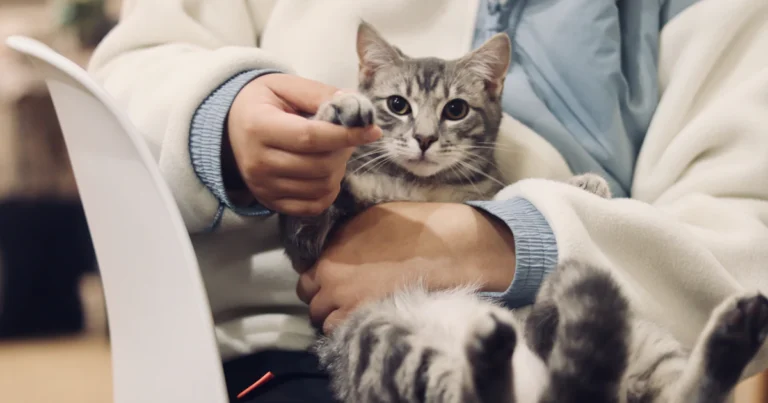
Photo by Aldo Vukaj on Unsplash
A cat licking a spoon of ice cream looks harmless, and sometimes it is. The problem is that ice cream mixes several things cats handle poorly: lactose, fat and sugar, plus flavors that can be dangerous.
This guide explains which ingredients matter and what to do if your cat got into your bowl.
Plain vanilla is unlikely to be toxic in a tiny lick, but it often causes stomach upset. Chocolate or xylitol (a sweetener) make it an emergency. Check the label and call your vet or a poison line if unsure.
Why ice cream is a bad idea for cats
Chewy advises against ice cream for cats even in small amounts. Most adult cats have trouble digesting lactose, and ice cream is also high in fat and sugar. Cats gain nothing nutritionally from it. Even lactose-free versions still carry sugar and fat, so they are not a real fix.
The ingredients that turn it into an emergency
- Chocolate. Chocolate ice cream contains theobromine, which is toxic to cats. See our chocolate guide.
- Xylitol. Some sugar-free ice creams contain this sweetener, which is dangerous to pets.
- Raisins, coffee, macadamia nuts and alcohol. Great Pet Care lists these as flavors or mix-ins to watch for.
What if it was plain vanilla?
Chewy says plain vanilla without xylitol is not considered toxic, but it can still cause digestive upset, and Hepper agrees a tiny bit without chocolate or xylitol should not be an issue. For a small lick, monitor your cat at home. Call a vet if the amount was large.
What to watch for
Vomiting, diarrhea, gas, belly discomfort, lethargy or loss of appetite. With chocolate or xylitol, also watch for tremors, restlessness, a racing heart or weakness, and treat it as urgent.
What to do right now
- Take the ice cream away and check the label for chocolate, xylitol (also written as E967) and nuts.
- If any of those are present, or you cannot tell, call your vet, the ASPCA Animal Poison Control Center at (888) 426-4435 or Pet Poison Helpline at (855) 764-7661. Fees may apply.
- If it was plain, offer fresh water and watch for 24 hours.
Safer ways to treat your cat
A few pieces of plain cooked chicken or a vet-approved cat treat is a better choice. Frozen cat-safe treats are an option too, but only ones made for cats.
Why ice cream is a poor treat even when it is plain
Ice cream combines lactose, sugar and fat. Most adult cats make little lactase after weaning, so dairy can cause gas, loose stools or vomiting, and the sugar and fat are empty calories. Sources differ a little: some say a tiny lick of plain vanilla is unlikely to matter, while Chewy advises avoiding it entirely.
The flavors that are actually dangerous
Chocolate ice cream and chocolate chips are the serious ones, because chocolate is toxic to cats. Coffee flavors add caffeine, and raisins, macadamias and alcohol-based flavors add their own risks. Sugar-free or low-sugar tubs can contain xylitol, so read the ingredients before assuming anything is safe.
Lactose-free and non-dairy versions
Lactose-free ice cream still contains sugar and fat, and plant-based tubs vary widely in ingredients, so they are not automatically a safe swap. If you want a cooling treat on a hot day, fresh water and shade work better than frozen desserts.
Brain freeze and cold treats
A cold bite can briefly hurt a cat’s head and mouth, but the effect passes quickly. It is not the main concern; the ingredients are.
The calorie math for a small cat
A healthy 10-pound cat needs roughly 200 to 350 calories a day, and a half cup of ice cream has about 125 to 150, so a few spoonfuls can take a large share of a cat’s day. A lick is one thing, a bowl is another.
Dog ice cream and frozen pet treats
Frozen treats made for dogs are free of chocolate and xylitol, but one source says their fat and sugar are surprisingly similar to ice cream, and they are not formulated for cats. They are not poisonous, but they are not a good routine treat either.
Why cats still lick it
Cats cannot taste sweetness, so their interest is likely the fat, creamy texture or simple curiosity about what you are eating. That interest does not mean the food suits them.
Frequently asked questions
Can cats taste sweetness?
Cats cannot taste sweet flavors the way we do, so they are more likely drawn to the fat and cream than the sugar.
Is lactose-free ice cream okay?
Not really. It still contains sugar and fat, and it may contain other risky ingredients.
Can kittens have ice cream?
No. Kittens have sensitive stomachs and need kitten food or formula.
My cat licked a little vanilla. Should I worry?
Usually not. Watch for stomach upset and call your vet if signs are strong or the ice cream contained chocolate or xylitol.
Can cats have vanilla ice cream?
Plain vanilla is not toxic, but the lactose, sugar and fat can still upset a cat’s stomach, so it is better avoided.
Is dog ice cream okay for cats?
Dog ice creams usually avoid chocolate and xylitol, but they are still treats and not designed for cats, so they should be rare.
Can cats eat frozen yogurt?
Frozen yogurt is still dairy, so it can bring the same stomach upset as ice cream, and flavored versions carry added sugar.
Is xylitol in ice cream dangerous to cats?
Sources differ on how toxic it is to cats, with some saying the evidence is limited, but all agree it is best avoided, especially in sugar-free ice cream.
Why does my cat love ice cream if it cannot taste sweet?
Likely the fat and cream. The sweetness is not what attracts them.
PawFoodCheck is not a veterinary service. This article is general information and does not replace advice from your own veterinarian.