Can Cats Eat Pasta? Plain Cooked vs Sauce
Last updated: November 25, 2026. Sources are listed at the bottom.
Veterinary reviewed by Dr Zahid Iqbal, DVM, MRCVS and Dr Fatih Bozbay, Veterinarian.
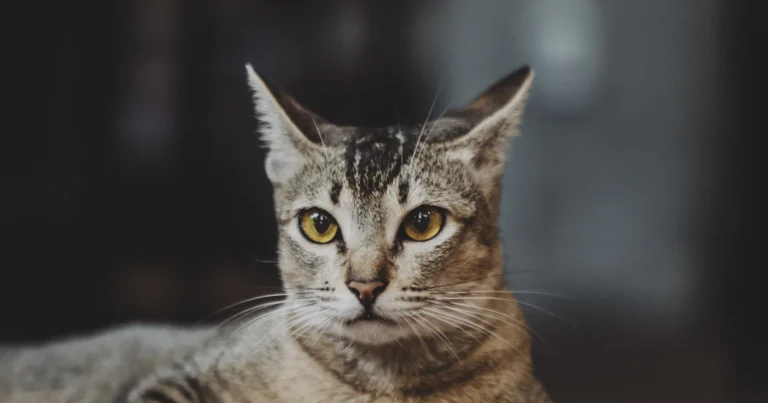
Photo by Nicholas Grande on Unsplash
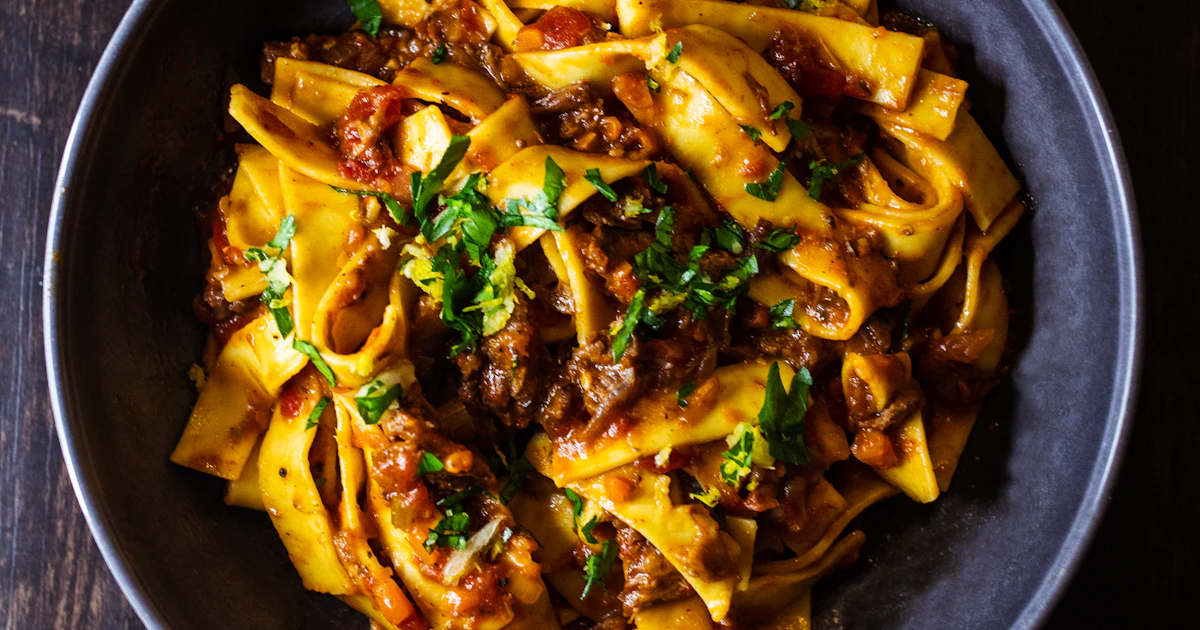
Pasta is not poisonous to cats, but cats are meat eaters and gain almost nothing from it. The real risk usually comes from what is on the pasta, not the pasta itself.
Never share pasta with sauce, onion, garlic or heavy cream. Uncooked pasta should be kept away from cats.
Is pasta safe for cats?
Hepper says pasta is not toxic but is not something cats should eat. Catster agrees plain pasta is fine only when fully cooked and free of sauces and seasonings. Maven adds that it is occasional at best, since it is mostly empty calories.
How much is okay?
ManyPets UK suggests no more than about 10 to 15 g of cooked pasta once a week. That is a small forkful.
Sauces and extras that cause trouble
- Tomato sauce. Often contains onion and garlic, which are toxic to cats. See our guide.
- Cream and cheese sauces. High in fat and lactose, and ManyPets warns cream sauces can upset the stomach.
- Salt, butter and oil. Not helpful for cats.
Why uncooked pasta is a problem
ManyPets says uncooked pasta is hard to digest, can be a choking hazard and may irritate the mouth. Keep dry pasta out of reach.
Better choices
If you want to share, a few bites of plain cooked chicken or turkey are more suitable than pasta.
Why plain pasta is fine but not useful
Plain cooked pasta is made from flour, water and sometimes egg, and none of these is a recognized cat toxin. It is mostly carbohydrate, though, and cats are obligate carnivores who need protein and fat from animal sources. Pasta adds calories without much benefit, so it is an optional nibble rather than a food.
The sauce is the real problem
Tomato sauce, bolognese and many jarred sauces contain onion and garlic, which damage red blood cells and can cause anemia. Cream sauces add fat and lactose, and many sauces carry lots of salt and sugar. Even a sauce that looks mild can hide alliums, so skip sauced pasta entirely.
Shapes, stuffing and dry pasta
Uncooked pasta is hard, a choking risk and can scratch the mouth. Stuffed pasta, lasagna and mac and cheese add cheese, meat seasoning and fat. Cooked tiny pieces can also be swallowed whole by fast eaters, so cut noodles small.
How much is reasonable
One source suggests roughly 10 to 15 grams of plain cooked pasta about once a week, while others simply say a noodle or two. These are guesses rather than rules, so treat pasta as a rare extra and let a complete cat food supply the rest.
Whole wheat, legume and gluten-free pasta
Whole wheat and legume pasta are also plain and non-toxic when cooked, as long as nothing is added. They are not special for cats; the same rule applies of plain, cooked, no sauce, no salt, no oil.
Pasta dishes: lasagna, mac and cheese, ravioli
These add cheese, cream and seasoned meat. Lasagna with only plain pasta and plain meat is the only form some sources accept, and mac and cheese, ravioli and bolognese bring dairy, fat and alliums.
Pasta versus rice
Some sources suggest rice is easier on a cat’s stomach than pasta, though both are just carbohydrate. If you are choosing between the two for a bland treat, rice is the gentler of the two.
Cooking water, oil and salt
Pasta cooked in heavily salted or oiled water absorbs both. Rinse and cool it, and skip any added oil or salt before offering a noodle.
Canned pasta and sodium
Catster says canned noodle products such as SpaghettiOs and noodle soups contain a lot of sodium, which is not a good ingredient for a cat, and that too much can lead to salt poisoning with signs such as vomiting, diarrhea, decreased appetite, lack of coordination, excessive thirst, frequent urination and lethargy. It adds that this usually takes a large amount, so a single canned noodle is unlikely to cause it.
A noodle or two: sources disagree
Catster says pasta is non-toxic but unsuitable for a cat’s digestive system, and that a plain noodle or two will not hurt. Hepper takes a stricter line, saying pasta is not beneficial and should be avoided, and that it should not be a treat at all, although a single spaghetti noodle or half a piece of penne carries no risk of deficiency or weight gain. VCA, in its guide to treats for training, lists pasta noodles among the foods that are safe and often enjoyed by cats, offered without seasonings and ideally in low-calorie form.
Zucchini noodles instead
Catster’s spaghetti guide suggests zucchini noodles as a safer option than pasta, saying they can provide fiber and antioxidants. It says they should be prepared without garlic, onion or any other spices, which is the same rule that applies to pasta itself.
Frequently asked questions
Can cats eat spaghetti?
Plain cooked spaghetti in a very small amount is okay, but never with sauce.
Can cats eat pasta with tuna?
Tuna alone is a poor regular food too, and tuna pasta usually has oil, onion or mayonnaise. See our tuna guide.
Is whole wheat pasta better?
It makes little difference for cats.
My cat ate pasta sauce. What now?
Check for onion and garlic. If present, call your vet or a poison line.
Can cats eat spaghetti noodles?
Plain cooked spaghetti with no sauce is not toxic, but it has little nutritional value.
Is whole wheat pasta better for cats?
Plain whole wheat or legume pasta is also not toxic, but cats gain little from the extra fiber.
Can cats eat mac and cheese?
It is better avoided because of the cheese, fat, salt and sometimes onion or garlic powder in the sauce.
Is rice a better choice than pasta for cats?
Some sources say rice is easier to digest, but both are optional carbohydrate extras.
PawFoodCheck is not a veterinary service. This article is general information and does not replace advice from your own veterinarian.
Can cats eat canned spaghetti or SpaghettiOs?
Catster says canned noodle products contain a lot of sodium, and too much sodium can cause salt poisoning, though that usually takes a large amount. A single canned noodle is unlikely to cause problems.
Is pasta made with eggs safe for cats?
Hepper says pasta is typically made of just water, eggs and flour and these are not toxic to cats, but it advises checking the ingredient list for additions such as onion, garlic or other flavorings.
Related guides
References
- Hepper: Can Cats Eat Pasta?
- Hepper: Can cats eat pasta
- WebVet: Can cats eat pasta
- Catster: Can cats eat pasta
- ManyPets: Cooked pasta
- Hepper: Can cats eat pasta
- PangoVet: Can cats eat pasta
- Maven: Can cats eat pasta
- PetKeen: Can cats eat pasta
- Catster: Can Cats Eat Pasta?
- Catster: Can Cats Eat Spaghetti?
- Hepper: Can Cats Eat Pasta?
- VCA: Using Food and Treats for Training Cats