Can Cats Eat Tuna? Safety, Limits and Better Choices
Last updated: November 25, 2026. This guide is general information for healthy adult cats and is not a substitute for advice from your own vet. Sources are listed at the bottom.
Veterinary reviewed by Dr Zahid Iqbal, DVM, MRCVS and Dr Fatih Bozbay, Veterinarian.
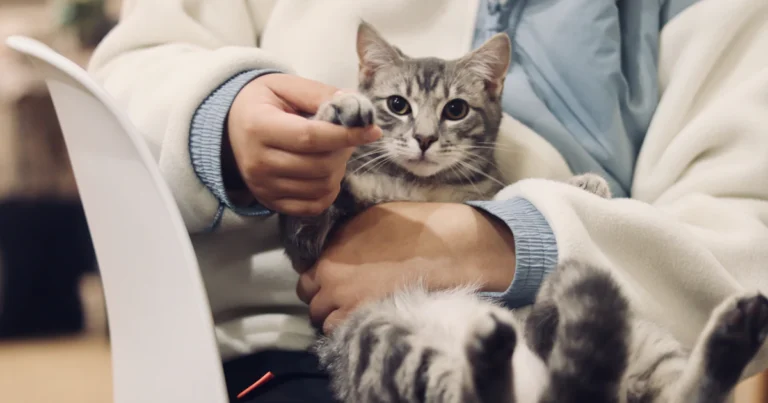
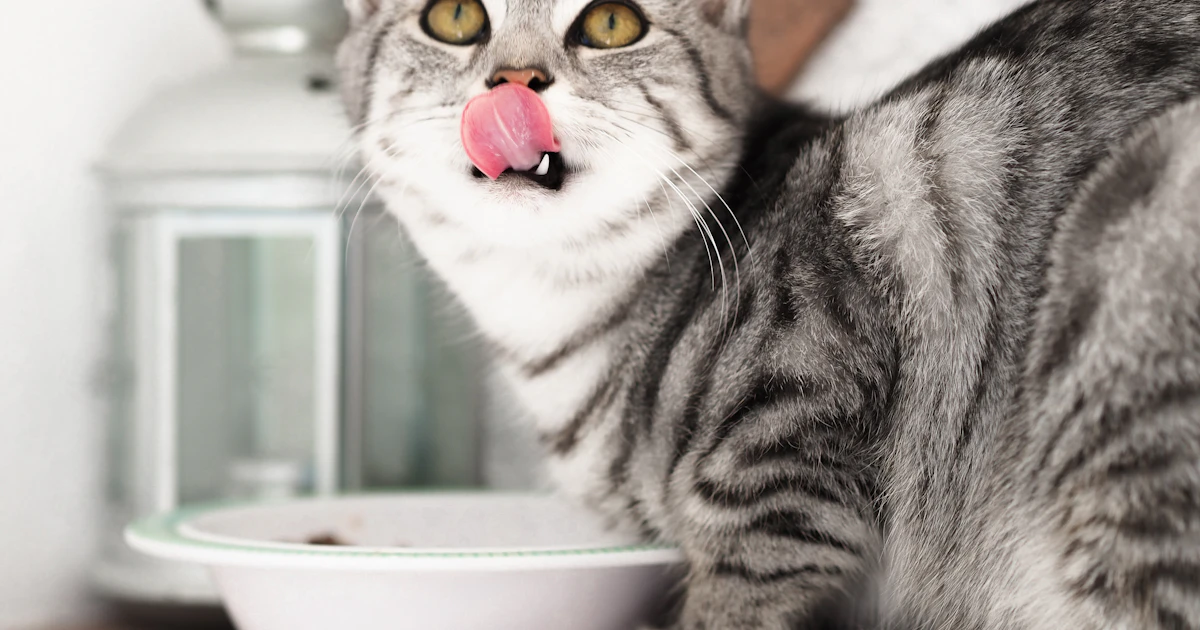
Photo by Laura Chouette on Unsplash
An open can of tuna is hard for a cat to miss, so many owners end up sharing a little. A small taste of plain tuna now and then is generally fine for a healthy adult cat, but tuna made for people is not a complete food, so it should stay a treat and never become a regular meal.
Below you will find why tuna should stay a treat, how to offer it safely and which cats should skip it.
A small taste of plain tuna now and then is generally fine for a healthy adult cat. Tuna made for people is not a complete food for cats, so it should not become a regular meal.
Is tuna safe for cats?
Tuna is not poisonous to cats, and most cats find it irresistible. The problem is not one small taste. It is regular feeding. Tuna for people is not balanced for cats, and a cat that gets used to it may start refusing its normal food.
Why tuna should stay a treat
Mercury
Tuna can carry mercury. A veterinary nutritionist at Tufts told Hill’s Pet that albacore comes from a larger species, with mercury levels almost three times higher than chunk light tuna. To be fair, she has also said that she has never seen a report of mercury poisoning in a cat fed tuna-based commercial cat food, and that good data are lacking. So the sensible approach is simple: keep tuna rare, and choose chunk light over albacore.
Not a complete diet
Human tuna does not supply everything a cat needs. Cats are obligate carnivores, but they still need a complete and balanced cat food as the base of their diet.
Raw tuna and vitamin B1
Veterinarians quoted by Chewy advise against raw tuna. Besides bacteria, raw fish contains thiaminase, which can raise the risk of thiamine (vitamin B1) deficiency.
Salt and oil
Tuna packed in brine adds salt, and tuna packed in oil adds fat. If you offer tuna at all, plain tuna in water, well drained, is the better choice.
How to offer tuna safely
- Choose plain tuna packed in water, drained well.
- Offer only a few flakes, not a bowl, and only once in a while.
- Never offer raw tuna.
- Do not mix it with onion, garlic, seasoning or sauce.
- Keep your cat’s complete cat food as the main meal.
There is no single weekly amount that vets agree on, because it depends on the cat. Ask your vet if you want a number for your own cat.
Which cats should skip tuna?
Cats with health problems such as inflammatory bowel disease, and cats on a special or prescription diet, should only get tuna if their vet says so.
Which kind of tuna is the better choice?
Not all tuna carries the same mercury load. PetMD says albacore is much higher in mercury than other forms, so it advises skipping albacore. Another pet site notes that light or skipjack tuna is generally lower in mercury, while yellowfin and bigeye are among the highest. If you ever share a can, chunk light in water is the cautious pick.
Water, oil or brine: what is in the can
Chewy says water-packed is the best option, while oil-packed tuna is much richer and can cause vomiting or diarrhea. Brine adds a lot of sodium, and flavored pouches often contain salt, seasonings, garlic or onion. Catster’s advice is to only offer tuna in fresh water.
What about tuna water and tuna as a habit?
Catster says tuna water is not toxic, but it still suggests limiting it and never giving a whole can’s worth at once. Tuna is also nutritionally incomplete for cats, so a cat that holds out for tuna instead of its balanced food is a feeding problem, not a treat. Mercury builds up over time, which is why frequent tuna is the real risk.
Tuna and kittens
Both Chewy and PetMD say to wait until a cat is at least a year old before offering tuna as a treat, because a first-year diet should come from complete kitten food.
Frequently asked questions
Can cats eat canned tuna every day?
No. Daily tuna is not a balanced diet for a cat, and it adds to the mercury concern. Keep it an occasional treat.
Can cats eat tuna in oil?
It is better to avoid it. The oil adds fat and calories that cats do not need. Tuna in water is the safer choice.
Can cats eat raw tuna?
No. Raw fish carries bacteria and thiaminase, which can lead to a vitamin B1 deficiency.
What if my cat ate a whole can of tuna?
Most healthy cats will just have an upset stomach. Watch your cat, and call your vet if vomiting or diarrhea continues or your cat seems unwell.
Can cats eat canned tuna?
A little, if it is plain tuna packed in water. PetMD says canned tuna should have no spices or flavorings and recommends avoiding albacore, which has much higher mercury.
Can cats eat tuna in water?
Yes, this is the best option, but keep the portion small. Chewy says to drain it and treat it as an occasional extra.
Can cats eat tuna with mayo?
It is better to avoid it. Mayonnaise and other added ingredients add fat and salt your cat does not need; stick to plain tuna in water.
Can kittens eat tuna?
Chewy says kittens should not eat canned tuna until they are at least a year old, since their calories should come from complete kitten food.
How often can a cat have tuna?
There is no official schedule. One pet site calls once a week in a small portion the maximum, and the sensible reading is that rarer is better.
Related guides
- Can dogs eat tuna? (dog guide)
- Can cats eat salmon? (cat guide)
- Can cats eat raw salmon? (cat guide)
- Can cats eat sardines? (cat guide)
- Can cats eat shrimp? (cat guide)
References
- Hill’s Pet: Can Cats Eat Tuna?
- Tufts University: Is it safe to give canned tuna to cats as a treat?
- Chewy: Can Cats Eat Tuna?
- Your Vet Online: Is it safe to feed my cat tuna?
- Chewy: Can Cats Eat Canned Tuna?
- PetMD: Can Cats Eat Tuna?
- PetMD: Can Cats Eat Tuna?
- Chewy: Can Cats Eat Canned Tuna?
- Catster: Can Cats Eat Tuna?
- Rover: Can Cats Eat Tuna?