Can Dogs Eat Grapes? Toxic Risk & What to Do (2026)
Last updated: November 25, 2026 · Sources are listed at the bottom. How we research
Veterinary reviewed by Dr Zahid Iqbal, DVM, MRCVS and Dr Fatih Bozbay, Veterinarian.
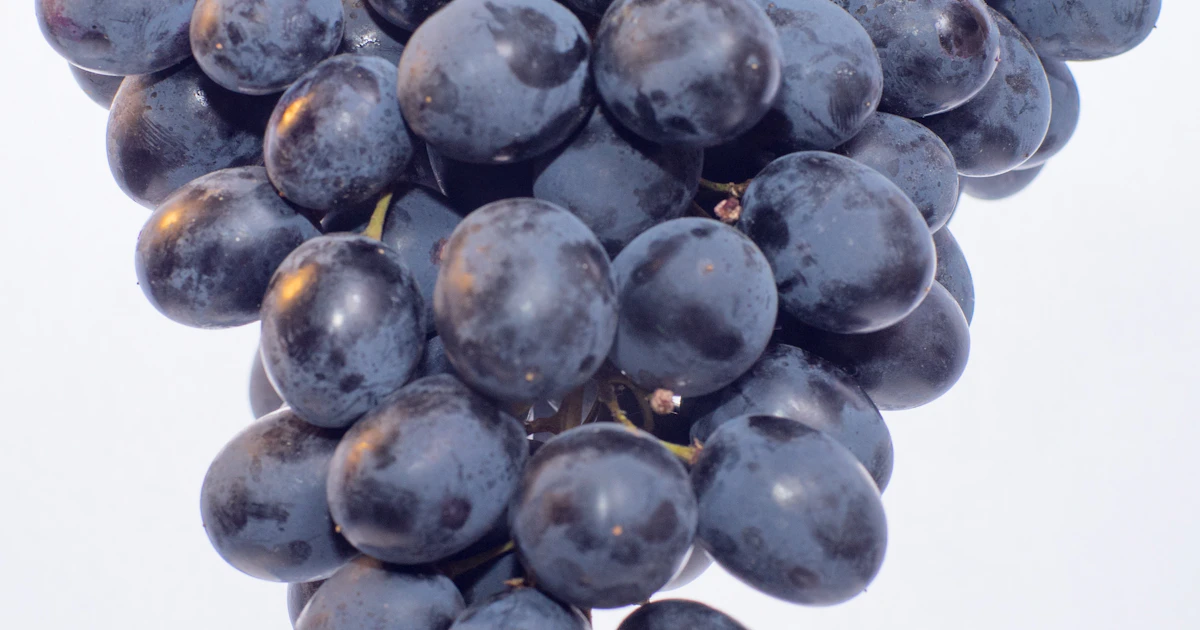
Photo by Andrey Haimin on Unsplash
Grapes are one of the clearest never foods for dogs. Even a single grape can make some dogs seriously ill, while others eat them and seem fine, and nobody can predict which dog will react. The safe rule is simple: no grapes, raisins or currants.
This page explains why grapes are dangerous, what to do right away if your dog ate some, which signs to watch for and which everyday foods contain grapes or raisins.
If your dog has just eaten grapes or raisins, act now. Call your vet or an emergency vet clinic right away. In the US you can also call the ASPCA Animal Poison Control Center at (888) 426-4435 or Pet Poison Helpline at (855) 764-7661 (a consultation fee may apply). Do not wait for symptoms, and do not try to make your dog vomit at home unless a vet tells you to. See the step-by-step guide below.
Quick answer: No. Dogs should never eat grapes, raisins or currants. They can cause sudden kidney failure, and even a single grape can make some dogs seriously ill, while others eat them and seem fine. Nobody can predict which dog will react, and no safe amount has been established. Treat any grape or raisin eaten by a dog as an emergency.
- Toxic: grapes of every color, seedless and peeled grapes, raisins, sultanas and currants
- Also dangerous: raisin bread, cookies, cereal, trail mix and other foods that contain them
- Dose: no safe amount is known, and size does not protect a dog
- Timing: signs often start within 6 to 12 hours, and kidney damage can show up on tests 24 to 72 hours later
Jump to: What to do · Symptoms · Which products · Treatment · Why are they toxic · Safe swaps · FAQ
Are grapes toxic to dogs?
Yes. The American Kennel Club’s vet-reviewed guide (with input from emergency veterinarian Dr. Jessica Dowling, updated in August 2026) calls grapes and raisins highly toxic to dogs. Even one grape can cause kidney failure in some dogs, and dogs of any age, breed or size can be affected. Petco’s guidance likewise notes that no toxic dose is known for grapes or raisins, and that harm has been reported from as little as one raisin.
Why does your neighbor’s dog eat grapes with no problem? Because the reaction varies from dog to dog. Some dogs seem fine after a handful, and others become seriously ill after one or two. That unpredictability is the danger: you cannot tell in advance which kind of dog yours is.
In an early ASPCA review of 140 cases, about 50 dogs developed symptoms and 7 died, as reported by the veterinary site Preventive Vet. Prompt treatment greatly improves the outlook, which is why vets say to call at once and not wait.
My dog ate grapes or raisins. What do I do?
- Remove the rest and make sure your dog cannot eat more.
- Note the details: what was eaten (grapes, raisins, raisin bread), roughly how much, when, and your dog’s weight.
- Call your vet or an emergency vet clinic immediately. If your vet is closed, call the ASPCA Animal Poison Control Center at (888) 426-4435 or Pet Poison Helpline at (855) 764-7661 in the US (fees may apply). Outside the US, call your local emergency vet.
- Do not wait to see if symptoms appear. Early treatment is what makes the difference.
- Do not make your dog vomit at home with hydrogen peroxide or salt unless a vet or poison line tells you to. The AKC warns of the risk of lung damage, and the vet can induce vomiting safely if it is still useful.
- Go to the clinic even if your dog seems fine. The AKC advises that a dog should be examined and have bloodwork checked even after the first few hours, when vomiting is unlikely to help.
Signs of grape and raisin poisoning
The AKC says signs often start within 6 to 12 hours and can include:
- Vomiting and diarrhea (you may see pieces of grape or raisin)
- Loss of appetite and lethargy
- Abdominal pain
- Tremors
- Extreme thirst and dehydration
- Passing little or no urine, which is a sign of kidney failure
Kidney injury can show up on blood tests 24 to 72 hours after the grapes were eaten, and dogs can get progressively sicker. A dog with no symptoms is not necessarily safe, so do not use the absence of vomiting as a reason to wait.
Which grape products are dangerous?
| Product | Risk | What to know |
|---|---|---|
| Fresh grapes (red, green, purple) | Toxic | No safe amount is known. Treat any amount as an emergency. |
| Seedless or peeled grapes | Toxic | Removing seeds or skin does not make them safe. |
| Raisins, sultanas, currants | Toxic | Dried fruit is concentrated, so a small handful is a bigger dose than the same number of fresh grapes. |
| Raisin bread, cookies, cereal, pastries, trail mix | Toxic | The AKC lists these as grape-containing foods. Baking does not remove the risk. |
| Grape juice, jam, jelly | Avoid | Studies suggest these are less often linked to poisoning, possibly because processing removes tartrates, but there is no proven safe amount. Call a poison line for advice, and note they are mostly sugar. |
| Wine | Dangerous | Alcohol is harmful to dogs. Call a vet or poison line. |
| Stems, vines and leaves | Call for advice | Do not treat them as a safe alternative. Ask a vet or poison line what to do. |
What will the vet do?
Treatment depends on how long ago it happened and how your dog is. According to the AKC:
- If it is early, the vet may induce vomiting safely.
- Many emergency hospitals keep dogs for up to three days of intravenous fluids to protect the kidneys, with repeat bloodwork at 24, 48 and 72 hours.
- Some dogs go home with fluids under the skin and anti-nausea medication.
- Dogs with abnormal kidney or electrolyte results may need more intensive hospital care.
Kidney damage can be serious, and in dogs that do develop kidney failure the outlook is guarded. That is the reason to treat it as an emergency from the first moment.
Why are grapes toxic to dogs?
For decades the cause was a mystery. A 2021 report in the Journal of the American Veterinary Medical Association proposed that tartaric acid, which grapes contain, is the likely culprit. The same acid is in cream of tartar and tamarind, and cases of kidney trouble in dogs have followed large amounts of those too. The amount of tartaric acid in grapes varies by variety, ripeness and growing conditions, which may explain why one dog reacts and another does not. This is still a leading theory, not a settled fact, so the safe rule stays the same: no grapes, ever.
How many grapes are toxic to a dog?
There is no safe number. The AKC and Petco both stress that harm has been seen after very small amounts. Online “grape toxicity calculators” can give a false sense of safety. Poison lines advise calling about any grape or raisin exposure, even one.
How to keep your dog safe
- Keep grapes, raisins, trail mix and raisin bread on high shelves or in closed cupboards.
- Tell children and guests, and never give a dog “just one”.
- Put food waste, lunchboxes and snack bags out of reach.
- Check ingredient labels for raisins, currants and sultanas in baked goods and cereals.
- Keep your vet’s number and a poison-line number saved in your phone.
Safe fruit swaps
If you want a fruit treat, these are far better choices, when prepared correctly and given in small amounts: watermelon (no rind or seeds), apples (no core or seeds), bananas (peeled) and strawberries (tops removed). See all of them in our Fruits section.
Frequently asked questions
Can dogs eat one grape?
No. Even one grape can make some dogs seriously ill, and there is no way to know in advance. Call your vet or a poison line if your dog ate one.
Can dogs eat seedless grapes?
No. Seedless grapes are not safer.
Can dogs eat raisins?
No. Raisins are concentrated and equally dangerous, if not more.
Can dogs eat grape juice, grape jelly or wine?
Avoid all of them. They are less often linked to poisoning, but there is no proven safe amount, and wine contains alcohol. Call a poison line if your dog had any.
How long after eating grapes will a dog show symptoms?
Often within 6 to 12 hours, and kidney damage can appear on blood tests 24 to 72 hours later. Do not wait for signs before calling.
Will my dog be okay if it ate one grape and seems fine?
Possibly, but you cannot know without veterinary advice. Call your vet or a poison line anyway.
Should I make my dog vomit after it ate grapes?
Only if a vet or poison line tells you to. Home methods such as hydrogen peroxide can be risky.
Can a dog recover from grape poisoning?
Many dogs do, especially with early treatment, but kidney damage can be serious. That is why the first hours matter.
Can cats eat grapes?
Grapes should be kept away from cats too. The problem has been documented in dogs, though anecdotal reports exist in cats, so call a vet if a cat eats some.
Are puppies and small dogs at higher risk from grapes?
Any dog can be affected, and no safe amount has been established, so size does not make a grape safe. A small dog gets a bigger dose per grape, which is one more reason to call your vet promptly if a small dog or puppy eats any.
Should I make my dog vomit or give activated charcoal?
Do not do this at home unless a vet or poison line tells you to. Treatment depends on how much was eaten and how long ago, and your vet will decide what is needed.
The bottom line
Dogs should never eat grapes, raisins or currants. If yours has, call your vet or a poison line immediately, do not wait for symptoms, and do not induce vomiting at home unless told to. Keep them out of reach, and use safe fruit treats instead.
This article is general information and does not replace advice from your own veterinarian. I am not a veterinarian. If you think your dog has eaten something toxic, contact a vet or poison line now. See our disclaimer.
Related guides
- Can dogs eat cherries?
- Can dogs eat coconut?
- Can dogs eat avocado?
- Can dogs eat cranberries?
- Can dogs eat grapefruit?
References
- American Kennel Club: Can Dogs Eat Grapes? (input from Dr. Jessica Dowling; symptoms, timing, treatment, vomiting warning)
- Preventive Vet: Grape, Raisin, and Currant Toxicity in Dogs and Cats (Dr. Beth Turner) (ASPCA case numbers, tartaric acid)
- Petco: Can Dogs Eat Raisins? (no known toxic dose)
- Wegenast C, et al. Unique sensitivity of dogs to tartaric acid and implications for toxicity of grapes. J Am Vet Med Assoc, 2021.
- Pet Poison Helpline: Grapes (toxicity to dogs, kidney failure, no established safe amount)
- VCA Animal Hospitals: Grape, Raisin, and Currant Poisoning in Dogs (symptoms, diagnosis, treatment)