Can Cats Eat Corn? Kernels, Cob and Canned
Last updated: November 25, 2026. Sources are listed at the bottom.
Veterinary reviewed by Dr Zahid Iqbal, DVM, MRCVS and Dr Fatih Bozbay, Veterinarian.
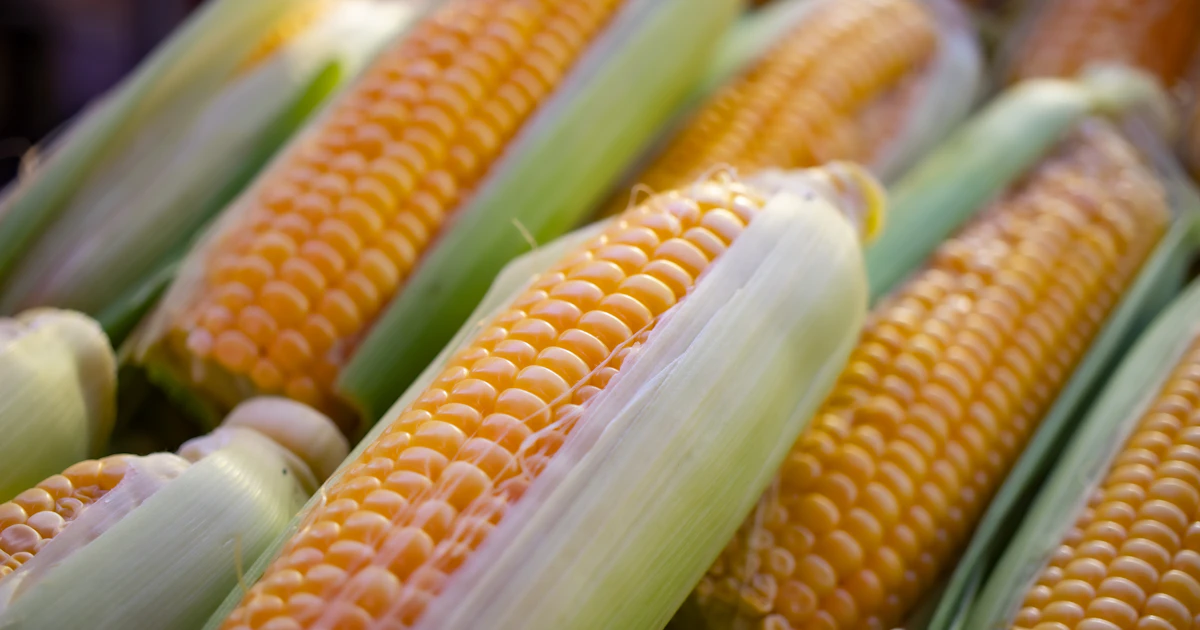
Photo by Wouter Supardi Salari on Unsplash
Corn is in many cat foods, so plain corn itself is not toxic. PetMD says technically yes, cats can eat corn, but it is not the best choice.
The danger is the cob, and the butter and salt people add.
Short answer: a few plain cooked kernels, never the cob.
Corn is not toxic, but it is not a good food for cats, and a swallowed cob needs a vet call.
Is corn safe for cats?
WebVet says plain cooked corn kernels are not recognized feline toxins, but they are optional and should not replace complete cat food.
How much corn?
Chewy says less than 1 tablespoon of plain cooked corn per week is plenty, ideally split into just a few kernels at a time.
Corn on the cob and husks
PetMD says cats cannot eat corn on the cob, because it can cause an intestinal blockage or be a choking hazard. If your cat gnawed a cob, call your vet. Hepper says husks are also hard to digest.
Canned, creamed and buttered corn
Chewy says it is best not to feed canned corn because of extra sodium or additives, and cats should not eat creamed corn because it is too rich. PetMD warns dishes with corn may contain garlic, onions and other toxic foods.
How to serve
- Cook plain kernels and let them cool.
- Remove them from the cob and throw the cob away securely.
- Offer a few kernels only.
Kernels versus the cob
The cob is the real hazard. PetMD says a cat should never chew a cob because it can cause choking or an intestinal blockage, and Catster adds that a swallowed piece of cob may need surgery or endoscopy. WebVet describes plain cooked kernels as not a recognized cat toxin, with the cob being a separate foreign-body concern. Cut kernels off, cool them, and bin the cob where no cat can reach it.
Why is corn in cat food?
Corn is a common ingredient in commercial cat food, often described as a filler or carbohydrate source. WebVet makes the fair point that corn in a properly formulated complete food is not the same as handing out leftover kernels, and its presence does not prove a food is inferior. Still, extra kernels add nothing your cat needs.
Allergy and digestion
A-Z Animals says corn allergy in cats is uncommon and that meats are the most common allergens. Tufts’ nutrition team notes whole sweet corn kernels can pass through intact and show up in stool, which does not mean the corn is unsafe, just that kernels are not well chewed.
Popcorn and canned corn
Plain popcorn is not harmful but butter and salt are, and unpopped kernels can hurt teeth or choke, according to Feline Living. WebVet reminds readers that creamed or canned corn is a different exposure from plain kernels, so read the label.
Corn allergies: what the evidence says
Corn is often blamed for food allergies in cats, and some sources suggest introducing it slowly in case of itching or stomach upset. A veterinary nutrition source notes that grain-based foods account for a small share of food allergies, while proteins are the most common cause. Both can be true: any food can cause a reaction in an individual cat, but corn is not the main suspect.
Other corn foods are different exposures
Cornmeal, tortilla chips, cornbread, corn dogs and fried kernels add salt, oil and fillers. Candy corn is mostly sugar and additives, so it is not suitable. Only plain cooked kernels, cooled and removed from the cob, are a sensible occasional taste.
Corn in cat food versus corn from the table
Corn can appear on cat food labels as a filler or as a source of nutrients such as linoleic acid. That is a measured ingredient in a complete diet, which is not the same as giving extra corn from the table. Neither proves that corn is good or bad for every cat.
Husks and silk
Husks can cause vomiting, drooling and a loss of appetite, and a swallowed piece can become a blockage. Throw the husk and cob out in a closed bin.
The corn plant is not the same as corn
Catster says the houseplant called the corn plant, Dracaena fragrans, is harmful to cats, and that it contains steroidal saponins that can cause gastrointestinal upset. Hepper also calls corn plants toxic to cats. Signs listed by Catster include vomiting, drooling, dilated pupils and a wobbly gait, and while poisoning is usually not deadly, a vet should be consulted. This is a different plant from the corn on the cob you eat.
Grits and other cornmeal dishes
Catster says cats can have grits in tiny amounts on occasion, with plain grits the safest, and warns that extras such as cheese or shrimp can add their own risks. Hepper says corn in commercial cat food is generally considered a safe ingredient, according to Tufts University’s Clinical Nutrition Service, but as part of dishes like cornbread it offers little or no nutritional value.
What corn offers: sources disagree
PetMD lists minor upsides of small amounts of corn: essential fatty acids, antioxidants such as beta-carotene, vitamin E and lutein, some protein and a little fiber. Catster is blunter, saying a cat will not benefit from eating corn in the slightest. Both agree it is not toxic, that it is high in carbohydrates and that it should stay an occasional extra.
Frequently asked questions
Can cats eat corn on the cob?
No. It can block the intestines.
Can cats eat canned corn?
Chewy says it is best not to, because of sodium and additives.
Can cats eat popcorn?
Plain popcorn only, and sparingly. See our popcorn guide.
Can cats eat corn husks?
No, they are hard to digest.
Is corn bad for cats?
It is not toxic, but it offers little for a meat-eating animal.
Is candy corn safe for cats?
No. Candy corn is mostly sugar and additives, so it is not appropriate for cats.
Do cats often have corn allergies?
Not usually. Proteins are more often the trigger, though any cat can react to any food.
PawFoodCheck is not a veterinary service. This article is general information and does not replace advice from your own veterinarian.
Are corn plants toxic to cats?
Yes. Catster and Hepper both say the Dracaena fragrans houseplant is toxic to cats, with Catster citing the ASPCA, and its saponins can cause vomiting and other signs. It is a different plant from edible corn.
Can cats eat grits?
Catster says cats can eat grits in tiny amounts and only on occasion, and plain grits would be the safest. Added ingredients like cheese or shrimp bring their own risks, and the carbohydrate load makes frequent grits a poor idea.
Related guides
References
- PetMD: Can Cats Eat Corn?
- Chewy: Can Cats Eat Corn?
- WebVet: Can Cats Eat Corn?
- Hepper: Can Cats Eat Corn?
- PetMD: Can Cats Eat Corn?
- WebVet: Can Cats Eat Corn?
- Tufts Vet Nutrition: corn kernels
- Catster: Can Cats Eat Corn?
- Great Pet Care: Can cats eat corn
- PetMD: Can cats eat corn
- WebVet: Can cats eat corn
- Tufts Vet Nutrition: Corn
- Catster: Can Cats Eat Corn?
- Catster: Are Corn Plants Toxic to Cats?
- Hepper: Are Corn Plants Toxic to Cats?
- Catster: Can Cats Eat Grits?
- Hepper: Can Cats Eat Cornbread?