Can Cats Eat Coconut? Flesh, Oil and Water
Last updated: November 25, 2026. Sources are listed at the bottom.
Veterinary reviewed by Dr Zahid Iqbal, DVM, MRCVS and Dr Fatih Bozbay, Veterinarian.
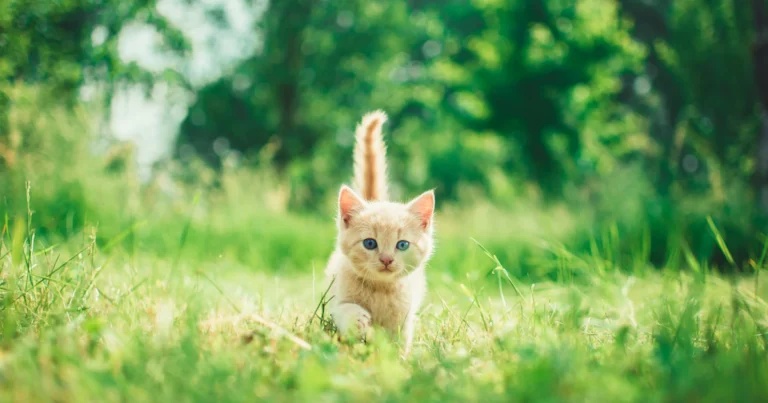
Photo by Merve Kalafat Yılmaz on Unsplash
Coconut oil has a health halo for people, so many cat owners wonder about it. Cats do not need it, and the ASPCA lists coconut among foods to avoid.
Here is what that means in practice.
The ASPCA advises against giving coconut products to cats. The fat can cause vomiting or diarrhea, and coconut water is high in potassium.
What the sources say
Catster says the ASPCA advises against giving any coconut products to cats, and that both coconut oil and the fruit’s meat can cause diarrhea, vomiting and stomach upset because of the oil content. Hepper also stresses the ASPCA recommendation to avoid coconut and coconut oil because of digestive risk.
Opinions differ a little: BasePaws says coconut is non-toxic in small amounts and cites PetMD that a tiny amount of high-quality coconut oil is usually safe. Since cats do not need it, the safest choice is to skip it.
If your cat ate a little
Webvet says a small taste of plain coconut flesh is unlikely to cause serious harm, though the oils may cause stomach upset in an individual cat. Catster says there is probably no reason to panic if your cat licked a bit of coconut oil. Call your vet if your cat ate a lot, or the product had other ingredients.
What the ASPCA says versus what sites say
Catster and Hepper both point to the ASPCA advising against coconut and coconut oil for cats because of the fat, which can cause diarrhea, vomiting and stomach upset. Other sites, such as Cats.com and Healthy Paws, take a softer view and say small amounts are okay. WebVet sits in between: a small plain taste of flesh is unlikely to cause serious harm, but oils may upset an individual cat.
Coconut water and milk
WebVet says the ASPCA advises against coconut water because it is high in potassium, and it is not a hydration treatment for cats. Cats.com says coconut milk is too high in fat. Healthy Paws suggests coconut water or milk as a drink alternative, which clashes with the others, so plain fresh water remains the safest drink.
Coconut oil
Catster notes coconut oil is on the ASPCA list of foods to avoid, though a few licks are not a reason for alarm. Basepaws says PetMD considers a tiny amount of high-quality oil usually safe. There is no strong evidence it helps cats. Hepper warns that cats lick off what you apply, so they will swallow some. Talk to your vet before using coconut oil orally or on the coat.
Shell, husk and flakes
WebVet points out that meat, flakes, milk, oil, flour, shell and husk all have different fat, mineral and texture profiles. Remove the shell and any added sugar, as Peggy Adams suggests, and never offer sweetened flakes.
Fat is the real issue
Coconut meat is rich in fat, and fatty foods can upset a cat’s gut, causing vomiting and loose stool. High fat intake is also linked to pancreatitis, plus extra weight over time. That is why even a safe-looking piece should stay tiny and rare.
Cats with health conditions
Cats on special diets for the kidneys, heart, pancreas, gut or weight need individual advice, because coconut products differ in fat, minerals and concentration. If your cat is on a therapeutic plan, leave coconut out unless your own vet says otherwise.
Coconut water and potassium, in numbers
Hepper works through the potassium concern with figures: 100 grams of coconut water has about 250 mg of potassium, while a healthy cat needs about 330 mg a day, so that portion holds roughly 75 percent of the daily amount. The worry is hyperkalemia, a high blood potassium level often linked to end-stage kidney disease, and Hepper says the risk is mainly with a significant amount or daily use rather than a sip. Catster is stricter, saying coconut water should be offered very sparingly if at all, and in another guide that it should never be offered. A third Catster guide says a small amount could help with fluids and electrolytes but may upset the stomach.
Calories in coconut meat, flakes and oil
Hepper says 100 grams of raw coconut meat has 354 calories and 33.5 grams of fat, and that dried flakes rise to 456 calories with nearly 37 grams of sugar. A tablespoon of coconut oil has 13.5 grams of fat, about 11.2 grams of it saturated. Hepper concludes that these numbers are reason enough to leave coconut off a cat’s menu, since the richness outweighs any nutritional value.
Claimed benefits of coconut oil, and the evidence
Catster says the benefits claimed for coconut oil in cats are anecdotal or borrowed from human medicine, not proven by cat research, and that its high fat content may cause weight gain and digestive and pancreatic issues. Hepper says there is limited research on medium-chain triglycerides in cats and even less on coconut oil, and that some cats refuse food with it added. Another Catster guide lists possible benefits for skin and digestion but warns that coconut oil should not be given orally without checking with a vet first, and is not recommended for overweight cats or those with diabetes or pancreatitis.
Frequently asked questions
Can cats eat coconut oil?
The ASPCA advises against it. Ask your vet before using it for hairballs or skin.
Can cats drink coconut water?
No. It is high in potassium.
Can cats eat coconut flakes or macaroons?
No. They are sweetened and fatty.
Can kittens eat coconut?
Better not. Kittens need kitten food.
Can cats eat coconut flour?
Catbreedselector says it can be used in small amounts in homemade treats.
Is coconut good for cats?
Not really. It is not toxic, but it is not a species-appropriate food and offers no big benefit, so it is best treated as a rare extra at most. It is not acutely toxic, but the fat can cause vomiting or diarrhea.
Can coconut oil help my cat’s skin?
Some sources say a small amount applied to the skin may help dryness, but cats lick it off, so it ends up in the stomach anyway. Ask your own vet before using it, either on the coat or by mouth.
PawFoodCheck is not a veterinary service. This article is general information and does not replace advice from your own veterinarian.
How many calories are in coconut?
Hepper says 100 grams of raw coconut meat has 354 calories and 33.5 grams of fat, and dried flakes have 456 calories and nearly 37 grams of sugar per 100 grams.
Can coconut cause pancreatitis in cats?
Catster says the fat in coconut products carries a risk of digestive and pancreatic problems in some cats, particularly those with underlying or chronic health conditions. Hepper repeats the ASPCA’s advice against coconut and coconut oil because of digestive risk.
Can cats eat dried coconut flakes?
Hepper says dried flakes are even richer than fresh coconut, with 456 calories and nearly 37 grams of sugar per 100 grams, which is too much for a cat. Sweetened flakes add more sugar again.
Related guides
References
- Catster: Can Cats Eat Coconut?
- Webvet: Can Cats Eat Coconut?
- Hepper: Can Cats Eat Coconut?
- WebVet: Can Cats Eat Coconut?
- Hepper: Can Cats Eat Coconut?
- Catster: Can Cats Eat Coconut?
- Cats.com: Can Cats Eat Coconut?
- WebVet: Can Cats Eat Coconut?
- Cats.com: Can Cats Eat Coconut?
- Catster: Can Cats Eat Coconut?
- Catster: Can Cats Drink Coconut Water?
- Catster: What Foods Are Toxic to Cats?
- Catster: Health Benefits of Coconut Oil for Cats