Can Cats Eat Sardines? Water vs Oil vs Brine
Last updated: November 25, 2026. Sources are listed at the bottom.
Veterinary reviewed by Dr Zahid Iqbal, DVM, MRCVS and Dr Fatih Bozbay, Veterinarian.
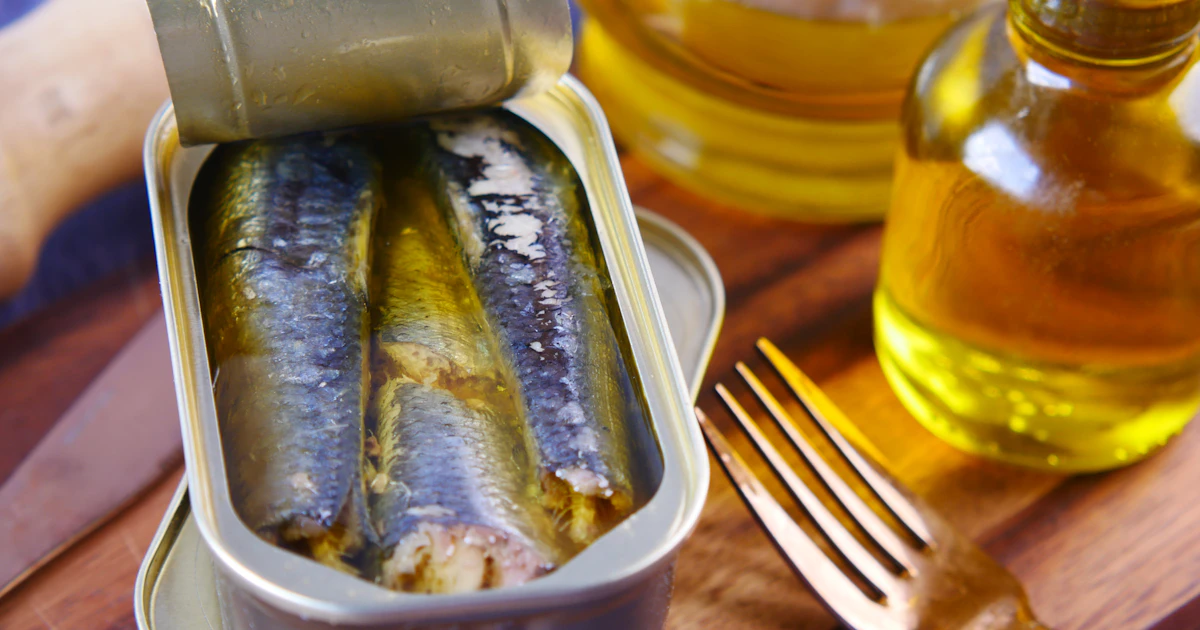
Photo by Towfiqu barbhuiya on Unsplash
Sardines are a classic cat snack, but not every can is equal. The packing liquid is what decides whether it is a fair treat or a stomach-upset waiting to happen.
Here is how to pick a can and how much to give.
Cooked fresh sardines or sardines canned in water with no added salt are fine in small amounts. Avoid sardines in brine, sauces or seasoned oil, and never make them a daily food.
Which sardines are best?
Catster says to choose cans packed in water, since oil can cause stomach upset and weight gain from the fat, and brine is extremely high in sodium. Hepper agrees that spring-water sardines add no extra fat or sodium and are better than those in oil or brine. Look for “no added salt” and plain ingredients.
Sardines in oil, brine or sauce
PangoVet notes that sardines in oil can be too fatty and the oil may contain herbs and spices that are harmful. Brine adds too much salt. Skip tomato sauce, mustard and flavored sardines, which can contain onion or garlic.
How much?
A small bite or a sardine or two now and then, mixed with regular food, is plenty. Fish should not replace a complete and balanced cat food, and a fish-heavy diet is not good for cats long term. Remove or crush bones if there are large ones, and check with your vet if your cat has kidney disease or is on a special diet.
Benefits and cautions
Sardines supply protein and omega-3 fatty acids, but a treat is not a supplement. Too much can lead to digestive upset or extra calories.
Water, oil, brine or tomato sauce?
Sardines are sold in several liquids, and the liquid matters most. Hepper recommends spring water because it adds no extra sodium or fat, and calls brine the worst choice because of its salt. PangoVet says oil-packed sardines can be too fatty and the oil often carries herbs and spices. WebVet adds that the label also matters for sauces, mustard and smoked products, and that draining does not reliably remove what has soaked into the fish.
Salt and rinsing
Wamiz suggests choosing cans labelled no added salt and rinsing the fish, which can reduce surface sodium. It also says sardines should never be a daily food. Both fat and sodium add up quickly in such a small animal.
How often, and what evidence there is
WebVet makes the point that there is no evidence-based feline sardine count or schedule, and that sardine nutrients do not prove coat, joint, heart or kidney benefits from a treat. Treat the omega-3 claims you read elsewhere as marketing, and keep sardines occasional.
Bones and raw fish
Sources disagree on bones: some say the soft canned bones are usually fine, others advise removing larger ones to avoid choking. PangoVet and WebVet both advise against raw or partly cooked sardines because of food-poisoning risk.
Mercury and frequency
Sardines are small fish low on the food chain, but any fish can add mercury and other contaminants over time. Keeping them occasional, never a daily food, limits that exposure.
Where sources disagree: olive oil
Most sources say water-packed is best. A few accept olive oil if there is no alternative, as long as you blot off the excess. We recommend water-packed with no added salt, and treat oil as a second choice.
Read the exact label
Cans differ in packing liquid, sodium, sauce, seasoning and added onion or garlic. Rinsing a seasoned product does not reliably remove those, so pick a plain one rather than trying to fix a flavored can.
What sardines actually supply
Catster lists omega-3 fatty acids, vitamin D, calcium, protein and taurine as the main nutritional upsides, and Hepper adds vitamin B12, selenium, zinc, iron and other minerals. Hepper also points out that sardines are free of carbohydrates. These are real nutrients, but a complete cat food already covers a cat’s needs, so sardines work as an extra and not as a requirement.
Raw or cooked: the sources disagree
Hepper’s catfish guide lists sardines among fish that are safe to give without cooking, while Catster says fresh sardines should be fully cooked with all bones removed, and PetMD advises cooking raw fish to cut the chance of food-borne illness. Canned sardines are already cooked, which sidesteps most of the disagreement. For fresh fish, the cautious route is to cook it.
Opening a can and planning the leftovers
Hepper’s superfoods guide notes that opening a can may leave far more than a cat should have, and suggests freezing leftovers for later treats, or eating some yourself. Given that Catster advises keeping sardines under 10 percent of the diet, a small can goes a long way. Rinse oil or brine off before freezing portions.
Frequently asked questions
Can cats eat canned sardines in oil?
Not ideal. A tiny amount is unlikely to harm a healthy cat, but the fat can upset the stomach. If it is all you have, blot the oil off and give very little. Wamiz suggests that if water-packed is not available, only a very small amount with the excess oil blotted off.
Can cats eat sardines in water?
Yes, they are the best canned option, in small amounts. Choose no added salt.
Can cats eat sardine bones?
Soft bones in canned sardines are usually fine, but if your cat gags or chokes, stop. Fresh fish bones can be a hazard.
Can cats eat sardines in tomato sauce?
No. Sauces often contain onion, garlic and salt.
Can kittens eat sardines?
Better to wait. Kittens need kitten food and have sensitive stomachs. Ask your vet first.
Can cats eat sardines every day?
No. There is no evidence-based daily amount, and daily fish raises the chance of too much salt, fat and contaminants. Keep them an occasional treat.
Do sardines really help my cat’s coat?
Sardines contain omega-3 fatty acids that support skin and coat, but a small treat does not prove a visible benefit. A complete cat food already covers these needs.
PawFoodCheck is not a veterinary service. This article is general information and does not replace advice from your own veterinarian.
Can cats eat raw sardines?
Sources differ. Hepper lists sardines as safe without cooking, but Catster says fresh sardines should be fully cooked with bones removed, and PetMD recommends cooking raw fish. Canned sardines are already cooked, so they avoid the question.
Do sardines contain taurine?
Catster says sardines contain taurine, an amino acid cats cannot make themselves and must get from meat. A complete cat food already supplies it, so sardines are not needed for this.
Can I freeze leftover sardines?
Hepper suggests freezing leftovers from an opened can to use as treats later. Portion them into small amounts first, since Catster recommends only a couple of sardines at a time.
Related guides
References
- Catster: Can Cats Eat Sardines?
- Hepper: Can Cats Eat Sardines?
- PangoVet: Can Cats Eat Sardines?
- Hepper: Can Cats Eat Sardines?
- WebVet: Can Cats Eat Sardines?
- PangoVet: Can Cats Eat Sardines?
- Catster: Can Cats Eat Sardines?
- Hepper: Can Cats Eat Sardines?
- WebVet: Can Cats Eat Sardines?
- Catster: Can Cats Eat Sardines?
- Hepper: Can Cats Eat Catfish?
- Catster: Can Cats Eat Fish Bones?
- Hepper: 10 Superfoods for Cats
- PetMD: What Thanksgiving Food Can Cats Eat?