Can Cats Eat Salmon? Cooked, Raw, Smoked and Canned
Last updated: November 25, 2026. This guide is general information for healthy adult cats and is not a substitute for advice from your own vet. Sources are listed at the bottom.
Veterinary reviewed by Dr Zahid Iqbal, DVM, MRCVS and Dr Fatih Bozbay, Veterinarian.
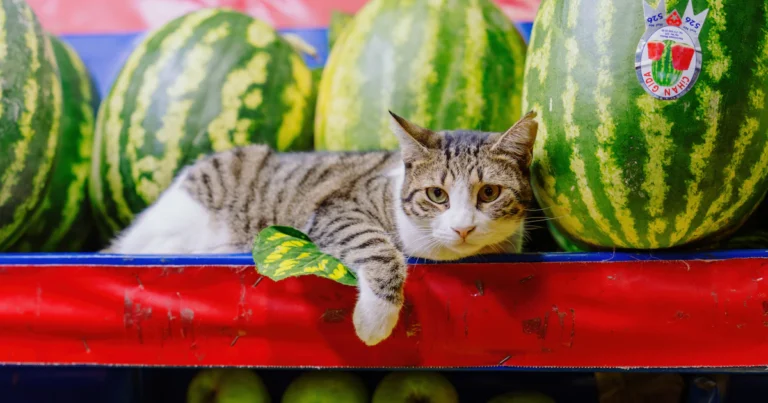
Photo by catsinamman on Unsplash
Salmon is a fish many people cook at home, and a cat that smells it will usually come to investigate. Salmon is safe for cats only when it is cooked, plain and boneless.
This guide explains why raw salmon is a problem and what to know before offering a piece.
Plain, fully cooked, boneless salmon can be an occasional treat for cats. Do not feed raw salmon, and avoid smoked salmon and anything with bones or seasoning.
Is salmon safe for cats?
Cooked salmon is a protein-rich treat that many cats enjoy, but it should not replace a complete cat food. The safe version is plain, thoroughly cooked and boneless.
Why raw salmon is a problem
PetMD explains that raw salmon can carry bacteria such as E. coli and Salmonella, and a parasite called Nanophyetus salmincola, and that cooked salmon is much safer. Raw fish can also contain thiaminase, an enzyme linked to vitamin B1 deficiency when cats eat raw fish regularly, which can cause neurological problems such as seizures. WebVet says no reliable source shows all raw salmon contains thiaminase and that one raw bite does not by itself cause deficiency, so sources disagree on how much risk any single serving carries. The safe advice is simple: cook it. See our raw salmon guide.
How to cook salmon for a cat
Bake, poach or boil plain salmon with no oil, butter, salt, lemon or garlic (Wag Walking), and cook it thoroughly. Remove bones, head and fins. Kinship says treats should stay under about 10 percent of the total diet. Flake it into small pieces, let it cool, and offer a small amount occasionally, not a whole fillet.
Skin and bones
Kinship says to remove skin and bones, which can be choking hazards or cause injury. Sources disagree on skin: PetMD and Hepper say a pinch of cooked skin now and then is fine, while a dietary site warns the fat can add to pancreatitis or obesity risk. PetMD warns that salmon bones, though small, can be a choking hazard and may cause perforations or blockages, and says raw salmon skin should be avoided. Bones are a clear no, cooked or raw.
Canned and smoked salmon
Catster notes that smoked and canned salmon can contain a high concentration of sodium, and that plain salmon cooked at home is the better choice. PetMD advises against canned salmon because of sodium and extras like oil and spices. Catster says water-packed is okay in moderation but oil-packed is too heavy, and Hepper says water-packed is safe but cats are better off without it. For smoked salmon, Kinship says no, because it is salty and may not be heated enough, while PangoVet allows only a tiny piece. Hepper says hot-smoked is cooked, but cold-smoked is not cooked enough.
Smoked salmon: why sources disagree
One major veterinary site says cats should not eat smoked salmon because of its sodium, while another says a small amount is acceptable if it is occasional. Smoked salmon can hold roughly 600 to 1,200 mg of sodium per 100 g by one estimate. Cold-smoked fish is not fully cooked, so the cautious choice is to skip smoked salmon and offer plain cooked fish instead.
Can salmon be an everyday protein?
Salmon is common in commercial cat foods, but those are fortified to be complete. Cooked home salmon alone is not complete nutrition, so it works as a treat or topper, not a standalone diet.
Mercury and variety
Some sources raise mercury as a long-term concern with heavy fish feeding. Rotating proteins and keeping salmon to an occasional treat is a simple way to limit the risk.
Hot-smoked versus cold-smoked salmon
Hepper explains that cold-smoked salmon is cured in salt and smoked at low temperatures for up to 18 hours, so it is not thoroughly cooked and should not be offered to a cat. Hot-smoked salmon is cooked and is the better option, though it can still be high in sodium, and Hepper suggests poaching, baking or boiling plain salmon instead. It says smoked salmon is a treat that should be fed no more than 3 to 4 times a week, and that packaged smoked salmon may contain extra ingredients or excessive salt.
Salmon portions: sources compare
Catster says one salmon meal a week, or a sprinkling two or three times a week, is beneficial and that salmon should never be more than 15 percent of the total diet, while a pinch once a day is also fine. PetMD suggests a pinch or two at a time and, in a separate guide, a 1-inch cube of properly prepared fish as a daily treat for a healthy cat. Chewy quotes a veterinary toxicologist who recommends no more than 20 calories a day from all treats, roughly 2 teaspoons of cooked salmon or chicken. The figures are far apart, and the smallest is the most cautious.
What salmon offers a cat
PetMD says the omega-3 fatty acids in salmon support eyes, skin and coat and may help reduce inflammation. Catster says salmon is a source of DHA and EPA, which cats cannot make themselves, and of vitamin B12, which cats also cannot produce, and that salmon skin has even more omega-3 and omega-6 than the meat. Hepper adds a caution: cooking greatly reduces the protein content of salmon, and in excess omega-3 can worsen inflammation.
Frequently asked questions
Can cats eat raw salmon?
It is best not to. Raw salmon can carry bacteria and parasites.
Can cats eat smoked salmon?
It is not a good choice, because it is usually high in salt and may contain seasonings.
Can cats eat salmon every day?
No. Salmon is a treat. It is not a complete diet, and there is no agreed daily amount.
Can cats eat salmon skin?
A small amount of plain cooked skin is generally fine. Avoid raw skin.
How much salmon is okay?
Kinship says a small portion that stays under 10 percent of the diet.
Is salmon or tuna better?
WebVet notes both vary by product. Plain cooked salmon is the simpler choice. See our tuna guide.
Is salmon cat food safe?
Yes. Commercial salmon recipes are formulated to be complete and balanced, unlike plain salmon from your plate.
Can cats eat cold-smoked salmon?
It is best avoided, since cold-smoked fish is not fully cooked and is salty.
What is thiaminase?
PetMD says it is an enzyme in raw fish that breaks down thiamine, or vitamin B1, and that feeding raw fish in large amounts could lead to a thiamine deficiency. Catster adds that signs of deficiency are neurological and can be fatal.
Can cats be allergic to salmon?
Yes. PetMD says it is rare but salmon is no exception, and Catster says fish allergies in cats are quite common. Catster suggests feeding one bite the first time and watching for 24 hours for signs such as itchy skin, persistent scratching, hair loss, vomiting or diarrhea.
Does cooking reduce the protein in salmon?
Hepper says cooked salmon is safe but that the cooking process greatly reduces its overall protein content, though it is still a good protein source.
Related guides
References
- PetMD: Can Cats Eat Salmon?
- Catster: Can Cats Eat Salmon?
- Webvet: Can cats eat salmon?
- PetMD: Can Cats Eat Salmon?
- Kinship: Can Cats Eat Salmon?
- Hepper: Can Cats Eat Smoked Salmon?
- PangoVet: Can Cats Eat Salmon?
- WebVet: Can Cats Eat Salmon?
- PetMD: Can Cats Eat Salmon?
- Catster: Can Cats Eat Smoked Salmon?
- Hepper: Can Cats Eat Salmon?
- Catster: Can Cats Eat Salmon?
- Catster: Can Cats Eat Salmon Skin?
- Hepper: Can Cats Eat Smoked Salmon?
- Chewy: What Human Foods Can Cats Eat?