Is Xylitol Toxic to Dogs? Signs, Products to Check and What to Do
Last updated: November 25, 2026
Veterinary reviewed by Dr Zahid Iqbal, DVM, MRCVS and Dr Fatih Bozbay, Veterinarian.
Xylitol is a sugar substitute that is safe for people but highly toxic to dogs, and it is easy to miss because it shows up in so many sugar-free products. For a dog, even a small exposure can be an emergency.
This guide explains why xylitol is dangerous, where it hides, how much is too much and what the signs of poisoning look like.
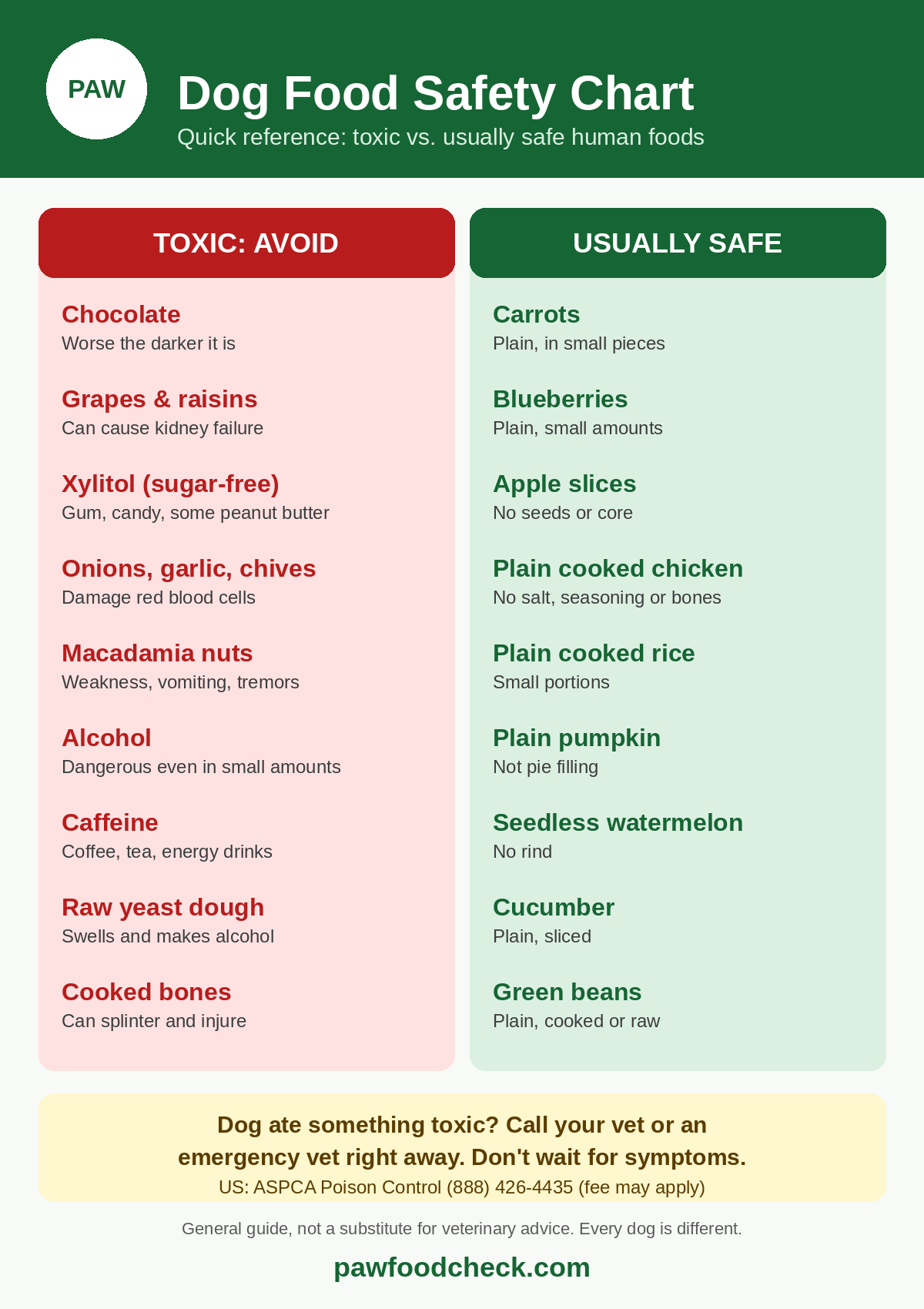
Emergency: if your dog may have eaten anything with xylitol, call your vet, the Pet Poison Helpline at 855-764-7661, or the ASPCA Animal Poison Control Center at 888-426-4435 now. Do not wait for symptoms. Do not make your dog vomit at home unless a vet tells you to. Take the package with you. A consultation fee may apply to the hotlines.
On this page:
Quick answer: Yes. Xylitol is a sugar substitute that is safe for people but highly toxic to dogs. In dogs it causes a sudden drop in blood sugar, and larger amounts can damage the liver. It turns up in sugar-free gum, mints, some peanut butters, baked goods, toothpaste and medicines, so reading ingredient lists is the main way to protect your dog.
- Why xylitol is dangerous for dogs
- Where xylitol hides
- How much xylitol is too much?
- Signs of xylitol poisoning
- What to do if your dog ate xylitol
- Treatment and recovery
- How to prevent it
- FAQ
Why xylitol is dangerous for dogs
Xylitol is a sugar alcohol made from hardwoods such as birch and from corncob remnants. People use it because it tastes sweet and has few calories. Dogs react very differently. When a dog eats xylitol, the body treats it like real sugar and releases a large surge of insulin. Blood sugar then falls quickly, sometimes to a dangerous level.
At higher doses xylitol can also injure the liver. Veterinary toxicologists do not fully understand why. Liver damage is less common than low blood sugar, but it is serious, and dogs with liver injury have a more guarded outlook.
Where xylitol hides
Xylitol is not always listed as “xylitol” in a way you would notice. Ingredient lists may also say birch sugar, birch bark extract or birch sap. The amount differs a lot between products, and even between flavors of the same brand.
Other sugar alcohols such as maltitol and sorbitol do not have the same toxic effect as xylitol, although a large amount of any sweetener can still upset a dog’s stomach. Xylitol also occurs naturally in tiny amounts in some fruits and vegetables, such as berries, lettuce and pumpkin. Those amounts are far too small to harm your dog.
| Product type | Examples | Note |
|---|---|---|
| Gum and mints | Sugar-free gum, breath mints, dental-health gum | One of the most common causes of dog poisoning. Often kept in bags, pockets and cars. |
| Candy and sweets | Sugar-free candy, some chocolates, some ice cream | “Sugar-free” or “no sugar added” is a signal to read the ingredients. |
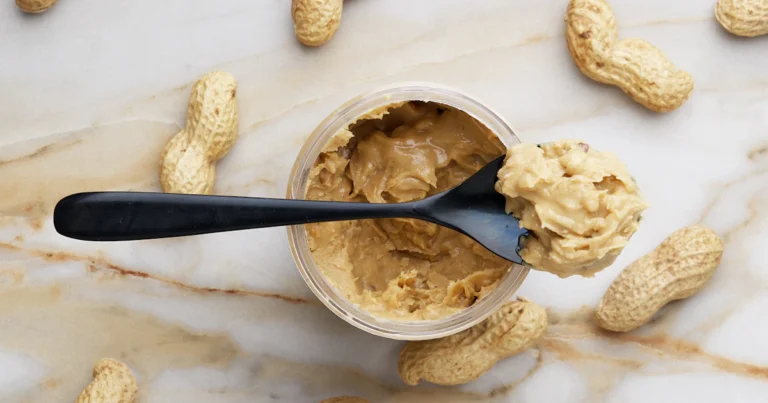
| Nut butters | Some peanut and almond butters | Most mainstream peanut butter has no xylitol, but some “sugar-free” or “protein” brands do. See can dogs eat peanut butter. |
| Baked goods and sweeteners | Sugar-free cookies, home baking with xylitol powder | Bulk xylitol for baking is dangerous if left within reach. |
| Oral care | Human toothpaste, mouthwash, dry-mouth lozenges | Use only toothpaste made for dogs. |
| Medicines and supplements | Chewables, gummies, quick-dissolve and liquid products, some sleep aids | Ask your pharmacist whether a medicine in your home contains xylitol. |
| Other | Nasal sprays, some skin care products | Less common, but worth checking. |
How much xylitol is too much?
Veterinary poison-control sources use two main figures: low blood sugar can start at about 0.1 g of xylitol per kg of body weight, and liver damage becomes a concern at about 0.5 g per kg. The table converts those figures for common dog weights.
These are not safe amounts. They are the points where problems become likely, and individual dogs can react differently. The hard part is that product labels rarely say how much xylitol is inside. As a guide, poison-control sources report that most chewing gum and mints contain roughly 0.22 to 1.0 g of xylitol per piece. That means a single piece could be enough to cause low blood sugar in a dog of about 10 lb.
Because of this uncertainty, do not try to work out the dose yourself and then wait. Call a vet or poison hotline with the product name, the amount your dog may have eaten and your dog’s weight, and let them judge the risk.
| Dog weight | Low blood sugar can start at about | Liver injury risk at about |
|---|---|---|
| 5 lb | 0.23 g | 1.1 g |
| 10 lb | 0.45 g | 2.3 g |
| 20 lb | 0.9 g | 4.5 g |
| 35 lb | 1.6 g | 7.9 g |
| 50 lb | 2.3 g | 11 g |
| 75 lb | 3.4 g | 17 g |
| 100 lb | 4.5 g | 23 g |
Signs of xylitol poisoning
- Vomiting, often the first sign
- Weakness, lethargy or unusual quietness
- Stumbling, wobbling or trouble standing
- Body tremors
- Seizures or collapse
Signs can start within about 20 to 60 minutes, and low blood sugar usually shows up within 1 to 2 hours. In rare cases it has been delayed for up to 12 hours. Signs of liver trouble, such as loss of appetite, vomiting, yellow gums or abnormal bleeding, can appear a day or two later. A dog that looks normal right after eating xylitol is not in the clear.
What to do if your dog ate xylitol
- Remove any remaining product and check your dog’s mouth for gum or pieces.
- Call right away. Phone your vet, Pet Poison Helpline (855-764-7661) or ASPCA Animal Poison Control Center (888-426-4435).
- Have the details ready: your dog’s weight, the product, how much may be missing, when it happened, and any signs.
- Bring the package or a photo of the ingredient list to the clinic.
- Do not give home remedies and do not induce vomiting yourself. Your vet may induce it in the clinic if it is safe and the exposure was recent.
- Go straight to an emergency clinic if your dog is weak, wobbly, having seizures or collapsing. Keep the dog warm and calm on the way, and let the clinic know you are coming.
Treatment and recovery
There is no specific test for xylitol, so diagnosis is based on what your dog ate, the signs and blood work such as blood glucose and liver enzymes. Treatment usually includes monitoring blood sugar, IV fluids and dextrose, and medicines to protect the stomach and liver. Dogs commonly stay in the hospital for 12 to 24 hours or longer, and liver values are often rechecked a few days later. Some dogs go home on a liver-support supplement for several weeks.
The outlook is generally good when treatment starts early and the dog only develops low blood sugar. If liver damage occurs, recovery is still possible, but it takes intensive care and the outlook is more guarded. Early action makes the biggest difference.
How to prevent xylitol poisoning
- Read the ingredient list on any “sugar-free”, “no sugar added” or “protein” food before it comes near your dog.
- Store gum, mints, toothpaste, vitamins and medicines in closed cabinets, not in open bags or on low tables.
- Keep handbags, backpacks and coat pockets out of reach, and ask guests to do the same.
- Brush your dog’s teeth only with a toothpaste made for dogs.
- Do not share human food, especially sugar-free desserts, without checking the label first.
- Tell family and visitors why it matters, especially during holidays when sweets are everywhere.
Xylitol is just one of several everyday dangers. Our guides on chocolate and grapes and raisins cover two others.
FAQ
How long does it take for xylitol to affect a dog?
Some dogs show signs within 20 to 30 minutes. Low blood sugar is usually evident within 1 to 2 hours, and it has occasionally been delayed up to 12 hours. Call as soon as you suspect exposure rather than waiting for signs.
Can one piece of gum kill a dog?
A single piece can contain enough xylitol to cause low blood sugar in a small dog, and it can become life-threatening without treatment. Many dogs recover well when they get veterinary care early, so do not delay the call.
Is xylitol in all peanut butter?
No. Most mainstream peanut butter has none, but some sugar-free or protein-style brands do. Always read the ingredients. More in our peanut butter guide.
Can dogs recover from xylitol poisoning?
Yes. Most dogs that get prompt treatment recover. Dogs that develop liver injury need longer, more intensive care, and their outlook is less certain.
Is xylitol toxic to cats?
Poison-control sources note that dogs are by far the best-documented victims, and there are only anecdotal reports in cats. Keep it away from cats anyway and ask your vet if your cat gets into it.
My dog ate something and I cannot find xylitol on the label. Is it safe?
Not necessarily. Some products do not list the amount, and xylitol may appear under another name such as birch sugar. When in doubt, call your vet or a poison hotline with the product name.
Are puppies and small dogs at higher risk from xylitol?
Yes. The dose depends on body weight, so a single piece of gum can be a serious dose for a puppy or a small dog. Treat any amount as an emergency and call your vet or a poison line straight away.
Are other sweeteners like erythritol or stevia toxic to dogs?
Poison control sources do not list erythritol or stevia as toxic to dogs in the way xylitol is, although large amounts can still upset the stomach. Products often mix several sweeteners, so read the full ingredient list and call your vet if xylitol (also labelled birch sugar) appears anywhere on it.
Bottom line
Xylitol is one of the most common and most preventable poisonings in dogs. Read labels, keep sugar-free products out of reach, and treat any possible exposure as an emergency. Fast action gives most dogs a good chance of full recovery.
PawFoodCheck is not a veterinary service. This article is general information and does not replace advice from your own veterinarian. For a possible poisoning, call a vet or poison hotline immediately.
Related guides
- Can dogs eat pistachios?
- Can dogs eat walnuts?
- Can dogs eat cinnamon?
- Can dogs eat honey?
- Can dogs eat marshmallows?
References
- Pet Poison Helpline, Xylitol and Dogs
- PetMD, Xylitol Poisoning in Dogs: Signs, Treatment, and Prevention
- American Kennel Club, Dog accidentally eats gum
- Cornell University College of Veterinary Medicine, Riney Canine Health Center, Xylitol Toxicity in Dogs
- Pet Poison Helpline, Renee D. Schmid, DVM, on xylitol dosing
- Merck Veterinary Manual, Xylitol Toxicosis in Dogs (as cited by Vetster and vetmeds.org)