Can Dogs Eat Cheese Puffs? Salt, Seasoning & What to Do (2026)
Last updated: November 25, 2026
Veterinary reviewed by Dr Zahid Iqbal, DVM, MRCVS and Dr Fatih Bozbay, Veterinarian.
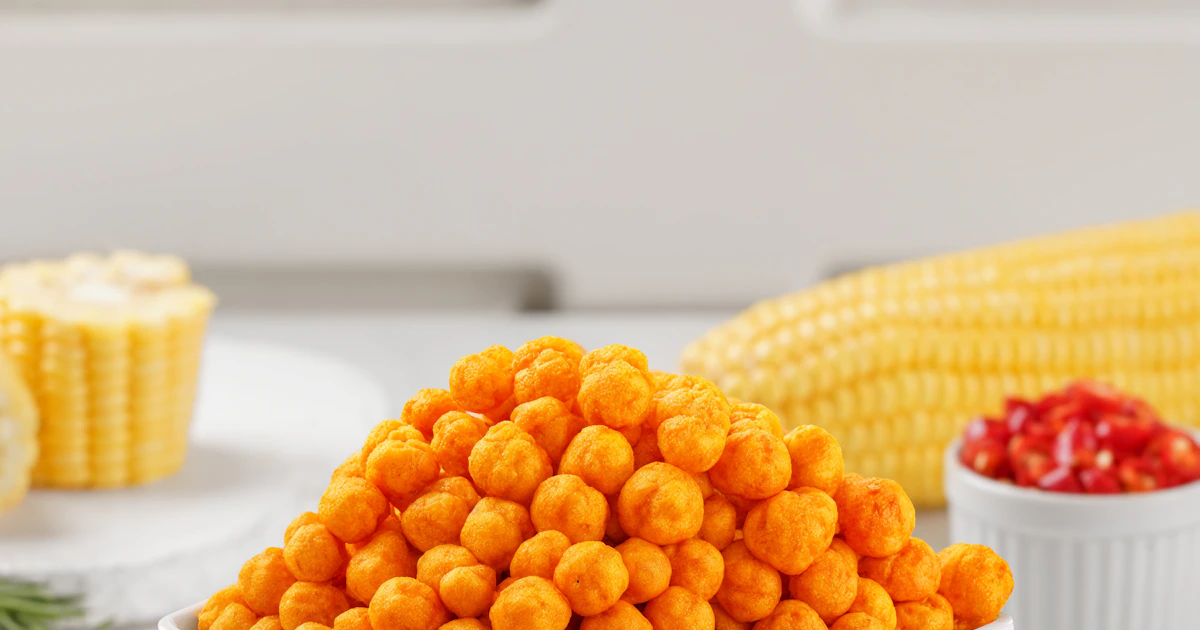
Photo by dion armadi on Unsplash
Cheese puffs are light, crunchy and easy to drop, so a few often end up on the floor within reach of a dog. They are not highly toxic, so a few dropped puffs are unlikely to be an emergency, but they are not recommended: they are salty, oily and coated in a seasoning powder that can contain onion or garlic.
Below we cover the risks and what to do if your dog ate a larger amount.
Quick answer: Cheese puffs are not recommended for dogs. They are not highly toxic, so a few dropped puffs are unlikely to be an emergency, but they are salty, oily and coated in seasoning powder that can contain onion or garlic. Regular snacking can upset the stomach and add empty calories. If your dog ate a whole bag, call your vet.
On this page
- Can dogs have cheese puffs?
- Risks to know
- My dog ate cheese puffs: what to do
- Cheese snacks compared
- How to read a snack label
- Safer alternatives
- FAQ
Can dogs have cheese puffs?
A few puffs are unlikely to hurt a healthy dog, but there is no good reason to share them. Cheese puffs and cheese curls are mostly cornmeal (see can dogs eat corn), vegetable oil, salt and a “cheese” flavor powder. They contain very little real cheese, and the powder often includes onion powder, garlic powder, yeast extract and other flavorings. A 1-ounce (28 g) serving has roughly 150 kcal and a few hundred milligrams of sodium. Compare that with a small piece of plain string cheese or cheddar. For the cheese overview, see can dogs eat cheese.
Risks to know
- Salt: Snack puffs are salty. Large amounts can cause thirst and, in extreme cases, salt poisoning, especially in small dogs.
- Onion and garlic powder: Many flavored snacks contain them. These can harm red blood cells in larger amounts. See can dogs eat garlic.
- Oil and fat: Greasy snacks can upset the stomach and may trigger pancreatitis in susceptible dogs.
- Artificial colors and flavors: Not known to be dangerous in small amounts, but not helpful either.
- Hot or spicy flavors: Flamin’ hot style snacks add chili and are a worse choice.
- Empty calories: They fill dogs up without any nutritional benefit.
My dog ate cheese puffs: what to do
- Check the amount and the label. Look for onion, garlic, xylitol or other unusual ingredients. Xylitol is not common in these snacks, but check any flavored or “light” product.
- A few puffs: Offer water and watch. Mild stomach upset is possible.
- A big bag: Call your vet or a poison helpline (Pet Poison Helpline 855-764-7661, ASPCA Animal Poison Control 888-426-4435), especially for small dogs.
- Watch for signs: Vomiting, diarrhea, heavy thirst, lethargy, pale gums or tremors need prompt veterinary attention.
Cheese snacks compared
| Snack | Safe? | Notes |
|---|---|---|
| Cheese puffs and cheese curls | Not recommended | Salt, oil, seasoning powder |
| Cheese crackers (cheese-flavored) | No | Salt, flour and seasonings |
| Baked cheese crisps | Avoid | Very salty and concentrated |
| Cheese-flavored popcorn | No | Salt, butter and seasoning |
| Cheese-flavored chips | No | Onion and garlic powder |
| Plain real cheese, tiny piece | Better choice | See string cheese |
| Dog-safe plain treats | Best choice | Made for dogs, no seasoning |
How to read a snack label before sharing
If your dog has already eaten a snack and you are unsure how worried to be, the ingredient list tells you most of what you need. Look for:
- Onion powder or garlic powder: the biggest concern in seasoned snacks. See can dogs eat garlic.
- Sodium per serving: compare the number to the amount your dog actually ate, not the serving size. Small dogs are affected by far less salt than people.
- Sweeteners: rare in cheese snacks, but check any flavored or “light” product for xylitol.
- Spices and chili: hot flavors irritate the stomach.
- Packaging: pieces of the bag are a blockage risk.
Cheese puffs vs real cheese
Cheese puffs taste like cheese but are mostly cornmeal and oil. If your dog loves the cheesy flavor, a tiny piece of plain real cheese gives the same reward with far less salt and no seasoning powder. See string cheese or cheddar for how much is reasonable, and the cheese guide for the overall picture.
Safer crunchy snacks than cheese puffs
These plain snacks are crunchy too, and they skip the salt, fat and flavor powder.
- A few pieces of plain, air-popped popcorn with no salt or butter.
- Carrot sticks, raw or lightly steamed.
- Apple slices with the core and seeds removed.
- A tiny cube of plain mozzarella if it is the cheese your dog is after.
Keep any treat small, and count it within the usual limit of about 10% of daily calories.
FAQ
Can dogs eat cheese puffs?
A few are unlikely to cause an emergency, but cheese puffs are salty, oily and seasoned, so they are not recommended.
Are cheese puffs toxic to dogs?
They are not highly toxic, but the seasoning may contain onion or garlic powder, and large amounts of salt can be a problem.
Can dogs eat Cheetos?
The same advice applies to Cheetos and similar snacks: avoid them. Hot and spicy flavors are worse.
Can dogs eat cheese balls?
Plain cheese balls or cheese-flavored snack balls are also high in salt and fat. Avoid them, and check for garlic or onion.
What can I give instead of cheese puffs?
Dog treats made for dogs, or a tiny piece of plain cheese if your dog tolerates dairy.
Are baked cheese puffs safer for dogs?
Not really. Baking cuts some of the oil, but the salt and seasoning powder are still there, so they are still not recommended.
Can cheese puffs cause pancreatitis?
A few puffs are unlikely to, but a large amount of greasy snack food can trigger pancreatitis in a susceptible dog. Call your vet if your dog vomits repeatedly or seems to be in pain.
Related: see our guide to pimento cheese, Cheese Whiz and cheese dips for other processed cheese snacks.
Can puppies eat cheese puffs?
No. Cheese puffs are salty, fatty and low in nutrition, and a puppy’s stomach is more easily upset than an adult dog’s. One dropped puff is unlikely to cause harm, but do not offer them.
Bottom line
Skip cheese puffs. If your dog grabbed a few, it is usually fine, but a large amount deserves a call to your vet.
I’m not a veterinarian. This article is general information and does not replace advice from your vet or a poison control service.
Related guides
References
- Pet Poison Helpline, salt toxicity
- ASPCA Animal Poison Control, onions and garlic
- Merck Veterinary Manual, salt poisoning in animals
- American Kennel Club (AKC), can dogs eat cheese