Can Dogs Eat Grilled Cheese? Butter, Bread & What to Do (2026)
Last updated: November 25, 2026
Veterinary reviewed by Dr Zahid Iqbal, DVM, MRCVS and Dr Fatih Bozbay, Veterinarian.
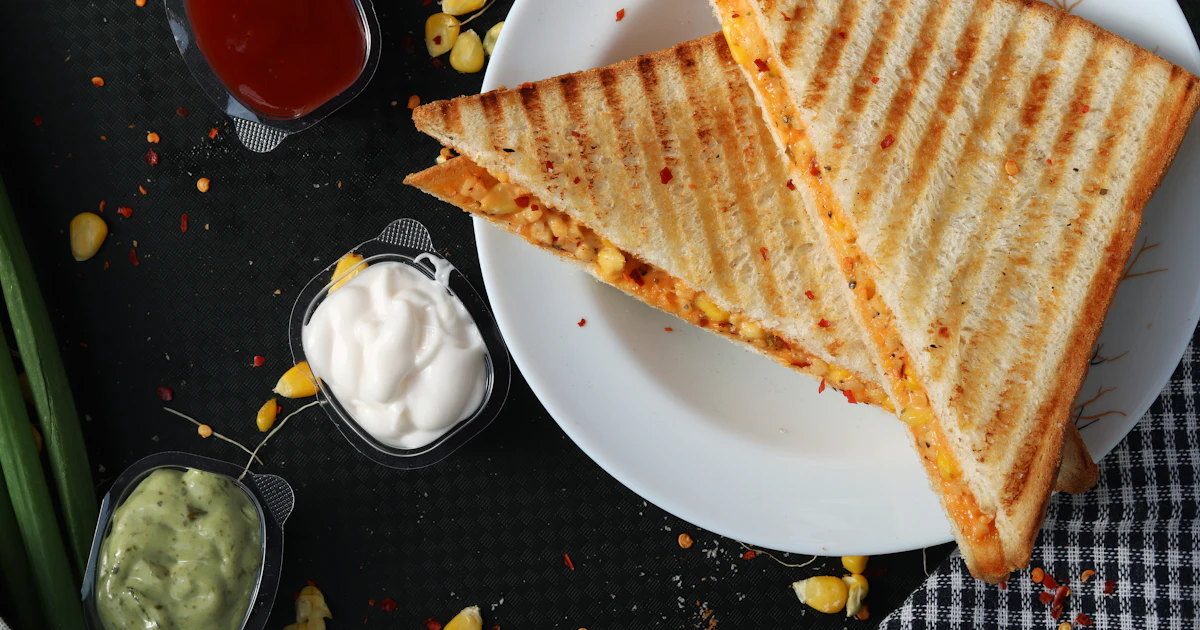
Photo by Pixzolo Photography on Unsplash
Grilled cheese is simple, warm and smells wonderful, so leftover crusts tend to attract a dog. A small bite is unlikely to harm a healthy dog, but grilled cheese is not recommended, because it combines buttered bread and salty cheese and sometimes extras like onion, garlic, ham or sauce.
This guide covers the risks, what to do if your dog ate some and how different grilled cheese variations compare.
Quick answer: Grilled cheese is not recommended for dogs. A small bite is unlikely to harm a healthy dog, but it combines buttered bread, salty cheese and sometimes extras like onion, garlic, ham or sauce. That means a lot of fat and salt for very little benefit. If you want to share cheese, a tiny piece of plain cheese is a better choice.
On this page
- Can dogs have grilled cheese?
- Risks to know
- My dog ate grilled cheese: what to do
- Grilled cheese variations
- Why a whole sandwich is a lot
- Safer alternatives
- FAQ
Can dogs have grilled cheese?
A corner of a plain grilled cheese will not usually cause a problem, but it is not a good snack. A typical sandwich uses two slices of white bread (see can dogs eat bread), butter or oil and processed slices like American cheese or cheddar. That adds up to roughly 350 to 450 kcal and 700 mg or more of sodium, depending on the recipe. For a small dog, that is a big share of a day. For the overall cheese picture, see can dogs eat cheese.
Risks to know
- Butter and fat: Greasy food can cause vomiting and diarrhea, and may trigger pancreatitis in susceptible dogs.
- Salt: Bread, butter and processed cheese all add sodium.
- Onion and garlic: Garlic butter, garlic bread or onion in the sandwich make it unsafe. See can dogs eat garlic and can dogs eat onions.
- Add-ins: Ham, bacon, tomato soup (often with onion and salt), mustard and sauces are not good for dogs.
- Lactose: Some dogs react to dairy.
- Raisin or specialty breads: Raisin bread, sourdough with seeds or breads with xylitol sweeteners (rare, but check labels) are risky.
My dog ate grilled cheese: what to do
- Check the ingredients. Look for onion, garlic, raisins, xylitol, ham or heavy sauces.
- A bite or a crust: Offer water and watch for stomach upset.
- A whole sandwich: Call your vet for advice, especially for small dogs. Expect possible vomiting or diarrhea from the fat.
- Onion, garlic or xylitol involved: Call your vet or a poison helpline right away. Pet Poison Helpline: 855-764-7661. ASPCA Animal Poison Control: 888-426-4435 (consultation fees may apply).
Grilled cheese variations
| Version | Safe? | Notes |
|---|---|---|
| Plain grilled cheese, a small bite | Not recommended | Butter, salt and fat |
| Grilled cheese with garlic butter | No | Garlic |
| Grilled cheese with onion or jalapeño | No | Onion and spicy peppers |
| Grilled cheese with ham or bacon | No | Very salty and fatty |
| Grilled cheese with tomato soup | No | Soup often has onion and salt |
| Grilled cheese with raisin bread | No | Raisins are toxic to dogs |
| Cheese quesadilla or cheese pizza | No | See cheese pizza |
| Mac and cheese | No | See mac and cheese |
Why a whole sandwich is a lot for a dog
The problem with grilled cheese is the total, not any one ingredient. A typical sandwich is roughly 350 to 450 kcal. A small dog may need only about 200 to 350 kcal in a whole day, depending on size and activity (your vet can give you a number for your dog), so one sandwich can be a full day of calories, mostly from fat. Each part adds something:
- Bread: plain bread is not toxic in small amounts, but it adds refined carbohydrate and salt. See can dogs eat bread.
- Butter or oil: pure fat. This is the part most likely to cause trouble, because sudden high-fat meals are a known trigger for pancreatitis in susceptible dogs.
- Cheese: the least worrying part, if it is plain and the amount is small.
Better ways to share a cheesy snack
If your dog is begging while you eat, give a pea-size piece of plain cheese on its own, not a bite of the sandwich. String cheese torn into tiny pieces works well, and the best cheese for dogs guide ranks the safer options. Dogs with a history of pancreatitis, obesity or a sensitive stomach should skip cheese unless the vet agrees.
Safer ways to share the cheese
If your dog wants a taste while you eat a grilled cheese, skip the buttery bread and offer one of these.
- A tiny piece of plain mozzarella or mild cheddar.
- A small spoonful of plain low-fat cottage cheese.
- A few pieces of plain cooked chicken.
Keep any treat small, and count it within the usual limit of about 10% of daily calories.
FAQ
Can dogs eat grilled cheese?
It is not recommended. A small bite is unlikely to harm a healthy dog, but it is buttery, salty and often has extras that are not safe.
Can dogs eat grilled cheese crusts?
A small plain crust is not usually harmful, but it carries the same butter and salt. It is best avoided.
Is grilled cheese toxic to dogs?
Not by itself. The risk is from fat, salt and added garlic, onion or other ingredients.
What can I give instead?
A tiny piece of plain cheese, or a dog treat made for dogs.
Can puppies eat grilled cheese?
No. Puppies are small and sensitive to fat and salt, so keep it away.
Can grilled cheese give a dog pancreatitis?
It can in a susceptible dog, because a buttery, fatty meal is a known trigger. Warning signs include repeated vomiting, a hunched posture, belly pain, loss of appetite and lethargy. Call your vet if you see them.
Is it okay if my dog only licked the butter?
A small lick is unlikely to cause problems for a healthy dog, but there is no benefit, and larger amounts of butter or grease are best avoided.
Bottom line
Skip the sandwich. A plain grilled cheese bite is rarely an emergency, but there are better ways to share cheese, and any garlic, onion, raisin or xylitol involvement deserves a call to your vet.
I’m not a veterinarian. This article is general information and does not replace advice from your vet or a poison control service.
Related guides
References
- Pet Poison Helpline, onions, garlic and xylitol
- ASPCA Animal Poison Control, people foods to avoid
- Merck Veterinary Manual, pancreatitis and salt poisoning
- American Kennel Club (AKC), can dogs eat cheese