Can Dogs Eat Walnuts? Mold, Toxin & Fat Risks (2026)
Last updated: November 25, 2026
Veterinary reviewed by Dr Zahid Iqbal, DVM, MRCVS and Dr Fatih Bozbay, Veterinarian.
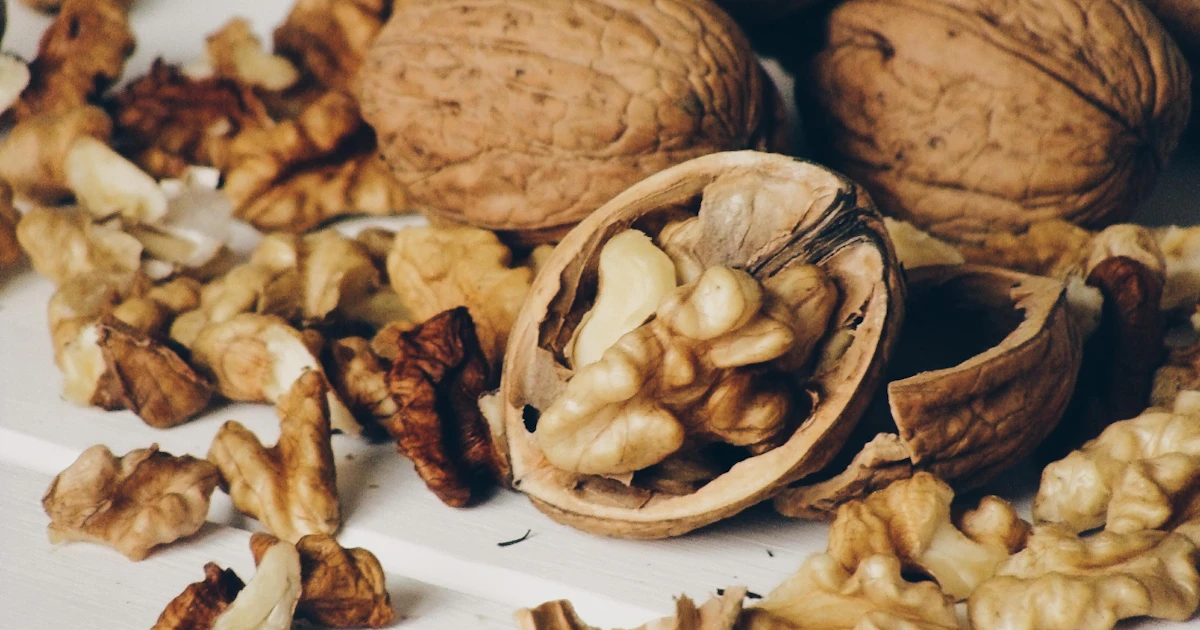
Photo by Stacy on Unsplash
Walnuts are in baking, salads and snack bowls, and a nut that rolls off a counter is easy for a dog to grab. Walnuts are not recommended for dogs. A single clean, fresh English walnut is not an emergency for most dogs, but walnuts are very high in fat, are a choking and blockage risk and can grow mold.
Below we explain why walnuts are a problem and what to do if your dog ate some.
Dog ate moldy walnuts, shells, or has tremors, seizures, vomiting or a painful belly? Treat it as an emergency. Call your vet or an emergency clinic now. Pet Poison Helpline: 855-764-7661. ASPCA Animal Poison Control: 888-426-4435.
Quick answer: Walnuts are not recommended for dogs. A single clean, fresh English walnut is not an emergency for most dogs, but walnuts are very high in fat, are a choking and blockage risk, and can grow mold that produces toxins causing tremors and seizures. Old, moldy, fallen or black walnuts are the most dangerous. Choose a safer treat.
On this page
- Can dogs have walnuts?
- Why walnuts are a problem
- What to do if your dog ate walnuts
- Walnut forms compared
- Better treats
- FAQ
Can dogs have walnuts?
Most vets and the American Kennel Club advise against it. Plain English walnuts are not classed as highly toxic, but they carry several risks, and dogs get nothing from them that a normal diet does not already supply. Walnuts are about 654 kcal per 100 g according to USDA data, and roughly two thirds of that is fat. That is one of the highest fat contents of any common nut. Because the honest amount for most dogs is none, I do not give a feeding table for walnuts.
Why walnuts are a problem
- Mold and tremorgenic toxins: Old, stored, damp or fallen walnuts, especially in the husk, can grow molds that produce tremorgenic mycotoxins. Eating them can cause vomiting, tremors, seizures and in severe cases death. Dogs are drawn to fallen nuts in the yard.
- Black walnuts: The nut and hull of black walnuts can also cause stomach upset and, with mold, the same neurological signs.
- High fat: Fatty nuts can cause vomiting and diarrhea and may trigger pancreatitis.
- Choking and blockage: Whole walnuts and shell pieces are hard and can block the throat or intestines, especially in small dogs.
- Salt and flavorings: Candied, salted, spiced and chocolate-covered walnuts add sugar, salt or other hazards, such as chocolate or xylitol. See is xylitol toxic to dogs.
- Baked goods: Walnut brownies and banana bread often contain chocolate, sugar or raisins.
Signs of tremorgenic mycotoxin poisoning can start within hours: restlessness, drooling, vomiting, muscle tremors, stiffness, an unsteady walk and seizures.
What to do if your dog ate walnuts
Do not make your dog vomit unless a vet tells you to.
| What happened | What to do |
|---|---|
| One clean, fresh walnut piece, large healthy dog | Usually just watch for stomach upset over the next day |
| Any walnuts eaten by a small dog, or several walnuts | Call your vet for advice |
| Old, moldy, fallen or husked walnuts | Call your vet or poison control now, even if your dog seems fine |
| Shells or shell pieces | Call your vet; watch for gagging, vomiting and a painful belly |
| Tremors, seizures, stumbling or severe drooling | Emergency: go to a vet immediately |
| Chocolate-covered or xylitol-containing walnut products | Call your vet or poison control now |
Walnut forms compared
| Form | Safe? | Notes |
|---|---|---|
| Plain fresh English walnut, tiny piece | Not recommended | High fat; choking |
| Walnut pieces from a baking bag | Avoid | Stored nuts can go moldy |
| Moldy, old or fallen walnuts | No | Tremorgenic toxins |
| Black walnuts and hulls | No | Irritating and often moldy |
| Walnut shells | No | Blockage and choking |
| Candied, salted or spiced walnuts | No | Sugar, salt and seasonings |
| Chocolate-covered walnuts | No | Chocolate is toxic |
| Walnut baked goods (brownies, bread) | No | Chocolate, sugar, raisins |
| Walnut oil | Avoid | Pure fat |
| Walnut butter | Avoid | Fat; check for xylitol |
Better treats
If your dog loves crunchy treats, try carrots or apples without seeds. For nut flavors, a few plain unsalted peanuts are a lower-risk option, though still fatty. See also almonds and cashews for how other nuts compare. Macadamia nuts are toxic to dogs and should never be shared.
Which walnut: sources do not fully agree
PetMD says English walnuts, the kind sold in grocery stores, are generally safe for dogs apart from the other concerns, while black walnuts should never be fed. The AKC says English walnuts are not necessarily toxic but that it is wise to avoid them, and that dogs are best off without walnuts altogether. Hepper says English walnuts are less likely to cause trouble in tiny amounts, but still lists stomach upset and mold as risks. The one thing every source agrees on is black walnuts: never.
Mold is the sneaky risk
The AKC says walnuts are prone to mold, including a type linked to aflatoxin, and that moldy walnuts may carry penitrem A, which can cause tremors and seizures. PetMD says any nut that has become moldy is toxic to dogs. Chewy says store-bought, processed walnuts are much less likely to be affected than ones gathered from backyard trees, but mold can grow on any walnut at any stage, shelled or not, and says never to feed walnuts from backyard trees. Chewy adds that washing and drying nuts is possible but not the better move.
Fat and pancreatitis
The AKC says walnuts are high in oil and fat and that more than a handful can put a dog at risk of pancreatitis. PetMD says all nuts are high in fat and calories, with a table putting raw English walnuts at around 654 kilocalories per 100 grams. Hepper says there is a possible link between excess dietary fat and pancreatitis, though it notes research is still in progress.
Shells and size
Chewy says walnuts are one of the larger nuts and difficult to digest, that small dogs are more prone to blockages, and that a walnut still in its shell makes a blockage quite possible. Hepper says a shelled walnut is the right size to make a small dog choke, while one in the shell can lodge in a large dog’s throat.
Foods that contain walnuts
Hepper says to steer clear of walnut butter, cookies and breads, which are usually high in sodium and sugar and may even contain xylitol. Chewy says walnut cookies are technically okay since they hold little walnut, but they are loaded with sugar and butter. Chewy’s FAQ says walnut oil is okay if you adjust for calories, and that it is used in some dog foods.
FAQ
Are walnuts toxic to dogs?
Fresh plain walnuts are not highly toxic, but they carry risks of mold toxins, high fat, choking and blockage. Moldy or black walnuts are dangerous.
Can dogs eat walnuts in the shell?
No. Shells can block the gut and injure the mouth.
Can dogs eat walnut butter or walnut oil?
It is better to avoid them. They are very high in fat.
Can dogs eat banana bread with walnuts?
No. It usually has sugar and sometimes chocolate or raisins, and the walnuts add fat.
Can puppies eat walnuts?
No. Puppies are small and can choke on them.
My dog ate walnuts from the yard. What now?
Call your vet or poison control right away. Fallen walnuts are often moldy.
Are English walnuts safe for dogs?
PetMD says generally yes, apart from fat, choking and mold concerns; the AKC and Hepper say it is best to avoid them.
Can dogs eat walnuts from the yard?
Chewy says never feed dogs walnuts gathered from backyard trees, because of the mold risk.
Are walnut shells dangerous?
Chewy says walnut shells can lodge in the intestines and cause a blockage, especially in small dogs.
Is walnut oil safe for dogs?
Chewy says yes, as long as you account for the calories; it is used in some dog foods.
Bottom line
Walnuts are not worth the risk for dogs. A single clean piece may pass without trouble, but mold toxins, fat, shells and choking make them a poor treat. If your dog gets into old, moldy or fallen walnuts, call your vet quickly instead of waiting for signs.
I’m not a veterinarian. This article is general information and does not replace advice from your vet or poison control, especially if you think your dog ate moldy walnuts.
Related guides
- Can dogs eat honey?
- Can dogs eat popcorn?
- Can dogs eat eggs?
- Can dogs eat Doritos?
- Can dogs eat macadamia nuts?
References
- American Kennel Club (AKC), can dogs eat walnuts
- PetMD, can dogs eat walnuts and mycotoxin poisoning
- ASPCA, toxic people foods and moldy foods
- Pet Poison Helpline, tremorgenic mycotoxin toxicity
- USDA FoodData Central, English walnut nutrient data
- AKC, Can Dogs Eat Walnuts? (English vs black, mold, fat)
- AKC, Can Dogs Eat Acorns and Other Tree Nuts? (juglone)
- PetMD, Can Dogs Eat Nuts? (English vs black, moldy, calories)
- Hepper, Can Dogs Eat Walnuts? (types, shells, products)
- Chewy, Can Dogs Eat Walnuts? (backyard walnuts, shells, oil)
- PetMD, What Can Dogs NOT Eat? (nuts, black walnuts)