Can Dogs Eat Pasta? Plain vs Sauce, Amounts & Risks (2026)
Last updated: November 25, 2026
Veterinary reviewed by Dr Zahid Iqbal, DVM, MRCVS and Dr Fatih Bozbay, Veterinarian.
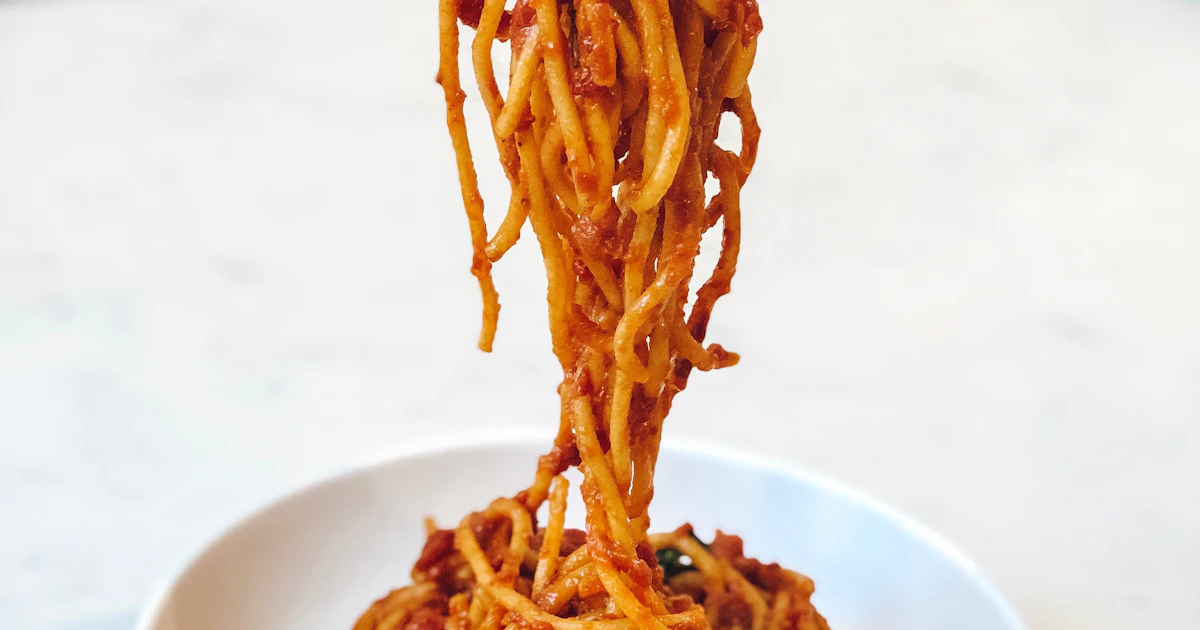
Photo by Krista Stucchio on Unsplash
Plain pasta is the simplest thing in the pantry, and a noodle that falls off the plate often goes straight to the dog. Dogs can eat plain cooked pasta in small amounts. It is not toxic, but it is mostly empty carbohydrate, so it is a once-in-a-while extra, not a meal. The real danger is the sauce and seasoning.
Below you will find the risks, how much pasta a dog can eat and how different pasta types and dishes compare.
Quick answer: Yes, dogs can eat plain cooked pasta in small amounts. Plain pasta is not toxic, but it is mostly empty carbohydrate, so it is a once-in-a-while extra, not a meal. The real danger is the sauce and seasonings: garlic, onion, salt, butter and cheese sauces are a problem.
On this page
- Can dogs have pasta?
- Risks to know
- How much pasta can a dog eat?
- Pasta types and dishes compared
- How to serve it
- FAQ
Can dogs have pasta?
Yes, in small amounts. Pasta is made from flour, water and sometimes eggs, all of which are generally safe for dogs that are not allergic. Plain cooked pasta has about 158 kcal per 100 g according to USDA data and gives little beyond carbohydrate energy. Pet sources such as the American Kennel Club and PetMD say plain, cooked pasta is fine occasionally but should not replace a balanced dog food. Think of it like bread or rice: safe when plain, but not a nutritional need.
Risks to know
- Garlic and onion: Pasta sauces and seasoned dishes often contain them, and they are harmful to dogs. See garlic and onions.
- Salt, butter and oil: Cooked pasta is often salted, and rich sauces add fat that can upset the stomach or trigger pancreatitis.
- Weight gain: Pasta is calorie-dense for its portion. Extra carbs add up quickly for small dogs.
- Tomato sauce: Ripe tomato flesh is generally fine, but jarred sauces contain salt, sugar, and often garlic or onion. See tomatoes.
- Gluten or wheat sensitivity: Some dogs react to wheat. Watch for itching, ear problems or loose stools.
- Raw pasta: Dry pasta is hard and can be a choking or blockage risk. Always cook it.
How much pasta can a dog eat?
There is no official vet standard for pasta portions. These numbers are my own conservative estimates for plain cooked pasta, chosen to keep treats under 10% of daily calories. Start small.
Dogs that are overweight, diabetic or have pancreatitis should only have pasta if your vet agrees.
| Dog weight | Practical amount, 1 to 2 times a week |
|---|---|
| Under 10 lb (4.5 kg) | 1 to 2 tablespoons |
| 10 to 25 lb (4.5 to 11 kg) | 2 to 3 tablespoons |
| 25 to 50 lb (11 to 23 kg) | About 1/4 cup |
| 50 to 100 lb (23 to 45 kg) | 1/4 to 1/2 cup |
| Over 100 lb (45 kg) | Up to 1/2 cup |
Pasta types and dishes compared
| Type | Safe? | Notes |
|---|---|---|
| Plain cooked spaghetti, penne or macaroni | Yes, in small amounts | No salt, oil or sauce |
| Whole-wheat pasta | Yes, in small amounts | Slightly more fiber; same portion rules |
| Pasta with tomato sauce | Avoid | Jarred sauce often has garlic, onion and salt |
| Pasta with garlic, onion or herbs | No | Garlic and onion are harmful |
| Alfredo, carbonara or cheesy pasta | No | Rich fat, salt and often garlic |
| Mac and cheese | No | Dairy, salt and fat |
| Raw or dry pasta | No | Hard; choking and blockage risk |
| Gluten-free or legume pasta | Plain only | Check ingredients for onion or garlic powder |
How to serve pasta to your dog
- Cook plain pasta in unsalted water until it is soft.
- Drain it and let it cool. Do not add sauce, butter, oil, garlic, onion or cheese.
- Cut long noodles into short lengths.
- Offer a spoonful or two as an occasional extra, not as a meal.
The first time, give only one or two small pieces of pasta and watch for vomiting or loose stools over the next day before offering more.
Wheat allergy and pasta
Pasta is made from wheat, so a dog with a wheat or grain allergy can react to it. Hepper lists allergy as one significant risk of feeding pasta. If your dog gets itchy skin, ear trouble or stomach upset after a first small taste, stop feeding it and ask your vet.
Why pasta sauce is the real problem
Plain pasta is not toxic, but the sauce often is. Hepper says almost every premade spaghetti sauce contains garlic and onion, and that garlic is more potent than onion and can damage red blood cells. The American Kennel Club says garlic is about five times more toxic than onion, and that garlic powder is especially concentrated. Hepper adds that small amounts of sauce may only cause a mild stomach upset, but a toy or small breed that eats a lot should be checked by a vet.
Alfredo, pesto and other rich sauces
Alfredo has butter, cheese and often garlic, so Hepper advises against it for dogs in any amount, and notes that the fat and dairy alone can cause vomiting and diarrhea. Pesto is also out: Hepper says traditional pesto contains garlic and a lot of olive oil. Cream and cheese sauces are a poor fit even without garlic.
Ravioli, lasagna and gnocchi
Filled and baked pasta dishes bring extra ingredients. Hepper says ravioli and gnocchi are acceptable only if plain and free of garlic, onion and chives, and lasagna is not recommended because it is rich and usually made with garlic and onion. Some breeds react more strongly to these ingredients. Hepper names Japanese breeds such as the Akita and Shiba Inu as more vulnerable to garlic and onion.
Pasta is mostly carbohydrate
Hepper points out that pasta is mainly carbohydrate with little protein or fat, so too much can lead to weight gain, digestive trouble and a thin diet. Dogs need some carbohydrate, but not much from pasta. Think of a few cooked noodles as a treat, not a meal.
FAQ
Can dogs eat spaghetti?
Plain cooked spaghetti is fine in small amounts. Cut it into short pieces so it is easier to eat. Never serve it with sauce that has garlic or onion.
Can dogs eat pasta with tomato sauce?
It is better to avoid it. Many sauces contain garlic, onion, salt and sugar. A little of a plain, homemade tomato sauce without those is lower risk, but plain pasta is safer.
Can dogs eat cooked pasta every day?
It is not recommended. Pasta offers little nutrition for dogs, and daily extras add calories.
Can puppies eat pasta?
A small bite of plain cooked pasta is unlikely to hurt, but puppies do better on a balanced puppy food. Ask your vet.
Can dogs eat pasta noodles with eggs?
Egg noodles are fine if plain and cooked. Avoid ones with salt, butter or seasoning.
My dog ate pasta with garlic sauce. What should I do?
Call your vet or Pet Poison Helpline (855-764-7661) for advice, especially if the amount was large or your dog is small. Signs of garlic or onion toxicity, such as weakness, pale gums and lethargy, can appear after a day or more.
Can dogs eat pasta with butter or oil?
It is better not to. Hepper says pasta should be plain, thoroughly cooked and unseasoned. Butter and oil add fat that a dog does not need.
Can dogs eat ravioli?
Only plain, in small amounts. Hepper says ravioli fillings and sauces often contain onion, garlic or other unsafe ingredients, so it is usually best to skip it.
Can dogs eat lasagna?
Hepper says no. Lasagna is rich and fatty, and it usually contains garlic and onion.
How long after eating garlic sauce do signs show up?
Hepper says signs of garlic or onion poisoning can take from a few hours up to about a week to appear, so monitor your dog for several days and call your vet if you are worried.
Bottom line
A spoonful of plain cooked pasta is fine for most dogs. Keep it plain, keep it small, and keep it away from garlic, onion, salt and rich sauces. A balanced dog food is what your dog actually needs.
I’m not a veterinarian. This article is general information and does not replace advice from your vet, especially for dogs with diabetes, pancreatitis or food allergies.
Related guides
- Can dogs eat oats?
- Can dogs eat ice cream?
- Can dogs eat Muenster cheese?
- Can dogs eat goat cheese?
- Can dogs eat quinoa?
- Can dogs eat bagels?
References
- American Kennel Club (AKC), can dogs eat pasta
- PetMD, can dogs eat pasta
- Chewy, can dogs eat pasta
- Webvet, can dogs eat pasta
- Pet Poison Helpline, garlic and onion toxicity
- USDA FoodData Central, cooked spaghetti nutrient data
- Hepper, Can Dogs Eat Pasta? (plain, wheat allergy, carbs)
- Hepper, Can Dogs Eat Spaghetti Sauce? (garlic, onion)
- Hepper, Can Dogs Eat Alfredo Sauce? (garlic, dairy, delayed signs)
- American Kennel Club, Can Dogs Eat Garlic? (potency vs onion)
- Hepper, Can Dogs Eat Ravioli, Lasagna and Gnocchi?