Can Dogs Eat Ribs? Cooked Rib Bones Are Dangerous (2026)
Last updated: November 25, 2026
Veterinary reviewed by Dr Zahid Iqbal, DVM, MRCVS and Dr Fatih Bozbay, Veterinarian.
Photo by Brian Wegman on Unsplash
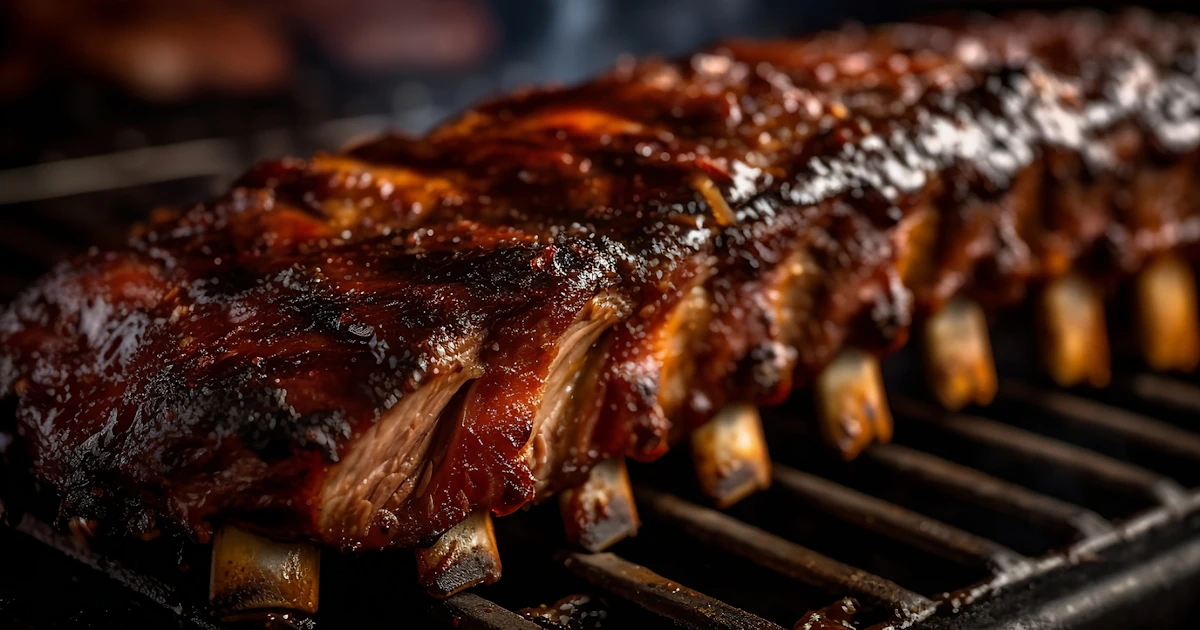
Ribs are a barbecue favorite, and the leftover bones are exactly what a dog would love to carry off. The answer is no. Cooked rib bones, whether pork, beef or barbecue ribs, can splinter and cause choking, mouth injuries, blockages or tears in the stomach and intestines.
Quick answer: No. Cooked rib bones, whether pork, beef or barbecue ribs, can splinter and cause choking, mouth injuries, blockages or tears in the stomach and intestines. The sauce, salt and fat are also a problem. If your dog swallowed a rib bone, call your vet right away, even if your dog seems fine.
On this page
A plate of ribs at a barbecue is hard for a dog to resist, and the bones are what make this a real emergency risk and not just a stomach upset.
This guide explains why rib bones are dangerous, what signs to watch for, and what to do if your dog got one.
Can dogs eat ribs?
Cooked bones become brittle and can break into sharp pieces when a dog chews them. Rib bones are small and splinter easily, which makes them one of the more dangerous bones for dogs.
Even if your dog seems to chew them without trouble, a sharp piece can cut the mouth or throat, get stuck in the esophagus, or pass further and injure the stomach or intestines.
The meat on ribs is usually coated in sauce, salt, sugar and seasonings such as onion and garlic. Pork ribs are also fatty, which can trigger stomach upset or pancreatitis.
Dogs differ in how they chew, and a dog that gulps may swallow a large piece whole. That is why vets generally advise against giving cooked bones of any kind, even when a dog has eaten them before without a problem.
If your dog is a determined chewer, ask your vet about a chew that suits its size and teeth. Many suitable options exist, and none of them carry the splintering risk of cooked bones.
Risks to know
These are the main problems with ribs:
- Splintered bones that can cut the mouth, throat or digestive tract.
- Choking or a bone lodged in the throat or esophagus.
- Blockage in the stomach or intestines, which can need surgery.
- Constipation or a bone fragment that is hard to pass.
- Fat and grease, which can cause stomach upset or pancreatitis.
- Sauce, salt and seasonings, which often include onion, garlic and sugar.
Ribs forms compared
| Form | Safe? | Notes |
|---|---|---|
| Cooked rib bones (pork, beef, lamb) | No | Brittle and prone to splintering. |
| Barbecue or sauced ribs | No | Sauce adds sugar, salt and seasonings. |
| Smoked ribs | No | Bones are still brittle and the meat is salty. |
| Boneless rib meat, plain | Small amounts | Remove all fat and gristle first, and serve plain. |
| Raw rib bones | Ask your vet | Some owners feed raw bones, but they still carry risks. Ask your vet. |
| Rib fat and trimmings | No | High in fat. |
Why cooked rib bones are the worst
PetMD says cooked bones are more likely to splinter than raw ones, possibly causing a life-threatening condition called peritonitis, and that cooking does not remove the risks of choking, blockage or perforation. The AKC’s chief vet warns never to give cooked bones of any kind, because they splinter into shards that damage the mouth, throat or intestines. Hepper says splintered fragments can perforate the gut lining and cause septic peritonitis.
Beef ribs vs pork ribs vs raw
Hepper says beef bones are less likely to splinter than those of smaller animals but the risk remains, especially for big dogs with strong jaws, and that pork ribs splinter too easily to recommend. PetMD says pork and beef rib bones are both off the menu, and that raw pork bones add a salmonella risk. Hepper’s pork guide says raw pork leg bones are relatively low risk with supervision, which is more permissive than PetMD, whose bone guidance says no bones at all.
The fat and gristle on the ends
PetMD says nibbling the fatty tissue left on rib ends can also cause problems, including pancreatitis. The AKC says pork is rich in a type of fat that is difficult for dogs to digest and can lead to indigestion and inflammation of the pancreas. Even a boneless rib trimming is therefore not a free treat.
Barbecue sauce and rubs
The AKC says rubs containing onion powder, garlic powder or nutmeg are extremely dangerous, and that barbecue sauce is high in salt and sugar and often has garlic and onion. Hepper agrees that barbecue sauce ingredients can be toxic. Ribs are almost always coated in one or both, so plain-cooked rib meat is the only version worth thinking about.
Raw pork and trichinosis
The AKC says raw or undercooked pork is unsafe for dogs and people because of the parasite Trichinella spiralis, which causes trichinosis. Hepper says this is more common in humans but dogs can still develop vomiting, diarrhea, fever and muscle pain. Cook pork fully if any is shared.
Disposing of rib bones safely
VCA and Chewy both advise putting leftover bones into a secured garbage can with a lid out of the dog’s reach, because ribs are dangerous both before and after the meal. Hepper notes that the smell of leftover meat on the bones attracts dogs, so a counter or open bin is not enough.
FAQ
Are cooked pork ribs safe for dogs?
No. Cooked rib bones can splinter and the meat is usually fatty and seasoned.
Can dogs eat beef ribs?
Cooked beef rib bones are also not safe. Large beef bones can break teeth, and cooked bone can splinter.
My dog swallowed a rib bone. What should I do?
Call your vet right away. Do not make your dog vomit unless a vet tells you to, since a sharp bone can cause more damage coming back up.
What are the signs of a problem after eating a bone?
Vomiting, gagging, drooling, trouble swallowing, a swollen or painful belly, loss of appetite, straining to pass stool, or blood in vomit or stool. See a vet promptly if you notice any of them.
Can dogs have a bit of rib meat?
A small piece of plain, boneless meat with the fat removed is less risky, but sauce and seasoning make most rib meat a poor choice.
Are there safer things to chew?
Ask your vet. They can suggest chew toys and treats that suit your dog’s size and chewing style.
Can a dog pass a rib bone on its own?
Sometimes, but there is no way to know at home. A sharp fragment can injure the gut as it moves, so call your vet for advice instead of waiting.
Can dogs eat rib bones if they are smoked or slow cooked?
No. Slow cooking can make bones soft in some cases, but they can still splinter, and smoked ribs are salty and seasoned.
Can dogs eat boneless ribs?
The AKC says plain, cooked pork is safe without bones and seasoning, but ribs are usually coated in sauce or rub, so check what is on them.
Are raw rib bones safer than cooked?
PetMD says cooked bones are more likely to splinter, but raw bones can too and carry bacteria such as salmonella.
Can dogs eat beef rib bones?
PetMD says no, because the risk of serious injury outweighs any benefit even though they are larger.
Can dogs eat barbecue sauce on ribs?
The AKC says to avoid food cooked in barbecue sauce, because it is high in salt and sugar and often contains garlic and onion.
Bottom line
Cooked rib bones are dangerous for dogs and are best kept completely out of reach. If your dog swallowed one, call your vet right away rather than waiting for signs.
I’m not a veterinarian. This article is general information and does not replace advice from your vet, especially for dogs with diabetes or digestive problems.
Related guides
References
- American Kennel Club (AKC), can dogs eat bones
- FDA, danger of bones for dogs
- PetMD, can dogs eat rib bones
- Merck Veterinary Manual, esophageal foreign bodies in dogs
- PetMD, Can Dogs Eat Rib Bones? (splintering, fat)
- PetMD, Can Dogs Eat Bones? (pork and raw bones)
- Hepper, My Dog Ate a Rib Bone (septic peritonitis, beef bones)
- Hepper, Can Dogs Eat Pork Bones & Ribs? (raw pork leg bones)
- AKC, Can Dogs Eat Pork? (barbecue sauce, trichinosis)
- AKC, Hazardous Cookout Foods for Dogs (cooked bones)
- VCA Hospitals, BBQ season safety tips (bones)
- Chewy, Summer BBQ Dangerous Foods for Dogs (ribs)