Can Dogs Eat Olives? Pits, Salt & Safe Amounts (2026)
Last updated: November 25, 2026
Veterinary reviewed by Dr Zahid Iqbal, DVM, MRCVS and Dr Fatih Bozbay, Veterinarian.
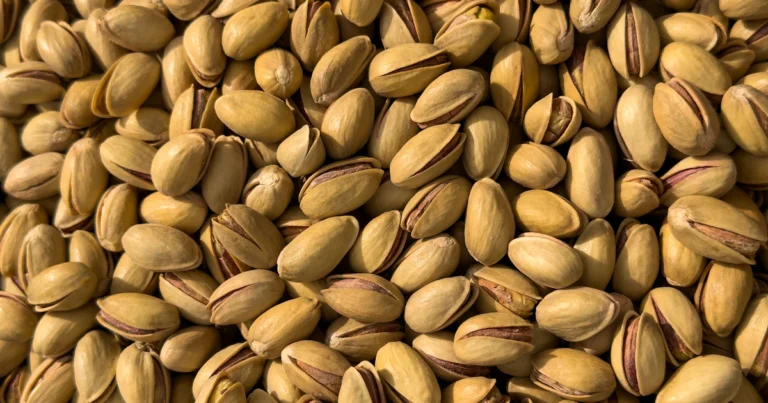
Photo by Rezeda Ishmet on Unsplash
Olives are a common snack on boards and in salads, and a dropped one rolls easily toward a dog. Plain olives are not toxic to dogs, and a tiny pitted olive now and then is generally fine. The problems are the pit, the salt in brine-cured and canned olives, and what the olives are stuffed or marinated with.
Below we cover the risks, how many olives a dog can eat and how different olive products compare.
Quick answer: Plain olives are not toxic to dogs, and a tiny pitted olive now and then is generally fine. The problems are the pit (choking, blockage and cracked teeth), the salt in brine-cured and canned olives, and stuffed or marinated olives with garlic, onion, cheese or hot peppers. Keep olives rare, plain and pitted.
On this page
- Can dogs have olives?
- Risks to know
- How many olives can a dog eat?
- Olive types and products compared
- FAQ
Can dogs have olives?
Yes, in tiny amounts. The American Kennel Club says plain olives can be an occasional treat, provided they are pitted and unseasoned. Olives provide healthy monounsaturated fats and a little vitamin E and iron, but dogs get everything they need from a complete diet. Olives are about 115 kcal per 100 g for canned ripe olives according to USDA data, and the fat and salt content is the reason to keep portions small.
Risks to know
- Pits: Olive pits can cause choking, break teeth or lodge in the gut. Always remove them. Many olives sold as “pitted” still hide fragments, so check.
- Salt: Most canned and jarred olives are cured in salty brine. Too much sodium can be harmful, especially for small dogs and dogs with heart or kidney disease. See bacon for the signs of salt poisoning.
- Stuffed and marinated olives: They may contain garlic, onion, blue cheese, hot peppers, anchovies or alcohol-based marinades. See garlic and onions.
- Fat: Too many can cause stomach upset and may trigger pancreatitis in sensitive dogs.
- Raw olives: Fresh olives straight from the tree are very bitter and contain compounds that irritate the mouth, and they are not cured safely. Do not feed them.
- Olive tree leaves and branches: Not a food. Do not let your dog chew them.
How many olives can a dog eat?
There is no official vet standard for olive portions. These numbers are my own conservative estimates for plain, pitted, rinsed olives, offered rarely.
Rinse brined olives under water first to remove some salt. Dogs with pancreatitis, heart disease or kidney disease should skip olives unless the vet agrees.
| Dog weight | Practical amount, rarely |
|---|---|
| Under 10 lb (4.5 kg) | 1/2 olive, chopped |
| 10 to 25 lb (4.5 to 11 kg) | 1 olive, chopped |
| 25 to 50 lb (11 to 23 kg) | 1 to 2 olives |
| 50 to 100 lb (23 to 45 kg) | 2 to 3 olives |
| Over 100 lb (45 kg) | 3 to 4 olives |
Olive types and products compared
For lower-salt crunchy snacks, try cucumbers or carrots. If you enjoy cheese platters with olives, keep in mind that both parts can be risky; see cheese for dogs.
| Type | Safe? | Notes |
|---|---|---|
| Plain pitted ripe or green olives, rinsed | Yes, in tiny amounts | Salty; rinse and keep small |
| Olives with pits | No | Choking, blockage, tooth damage |
| Garlic, onion or herb-marinated olives | No | Harmful ingredients |
| Stuffed olives (cheese, pepper, almond, anchovy) | No | Fat, salt and spicy or toxic fillings |
| Olives in oil with seasoning | No | Fat and seasonings |
| Black olives from a can, rinsed | Yes, in tiny amounts | Check the label |
| Raw olives from the tree | No | Bitter and not cured |
| Olive oil, a few drops | Small amounts | Pure fat; ask your vet if the dog has pancreatitis |
| Tapenade and olive spreads | No | Salt, garlic and other seasonings |
Pits: the real hazard
The AKC says olives themselves are not toxic but the pits can cause choking or breathing obstructions, block the airway, lodge in the intestines, or crack a tooth. Hepper makes the same point and says small breeds are most at risk of airway obstruction. PetMD says an olive or two is likely fine unless it still has a pit.
Brine and sodium
The AKC says canned or pickled olives often contain excessive sodium, which can lead to dehydration and, rarely, salt toxicosis. Hepper says even pitted olives are often preserved in a lot of salt. Chewy’s toxic foods list says too much salt can cause excessive thirst and urination and, if water is restricted, vomiting, diarrhea, tremors, fever and seizures. PetMD says black olives are very high in sodium.
Stuffed, marinated and martini olives
PetMD says stuffed, marinated or alcohol-soaked olives should never be shared, because blue cheese, garlic, onions and alcohol are all toxic to dogs. Hepper says marinated olives may contain garlic or onion and to avoid stuffed and marinated olives for that reason. The olive may be harmless, but the filling or the liquid is not.
Do sources agree on plain olives?
Mostly, with different emphasis. The AKC says plain unsalted olives can be a healthy snack. PetMD says one or two plain pitted olives should cause no harm but that olives are mostly salt and fat. Hepper says they are safe in moderation but the nutrients are easy to get elsewhere, and its barkcuterie guide lists olives among foods to leave off a dog board. A very occasional plain, pitted olive is the common ground.
Why raw olives are not an option
Hepper says fresh olives are almost inedible because of their bitterness and must be cured or fermented, which removes a bitter compound called oleuropein. That curing is also why shop olives come with salt and brine, so there is no unsalted shortcut at the supermarket.
FAQ
Are olives toxic to dogs?
No, plain olives are not toxic. The pit, salt and seasonings are the problems.
Can dogs eat black olives?
Yes, a tiny amount of plain, pitted, rinsed black olives is generally fine.
Can dogs eat green olives?
Plain, pitted green olives are okay in tiny amounts. Avoid stuffed ones.
Can dogs eat olive oil?
A few drops are generally fine, but olive oil is pure fat and can cause diarrhea or pancreatitis in sensitive dogs. Ask your vet.
What if my dog swallowed an olive pit?
A single pit often passes in a large dog, but call your vet, especially for small dogs. Watch for gagging, vomiting and a painful belly.
Can puppies eat olives?
It is better to skip them. Puppies are small and can choke on pits.
Can dogs eat olives with pimento or cheese stuffing?
PetMD says many stuffed olives contain garlic or blue cheese, which are harmful, so avoid them.
How many olives can a dog have?
PetMD says one or two plain, pitted olives are unlikely to cause harm, and too many can lead to gas, diarrhea or vomiting.
Are olives with pits dangerous?
Yes. The AKC and Hepper say pits can cause choking, airway or intestinal blockage, and tooth damage.
Can dogs eat olives from a martini?
No. PetMD says olives soaked in alcohol should never be shared with a dog.
Bottom line
A tiny piece of plain, pitted, rinsed olive is a harmless rare treat for most dogs, but the pit, brine and fillings make olives easy to get wrong. When in doubt, choose a lower-salt snack.
I’m not a veterinarian. This article is general information and does not replace advice from your vet, especially for dogs with pancreatitis, heart disease or kidney disease.
Related guides
- Can dogs eat cashews?
- Can dogs eat almonds?
- Can dogs eat peanuts?
- Can dogs eat pistachios?
- Can dogs eat pickles?
References
- American Kennel Club (AKC), can dogs eat olives
- PetMD, can dogs eat olives
- Chewy, can dogs eat olives
- Webvet, can dogs eat olives
- USDA FoodData Central, canned ripe olives nutrient data
- AKC, Can Dogs Eat Olives? (pits, sodium)
- PetMD, Can Dogs Eat Olives? (stuffed, black olives)
- Hepper, Can Dogs Eat Olives? (curing, pits, salt)
- Hepper, Can Dogs Eat Capers? (marinated olives, brine)
- Hepper, Dog Charcuterie Boards (olives)
- Chewy, What Can Dogs Not Eat? (salty foods)
Quick reference: see our Dog Food Safety Chart for a one-page list of toxic and usually safe foods for dogs.