Can Dogs Eat Chicken? Safe Prep, Bones, Raw & Amounts (2026)
Last updated: November 25, 2026
Veterinary reviewed by Dr Zahid Iqbal, DVM, MRCVS and Dr Fatih Bozbay, Veterinarian.
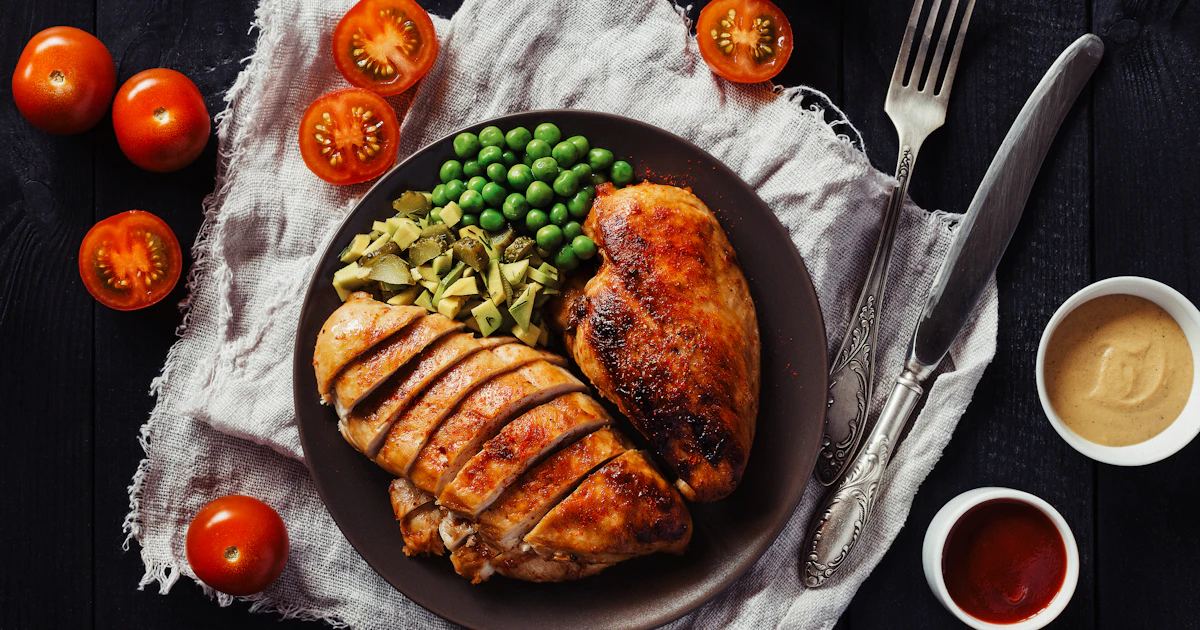
Photo by Elena Leya on Unsplash
Chicken is a food many owners are happy to share with a dog, and it is a common ingredient in dog foods. Dogs can eat chicken when it is fully cooked, plain and boneless. The skin, seasoning, sauces and especially the bones are what cause trouble.
Below you will find how much chicken a dog can have, how to prepare it and why raw chicken is not recommended.
Dog swallowed a chicken bone? Call your vet or an emergency clinic. Watch for gagging, drooling, vomiting, a painful belly, blood in stool or lethargy, and do not wait for signs if you saw a large piece go down.
Quick answer: Yes, dogs can eat chicken when it is fully cooked, plain and boneless. Skip the skin, seasoning, sauces and especially the bones. Raw chicken carries bacteria, and most vet sources advise against it.
On this page
- Is chicken safe for dogs?
- How much chicken can a dog have?
- Chicken forms compared
- Chicken bones
- Raw chicken
- Chicken allergy
- How to serve it
- FAQ
Is chicken safe for dogs?
Yes. Plain cooked chicken is a lean source of protein and is a main ingredient in many dog foods. The American Kennel Club and PetMD both say cooked chicken is fine for dogs when served plain and without bones. Cook it all the way through; a common safe target is 165°F (74°C) inside.
The problems come from how chicken is prepared. Seasonings such as garlic and onion are toxic to dogs, and skin, fat and sauces can upset the stomach or trigger pancreatitis.
How much chicken can a dog have?
As a treat, chicken should stay within about 10% of your dog’s daily calories. Plain cooked skinless chicken breast is roughly 165 kcal per 100 g. The table shows the calorie ceiling and a practical treat amount of shredded or diced meat. The practical amounts are my own conservative estimates, not a vet standard.
This table is for chicken as an extra, on top of your dog’s regular food. If you plan to replace part of a meal with chicken, ask your vet, because chicken alone is not a complete diet. Dogs also need balanced fat, calcium and other nutrients.
| Dog weight | Calorie ceiling (cooked breast) | Practical treat amount |
|---|---|---|
| 5 lb | about 12 g | about 8 g (1 tablespoon shredded) |
| 10 lb | about 21 g | about 15 g (2 tablespoons) |
| 20 lb | about 35 g | about 30 g (1 ounce) |
| 35 lb | about 54 g | about 45 g |
| 50 lb | about 70 g | about 60 g (2 ounces) |
| 75 lb | about 95 g | about 85 g (3 ounces) |
| 100 lb | about 118 g | about 110 g (4 ounces) |
Chicken forms compared
Read more about the risky seasonings: garlic and onions.
| Form | Safe? | Notes |
|---|---|---|
| Boiled, baked or poached, plain, boneless | Yes | Best option |
| Skinless breast | Yes | Leanest cut |
| Thigh or dark meat, skinless | Yes, small amounts | More fat than breast |
| Chicken skin | Better to avoid | Fatty; can upset the stomach or trigger pancreatitis |
| Fried chicken or nuggets | No | Oil, breading and salt |
| Rotisserie chicken | Only plain meat, with no skin, bones or seasoning | Usually heavily salted and seasoned |
| BBQ or sauced chicken | No | Sauces often contain sugar, onion or garlic |
| Chicken bones, cooked or raw | No | Choking and injury risk |
| Raw chicken | Not recommended | Salmonella, Campylobacter and E. coli risk |
| Chicken broth | Only plain, low-sodium and without onion or garlic | Many store broths contain onion or garlic |
| Chicken liver | Small amounts only | Rich; talk to your vet about how much |
Chicken bones
Do not give your dog chicken bones. Cooked bones turn brittle and can splinter, causing choking, mouth or throat injuries, or damage to the stomach and intestines. PetMD advises against bones of any kind, including raw ones. Some raw-feeding supporters say raw bones are safer, but they still carry a choking and bacteria risk, so talk to your vet before trying them.
If your dog has eaten a bone, call your vet. Many small pieces pass without trouble, but sharp pieces and large amounts can need urgent care. Do not try to make your dog vomit unless a vet tells you to.
Raw chicken
Raw chicken can carry Salmonella, Campylobacter and E. coli. Dogs get sick from these less often than people, but they can, and they can also pass bacteria to the household. Puppies, seniors and dogs with weak immune systems are at higher risk. Most vet sources recommend cooked chicken instead. If you are interested in a raw diet, discuss a nutritionally balanced, safely handled option with your vet.
Wash hands, bowls and surfaces after handling raw chicken, whether it is for you or your dog.
Chicken allergy
Chicken is one of the proteins dogs are often reported to react to, simply because it is so common in dog foods and treats. Signs of a food allergy include itchy skin, paw licking, ear infections, and loose stool or vomiting. These signs also have many other causes, so see your vet for a proper diagnosis rather than guessing.
How to serve chicken to your dog
- Use plain, boneless, skinless chicken.
- Boil or bake it thoroughly with no salt, oil, garlic, onion or seasoning.
- Remove every bone. Cooked chicken bones splinter easily.
- Shred or dice the meat, let it cool, and offer it as a treat or meal topper.
The first time, give only one or two small pieces of chicken and watch for vomiting or loose stools over the next day before offering more.
FAQ
Can dogs eat chicken every day?
Plain cooked chicken is a common food, and it is fine as part of a balanced diet planned with your vet. As an extra on top of regular food, keep portions within the treat limit above.
Can dogs eat chicken and rice?
Plain boiled chicken with white rice is often used as a short bland diet for a mild upset stomach, but it is not complete nutrition, and you should call your vet if signs last more than a day or two. See can dogs eat rice.
Can dogs eat rotisserie chicken?
Only the plain meat with the skin, bones and seasoning removed. Store-bought rotisserie chicken is usually salty and seasoned.
Can dogs eat chicken skin?
It is better to avoid it. Skin is high in fat and can upset the stomach or trigger pancreatitis in some dogs.
Can puppies eat chicken?
Small amounts of plain cooked chicken are generally fine, but puppies need balanced puppy food. Ask your vet if you are unsure.
Bottom line
Plain, fully cooked, boneless and skinless chicken is a safe, lean treat for most dogs. Leave out the bones, skin, seasoning and sauces, avoid raw chicken, and talk to your vet before using chicken as a large part of a meal.
I’m not a veterinarian. This article is general information and does not replace advice from your vet, especially for puppies, seniors and dogs with allergies or pancreatitis.
Related guides
- Can dogs eat lamb?
- Can dogs eat sardines?
- Can dogs eat beef?
- Can dogs eat turkey?
- Can dogs eat steak?
- Can dogs eat bones?
- Can dogs eat duck?
References
- PetMD, can dogs eat chicken
- PetMD, can dogs eat bones
- American Kennel Club (AKC), can dogs eat chicken
- Rover, can dogs eat chicken
- USDA FoodData Central, cooked chicken breast nutrient data