Can Dogs Eat Sugar? Plain Sugar vs Xylitol
Last updated: November 25, 2026 · Sources are listed at the bottom. How we research
Veterinary reviewed by Dr Zahid Iqbal, DVM, MRCVS and Dr Fatih Bozbay, Veterinarian.
A spilled spoonful of sugar or a bite of a sweet treat is not a poisoning event for most dogs. Plain sugar is not toxic, but it has no nutritional value and can upset the stomach.
The more serious problem hides in sugar-free products, so this guide also explains the real danger, xylitol, and what to do if your dog got into something sweet.
Quick answer: Plain sugar is not toxic to dogs, but it has no nutritional value, and a sugary treat can cause an upset stomach, gas, vomiting or diarrhea. The serious danger is not sugar itself but xylitol, a sweetener in sugar-free gum, candy, baked goods and some peanut butters that is highly toxic to dogs. If your dog ate anything sugar-free, call your vet or a poison line immediately.
- Not toxic: a small amount of plain table sugar, usually just a stomach upset
- Avoid: candy, sweets, sugary drinks and baked goods
- Dangerous: anything containing xylitol, chocolate, raisins or nutmeg
- Call a vet: any sugar-free product, or a large amount of sugar, especially in small or diabetic dogs
Is plain sugar bad for dogs?
PetMD says plain sugar is not the same as a poison, but a dog that eats sugar or a sugary treat can get an upset stomach, gas, bloating, vomiting and diarrhea, sometimes explosive or bloody, depending on how much was eaten. Over time, regular sweets add calories without nutrition, which is a poor fit for dogs that are overweight or at risk of diabetes.
Natural sugar in a piece of fruit is a different matter, because fruit also provides fiber and water. Even so, a sweet fruit such as banana should be an occasional small treat.
The real danger: xylitol
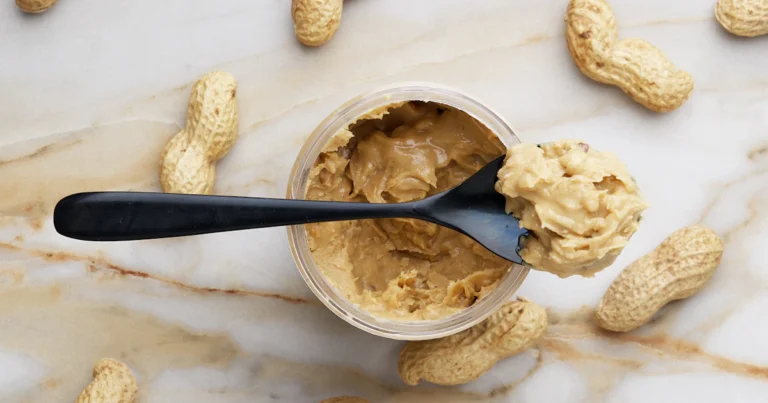
Xylitol is a sugar alcohol used in sugar-free gum, candy, baked goods and some peanut butters. The FDA explains that dogs absorb xylitol quickly, and it can cause a strong release of insulin. The AKC says xylitol can damage a dog’s liver, and signs can start in as little as 30 minutes to an hour. Low blood sugar (hypoglycemia) is the most common sign and can cause weakness, collapse and seizures.
A product does not have to say sugar-free to contain xylitol: the AKC notes it now turns up in more products, including some that are not labelled sugar-free. Read the full ingredient list, and see our guide Is xylitol toxic to dogs?
Candy, sweets and other sugary foods
PetMD says dogs should never be given candy or lollipops, and not only because of the sugar: candy can also contain xylitol, chocolate, raisins or nutmeg. Hard candies can be a choking risk. Sweets like marshmallows are mostly sugar, and sugar-free versions may contain xylitol.
Dogs with diabetes or weight problems
If your dog has diabetes, ask your vet before giving any treat. Webvet notes that current diabetes guidance counts daily treats and snacks in the dog’s calorie plan, and that sugar-free does not automatically mean safe. Keeping feeding times and portions consistent matters more than any one snack.
My dog ate sugar. What now?
- Check the packet. If it contains xylitol, treat it as an emergency and call your vet or Pet Poison Helpline (855-764-7661) at once.
- If it was plain sugar, watch for vomiting, diarrhea and bloating and keep fresh water available.
- Call your vet if your dog is small, ate a large amount, has diabetes, or the product also contained chocolate, raisins or nutmeg.
Frequently asked questions
Can dogs eat a little sugar?
A small taste of plain sugar is unlikely to be toxic, but it gives no benefit and can upset the stomach. It is better to skip sugar altogether.
Is sugar-free candy safe for dogs?
No. Sugar-free candy and gum often contain xylitol, which is highly toxic to dogs even in small amounts.
Can sugar give dogs diabetes?
Eating sugar does not directly cause diabetes, but sweets add calories that can lead to weight gain, which is a risk factor. Ask your vet about your own dog.
How soon do xylitol signs appear?
The AKC says signs can develop in as little as 30 minutes to an hour after ingestion.
Can dogs eat honey or syrup?
They are not toxic, but they are mostly sugar. Treat them like any other sweet food: rarely, and in tiny amounts.
What sweets are safe for dogs?
Dogs do not need sweets. Small pieces of dog-safe fruit or a vet-approved treat are better choices.
The bottom line
A taste of plain sugar will usually only upset a dog’s stomach, but sugar is a poor treat. Keep anything sugar-free, especially gum, candy and baked goods, well out of reach because of xylitol, and call your vet quickly if your dog gets into any of it.
This article is general information and does not replace advice from your own veterinarian. I am not a veterinarian. See our disclaimer.
Related guides
References
- PetMD: Can Dogs Eat Sugar? www.petmd.com (symptoms, candy ingredients)
- FDA: Paws Off Xylitol; It’s Dangerous for Dogs www.fda.gov (xylitol absorption and insulin release)
- American Kennel Club: What to Do if Your Dog Ate Candy www.akc.org (xylitol liver damage, 30 to 60 minutes)
- American Kennel Club: What to Do if Your Dog Accidentally Eats Gum www.akc.org (xylitol in gum, baked goods, peanut butter)
- Webvet: Diabetic Dog Treats www.webvet.com (treats counted in the calorie plan)